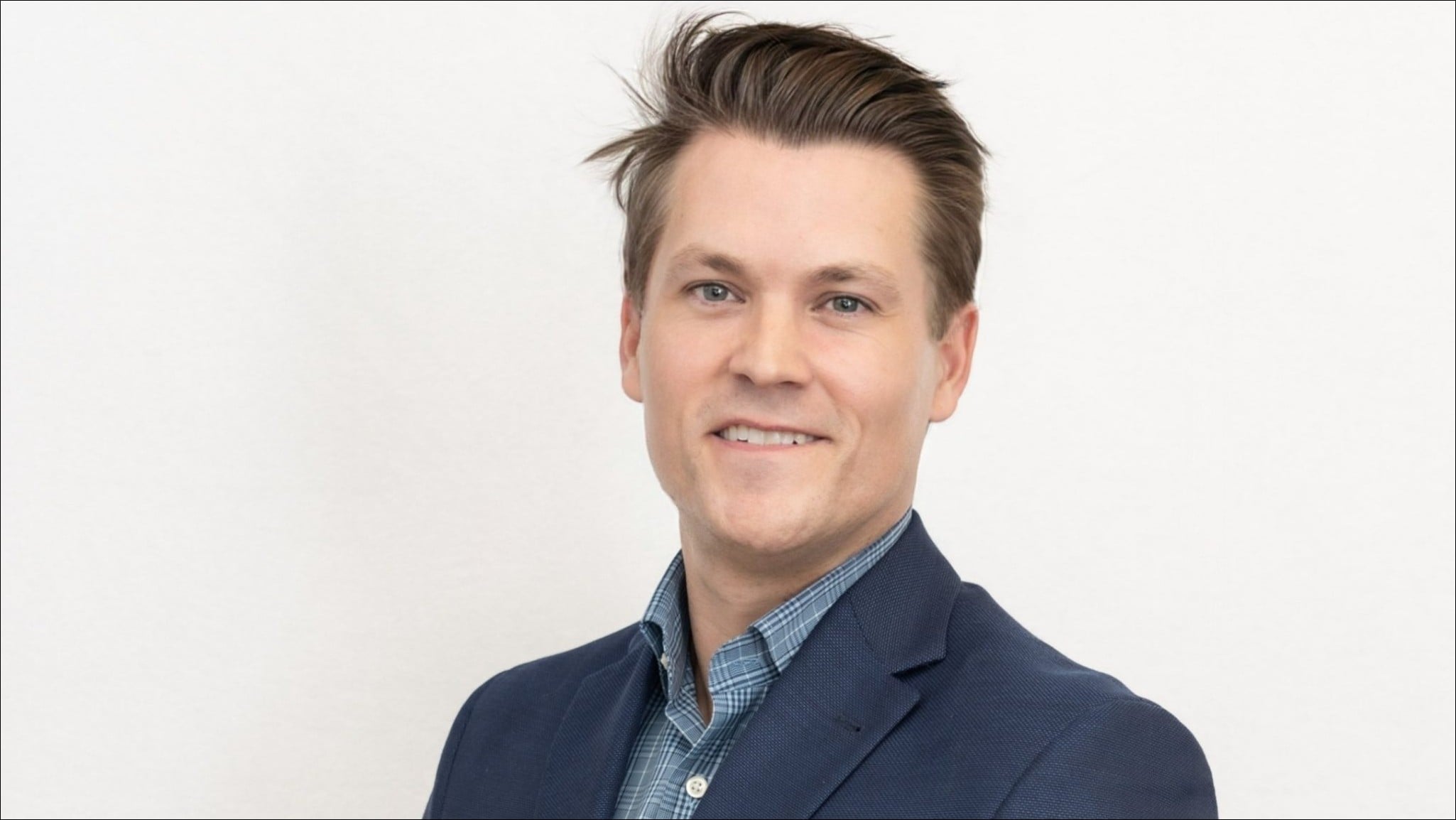
2026 Multifamily Leadership Series: Nicholas Matus, BCE
The focus is on multifamily for the fourth year of Connect CRE’s annual Leadership Series. We invited 18 apartment heavyweights to provide their unfiltered views of the current market, its challenges and opportunities. The insights of these power players have been collected in a downloadable report, and we’re also presenting them individually, in alphabetical order. Here are insights from Nicholas Matus, President and Chief Operating Officer, BCE.
Are the markets and products you’re investing in and developing changing?
Yes. The market has changed meaningfully, and I believe that is a healthy reset. The last cycle rewarded cheap capital, cap rate compression, and aggressive growth assumptions. This cycle is going to reward discipline, basis, operations, and asset selection. At BCE, we are focused on multifamily housing that serves a durable renter base, particularly in markets where the cost of homeownership remains structurally out of reach for many households. We are not trying to manufacture returns through speculation. We are focused on buying well, financing prudently, operating effectively, and protecting downside. In many ways, the market has shifted back toward the fundamentals we have always believed in.
Has the debt market changed compared to a year ago, and if so, how?
Yes. The debt market is more constructive than it was a year ago, but it remains selective. There is more liquidity, lenders are more engaged, and the market feels more functional than it did during the most uncertain part of the rate cycle. That said, proceeds are still constrained by higher rates, debt-service coverage requirements, and more conservative valuations. The biggest change is that lenders are willing to lean in again, but they are doing so with real discipline. Strong sponsorship, realistic underwriting, durable cash flow, and thoughtful leverage matter more than ever. For us, the focus remains on liquidity, maturity management, fixed-rate protection where appropriate, and maintaining flexibility.
Absorption has increased this year. Is that due to a slowdown in development or other factors?
It is a combination of both healthier demand and a slowing supply pipeline. Renter demand has remained more resilient than many expected, supported by household formation, wage growth, and the continued affordability gap between renting and owning. At the same time, the development pipeline is clearly thinning after several years of elevated deliveries in many Sun Belt and Western markets. That new supply created concessions and rent pressure, but it was not a permanent demand problem. It was largely a timing imbalance. As deliveries slow and existing lease-ups stabilize, the market should become more balanced. I would describe this year as the beginning of normalization, not a return to excess.
Will we see an increase or decrease in rent prices this year?
I expect moderate rent growth overall, with significant variation by market, submarket, and asset quality. Markets still working through recent deliveries will remain competitive, and concessions may continue in certain pockets. Supply-constrained markets should perform better. For us, the priority is not simply pushing rents. It is maximizing sustainable revenue through occupancy, retention, resident experience, and disciplined expense control. The best operators will create value through execution, not just market movement. Over time, as supply declines and demand remains intact, rent growth should improve. But I would expect the recovery to be measured, market-specific, and tied closely to local employment, supply, and affordability.
Have other development costs moderated?
Some costs have moderated at the margin, but the overall cost environment remains challenging. Materials, labor, insurance, taxes, utilities, and financing costs are all meaningfully higher than they were several years ago. What has changed is market psychology. Sellers, lenders, contractors, and capital partners are becoming more realistic about the current cost of capital and the returns required to justify risk. From BCE’s perspective, the answer is not to rely on costs falling. The answer is to buy at the right basis, underwrite expenses honestly, maintain discipline in the capital structure, and create value through operations. In this environment, execution and judgment matter more than optimism.
Give your young self some advice.
I would tell my younger self to be patient, stay curious, and focus on building judgment, relationships, and reputation. Early in your career, it is easy to believe progress needs to happen quickly. But the most meaningful opportunities usually come from doing the right things consistently over a long period of time. I would also tell myself to seek out great mentors, listen more carefully, and take responsibility before feeling fully ready. Careers are built through trust. The people who compound over time are not always the loudest in the room. They are the ones who keep learning, keep showing up, and become the person others can count on.
Benedict Canyon Equities (BCE) is a private real estate investment firm with more than 20 years of experience acquiring and managing value-add and workforce housing in high-growth markets, focused on institutional-quality operations and strong risk-adjusted returns for its private investors.
Click here to read the series.
2026 PDF DownloadRelated Leadership Stories