



California CRE News In Your Inbox.
Sign up for Connect emails to stay informed with CRE stories that are 150 words or less.


What California’s New Balcony Law Means for Apartment Owners
.connect-button a, .connect-button a:link, .connect-button a:visited { padding: 3px 8px !important;}
By Dennis Kaiser
California multifamily property owners must now inspect the decks, balconies, stairs and other load-bearing structures as a result of a new state law, Senate Bill 721, along with an accompanying Health and Safety Code 17973. The new law was placed into effect for apartment buildings with three or more units, and requires subsequent inspections at least once every six years.
While some local governments already impose a local inspection program, this California law requires inspection of specific balconies throughout California. The new law was spurred by a balcony collapse in 2015 in Berkeley, CA in which six students were killed and seven were injured.
Mike Rovner, president of Mike Rovner Construction, says, “Although owners have until January 1, 2025, to complete the first inspection, savvy owners know proactive measures can save both time and money, while perhaps saving lives. Many apartment property owners have already initiated the process because they understand it will be a complex endeavor since they’re now required to inspect both the exterior elevated structures themselves, as well as associated waterproofing elements, such as flashings, membranes, coatings, and sealants.”
The types of exterior elevated element structures include their supports and railings: balconies, decks, porches, stairways, walkways, and entry structures that extend beyond exterior walls of the building and which have a walking surface that is elevated more than six feet above ground level, are designed for human occupancy or use, and rely in whole or in substantial part on wood or wood-based products for structural support or stability of the exterior elevated element.
The first step is to get an inspection completed by a building contractor with Contractors’ State License Board license classifications A, B, or C-5, with a minimum of five years’ experience in constructing multistory wood frame buildings; a licensed architect; a licensed civil or structural engineer; or by a certified building inspector or building official from a recognized state, national, or international association, as determined by the local jurisdiction.
“The key to making sure this process progresses smoothly is to start earlier rather than later, so any work needing to be performed can get scheduled,” says Rovner. “In today’s tight labor market, without a licensed contractor who can assemble the necessary workers, owners may find themselves in a bind if they wait until the deadline to get started.”
Once the inspection is completed, the building owner must receive a copy of the inspection report within 45 days. Copies of those reports must be maintained in the building owner’s records for two inspection cycles.
Rovner says, “Inspectors will be looking at each exterior elevated element or associated waterproofing elements to find any defective, decayed, or deteriorated part that does not meet its load requirements, and would, in the opinion of the inspector, constitute a threat to the health or safety of the occupants. The assessments can be done by direct visual examination or comparable means of evaluating element performance. A sample of at least 15% of each type of exterior elevated element shall be inspected.”
The report must include photographs, any test results, and an explanation that will establish a baseline condition of the components inspected so that it can be compared to the results of subsequent inspections.
An exterior elevated element found by the inspector that is in need of repair or replacement must be corrected by the owner of the building. Although, the recommended repairs can’t be performed by the licensed contractor that served as the inspector of that building, notes Rovner. The process will also entail securing necessary permits from local jurisdictions, and work must be performed by a qualified and licensed contractor. A permit for the repairs must be applied for within 120 days of receipt of the inspection report, and the owner has 120 days more to complete the repairs.
In the event that an inspection reveals conditions that pose an immediate hazard to the safety of the occupants, the owner of the building must receive an inspection report within 15 days. In such cases, emergency preventive measures must be performed “immediately,” and the local enforcement agency must be notified as well, points out Rovner. Local enforcement agencies are allowed to recover enforcement costs associated with these requirements.
The local enforcement agency must also send a 30-day corrective notice to the owner of the building if repairs are not completed on time. Civil penalties and liens against the property could be assessed to owners of buildings that fail to comply with these provisions.
“Apartment owners who strive to operate their properties at optimal performance understand that any downtime when units are not leased costs them,” says Rovner. “That’s why planning ahead in partnership with an experienced apartment renovation contractor can head off any issues that may arise as a result of this new balcony inspection law in California.”
For comments, questions or concerns, please contact Dennis Kaiser

Apartment buildings for sale
Check out the latest properties available on apartmentbuildings.com
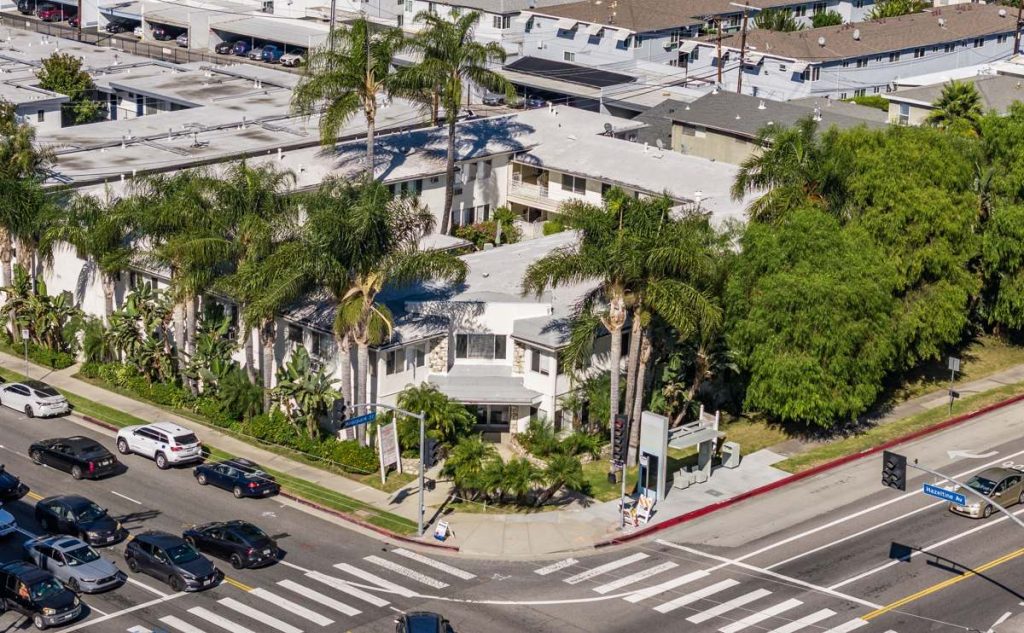
SFR Investment Property Forest Grove OR | 1270 Pacific Ave. 97116
Los Angeles, CACalifornia & West + Apartment Buildings
Learn MoreListing Status: Available Price: $7,490,000 No. of Units: 30 Cap Rate: 5.13 GRM/GIM: 11.39 Year Built: 1956 Building Size: 20182 Sq ft Lot Size: 0.55 Acres Opportunity Zone: No Price per unit: $249,666 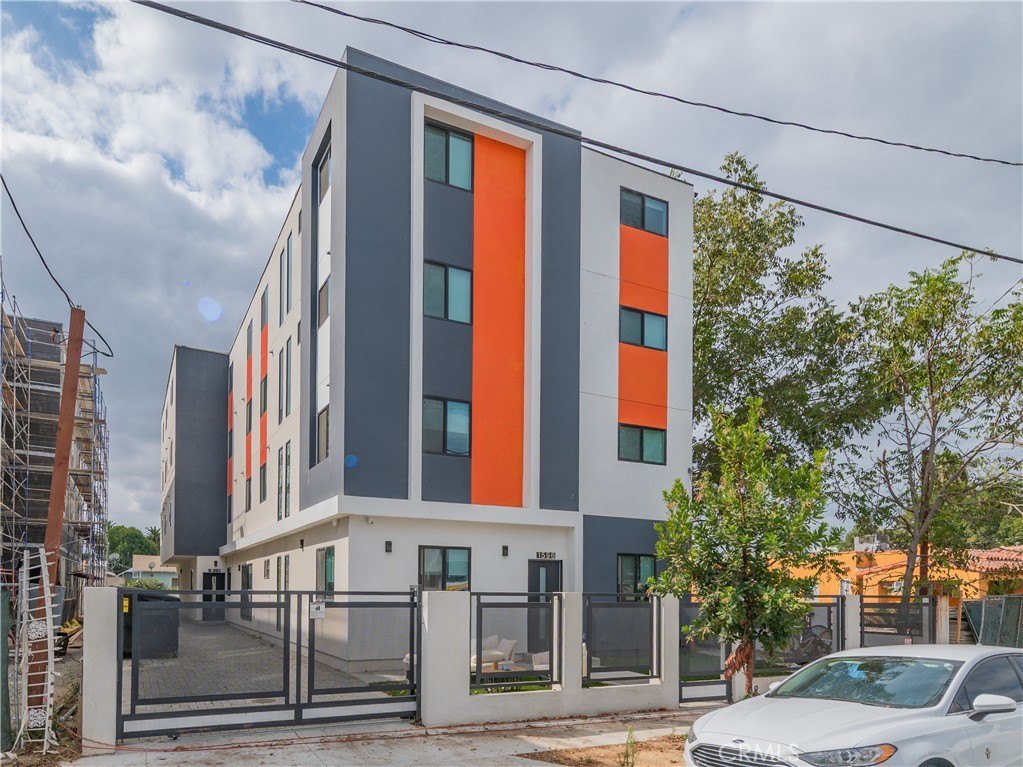
1598 W 36th
Los Angeles, CACalifornia & West + Apartment Buildings
Learn MoreListing Status: Available Listing Type: Call for offers Price: $6,500,000 No. of Units: 45 Year Built: 2025 Opportunity Zone: No Price per unit: $144,444


