



National CRE News In Your Inbox.
Sign up for Connect emails to stay informed with CRE stories that are 150 words or less.


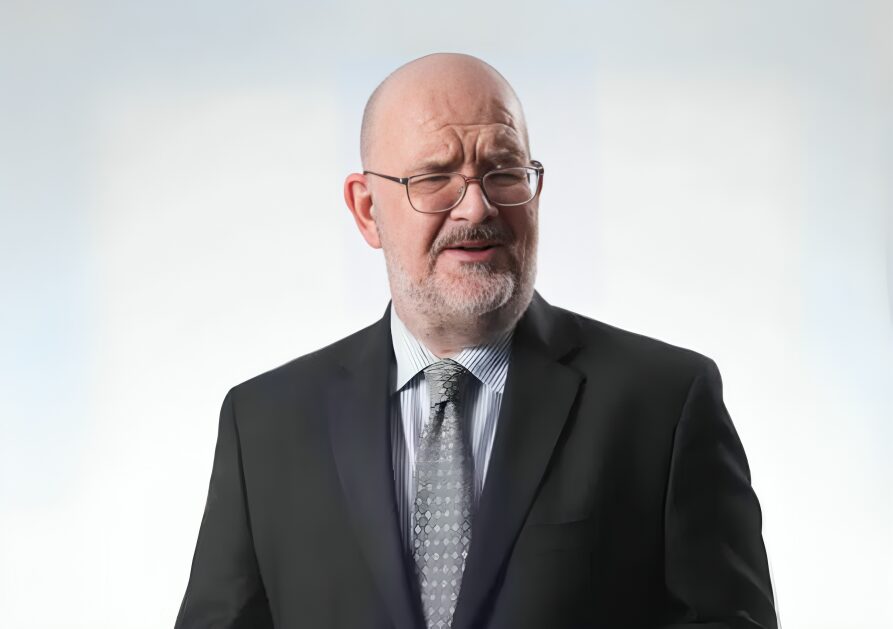
Walker Webcast: David Ignatius Calls U.S. Foreign Policy’s Hits and Misses
From Ronald Reagan—whose foreign policy was “a continuing education”—to the present day, David Ignatius has had a front-row seat as each U.S. President has shaped and defined this country’s role on the global stage, or attempted to do so. This week’s guest on the weekly Walker & Dunlop webcast series, the foreign affairs columnist at the Washington Post has seen Reagan’s successors score a few home runs and several strikeouts.
In a one-on-one discussion with Walker & Dunlop CEO Willy Walker, Ignatius assessed the foreign policy strengths and weaknesses of each President over his tenure at the Post, along with the highest-profile global issues facing the U.S. at present.
Arguably the highlight of American foreign policy as chronicled by Ignatius was the path taken by President George H.W. Bush and his national security advisor, Brent Scowcroft, that culminated in the end of the Cold War and the collapse of the Soviet Union. “I’m not sure I’ve seen a more masterful piece of foreign policy craftsmanship,” Ignatius said on Wednesday’s webcast.
As for the incumbent chief executive, Ignatius said, “This President is better at writing headlines than he is at filling in the details below.” While President Donald Trump was right to call for a tougher stance toward China, said Ignatius, “It’s very hard to see a clear strategy from the Trump administration” on U.S.-Chinese relations.
Regarding the Middle East, Ignatius said the newly-forged agreement between Israel and the United Arab Emirates to begin normalizing relations—an agreement facilitated by the U.S.—was a positive step. However, he pointed out, “It’s not a Palestinian peace plan. We’re no closer to that than we were before.”
The next President—whether it’s Joe Biden or a re-elected Trump—will need to shore up America’s standing with its allies, which has weakened in the past few years. “An urgent priority is to repair our relationships,” said Ignatius. For one thing, he added, a less ”transactional” approach to alliances such as NATO is called for.
Replays of the August 19 webcast are available by clicking here.
For comments, questions or concerns, please contact Paul Bubny


