



National CRE News In Your Inbox.
Sign up for Connect emails to stay informed with CRE stories that are 150 words or less.
Walker Webcast: R.E.M.’s “Very Gradual” Rise to Overnight Stardom
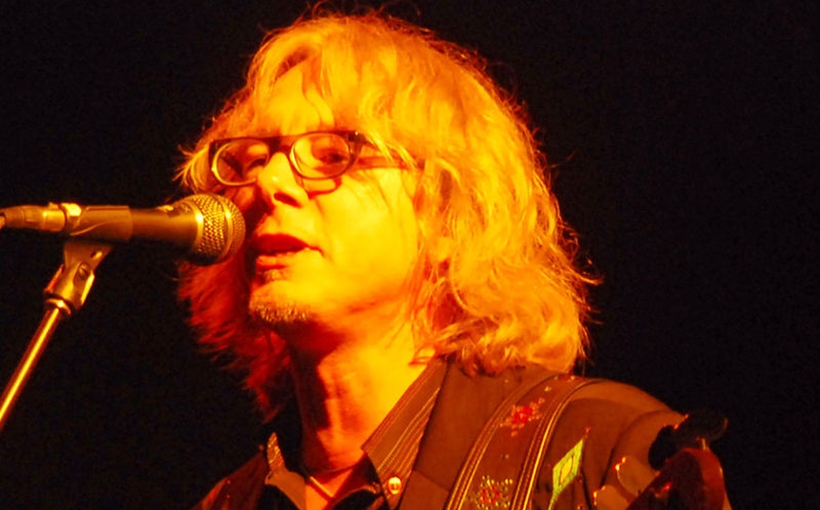
The growth trajectory that took R.E.M. from playing for pizza and beer money as undergraduates in Athens, GA to being named the world’s number one rock band is unlikely to be replicated 40 years later, bassist Mike Mills said on this week’s Walker Webcast.
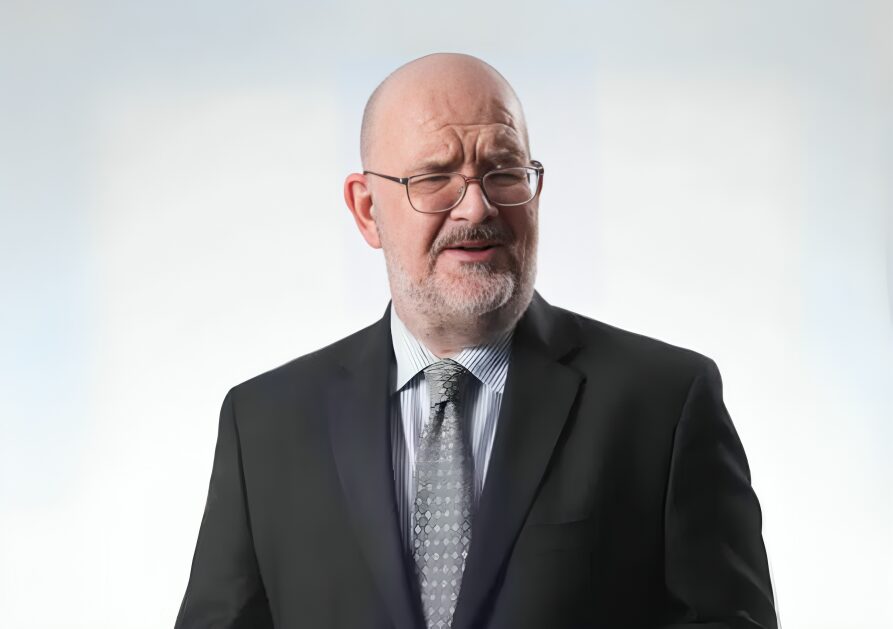
“Our rise was very gradual, in a way that probably couldn’t happen now,” Mills told Walker & Dunlop CEO Willy Walker, who first met the band while living in Paraguay at around the time “Losing My Religion” became an unlikely worldwide hit—11 years after the group formed. (Walker himself was already a devoted fan.) The band ultimately would sell around 90 million albums before amicably parting ways in 2011.
On this week’s webcast, Mills and entertainment lawyer Bertis Downs, who served as the band’s manager for many years, charted the band’s progress from both a musical and branding perspective through a very different world that predated social media and digital music-sharing services.
Coming out of the active but relatively low-profile Athens music scene of the early 1980s meant that “we were able to make the mistakes we made in a smaller area,” Mills recalled. He said those early years were a personal highlight of the group’s three-decade history.
“It was all about discovery for me,” said Mills of the ’80s. “Discovery is the most fun thing in life.”
At the same time, though, R.E.M.–Mills, guitarist Peter Buck, vocalist Michael Stipe and drummer Bill Berry—developed operating principles that contributed to both the band’s success and its longevity.
Some of those principles evolved out of Buck’s study of rock & roll history and the band’s determination to avoid making the kinds of missteps others had made. The Beatles are only the best-known example of friction eventually arising because two members got all the songwriting credit, and therefore the lion’s share of royalties. R.E.M. made the decision to share songwriting duties equally.
Another principle was the concept of “veto power,” in which the band would collectively back down from a course of action that any one of them strongly opposed. However, Downs told Walker he never actually saw this veto power being exercised.
Still another, said Downs, was focusing on the band’s core business and not diverting time, energy and money to unrelated, outside investments. That core business was, of course, making music, and making music was all that the band concentrated on and built its brand around.
At the zenith of R.E.M.’s popularity, the other heavyweight contender for the title of world’s top rock band was U2, which Walker pointed out was formed at roughly the same time and had a comparably gradual rise. Mills and Downs saw more similarities than differences in the two bands’ operational approaches.
“Our tenet was always to be honest” in a business filled with “sharks,” said Mills. In common with U2, R.E.M. also believed in treating people with respect, including the opening acts at the innumerable concerts each band has played. With similar outlooks, the two quartets bonded over the years, even forming a one-shot supergroup for Bill Clinton’s inauguration.
On-demand replays of the Sept. 29 webcast are available by clicking here and through Walker & Dunlop’s Driven by Insight podcast series.
Pictured: Mike Mills onstage in 2008. Photo credit: Andrew D. Hurley/Flickr
- ◦People


