



National CRE News In Your Inbox.
Sign up for Connect emails to stay informed with CRE stories that are 150 words or less.
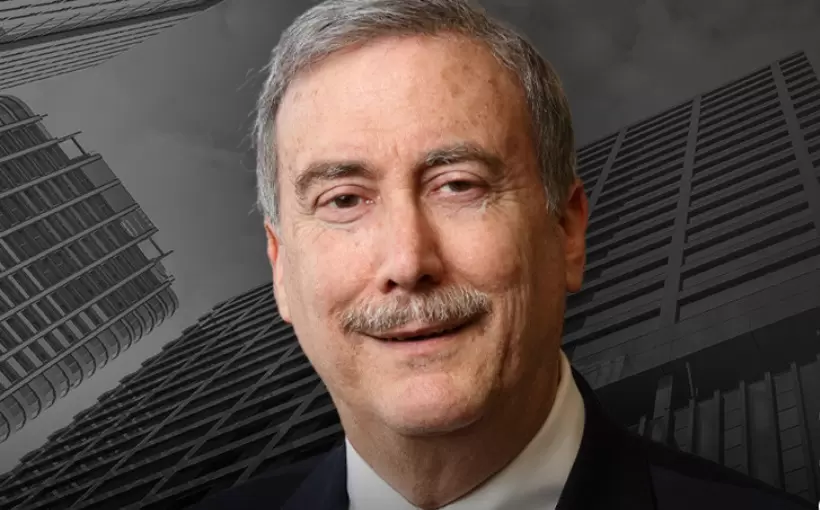
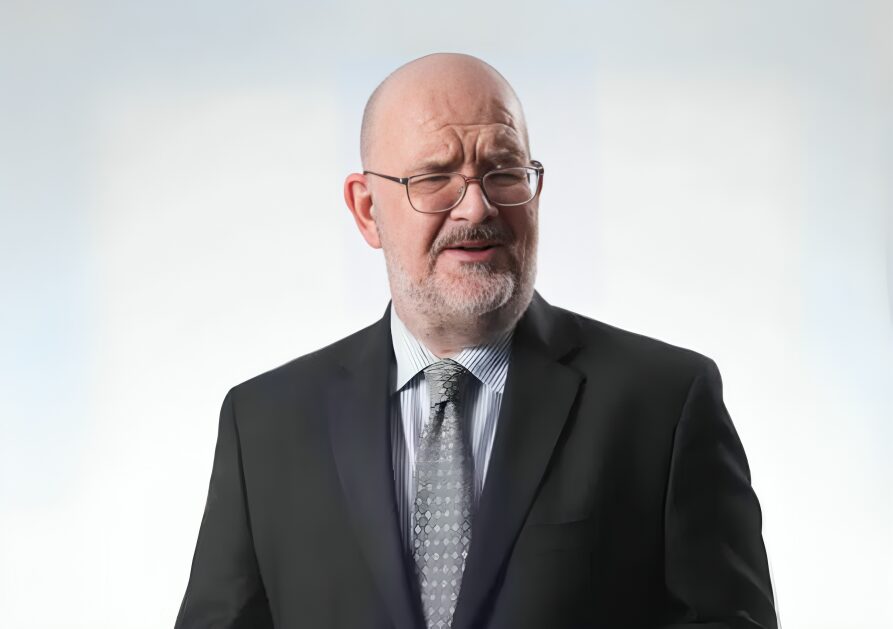
Walker Webcast: Larry Sabato on JFK’s Legacy and the Next Election
The 60th anniversary of President John F. Kennedy’s assassination occurred a few days before political analyst Larry Sabato joined Walker & Dunlop CEO Willy Walker on the Walker Webcast. Sixty years after that fateful day, Sabato said, two-thirds of Americans continue to believe that a conspiracy lay behind the assassination and that Lee Harvey Oswald did not act on his own volition.
Author of The Kennedy Half-Century: The Presidency, Assassination, and Lasting Legacy of John F. Kennedy, Sabato isn’t in that number. In poring over scores of documents related to the events of Nov. 22, 1963, he told Walker, “We actually have lots of interesting stories. We’ve learned some interesting sidelights. We have learned more about various conspiracy theories, as alleged by people who contacted the FBI and the CIA and other agencies of government. What we haven’t learned is anything that would change the basic narrative of what we know about the assassination.”
Partly because he was cut down in his prime at age 46, Kennedy’s mystique persists, even among Americans with no ties to those years. Sabato, who is Director and Founder of the Center for Politics at the University of Virginia, told Walker, “I teach a course on Kennedy almost every semester. There are about 150 students there. Needless to say, they were all born in this century. They have no living memory whatsoever of John F. Kennedy. But I’ll tell you what’s interesting. When I play tapes of some of his key speeches and press conferences, they are riveted. They pay attention to everything he’s saying.”
Conversely, when Sabato shows his students other Presidents giving talks and speeches “that were at least as important, if not more so, than what Kennedy was talking about, their eyes glaze over; they daydream. But Kennedy was riveting. He still is.”
Given that mystique, the perception of Kennedy often outshines that of Presidents who served two terms and accomplished considerably more, Walker pointed out. The perception is that Kennedy came into office with a broad mandate. In fact, as Sabato wrote in his book, he won the popular vote by a slim majority over then-Vice President Richard Nixon.
“It’s certainly true that the gauzy retrospective is not often fully accurate,” Sabato said on Wednesday’s webcast. “For example, in civil rights. Was Kennedy on the right side? Yes. Did it take him forever to get there? Yes. Could he have passed the civil rights bill that Lyndon Johnson passed? No. He had a much weaker version in there.”
The conversation also turned to the upcoming elections. Sabato is editor-in-chief of Sabato’s Crystal Ball, a nonpartisan political newsletter, and offered plenty of insights about the Presidential race as it’s currently evolving.
However, he cautioned against assuming that a Trump-Biden rematch will be on the ballot for November 2024. “We’re a year away,” Sabato said, and much can happen within that timeframe, including the ascendancy of strong third-party contenders and age-related issues with either of the current front-runners.
Should neither Biden nor Trump win the 270 electoral votes necessary to be declared the next President, what could kick in would be a provision of the Constitution that hasn’t been used since 1824. Each state’s delegation in the House of Representatives would have a single vote, a scenario that Sabato called “a nightmare. It should have been changed decades ago.”
On-demand replays of the Nov. 29 Walker Webcast are available through the Walker Webcast channels on YouTube, Spotify and Apple.
- ◦Economy
- ◦Policy/Gov't

