



National CRE News In Your Inbox.
Sign up for Connect emails to stay informed with CRE stories that are 150 words or less.


Walker & Dunlop’s David Strange Talks FHA Financing for Multifamily
With many lending groups pulling back on their commercial real estate lending activity, HUD/FHA financing looks like an increasingly attractive option for borrowers—for reasons that go beyond the fact that it may be the only game in town. Connect CRE spoke with David Strange, senior managing director with Walker & Dunlop, on what he’s seeing and what borrowers can expect.
Q: Talk about some of the different options that are available to borrowers through FHA programs.
A: FHA lending is primarily two asset classes, multifamily and senior housing, which includes assisted living, skilled nursing, and memory care. Within both of those platforms, you have construction, acquisition, refinance, and rate modification options.
Q: Have you been encouraging clients a little more often lately to use one of these different vehicles?
A: Yes. Historically, HUD’s been a countercyclical program due to one of its missions of providing capital in times when the capital markets have pulled back or pulled out. Today, we are running a lot of new construction deals through HUD’s 221(d)(4) construction/perm program for clients that historically may have considered banks, life companies, debt funds, preferred equity and mezzanine debt. The reason we’re running the (d)(4) program for those clients is because banks have taken to the sidelines, life companies have pulled back, and debt funds are expensive and low leveraged. So, they’re looking to HUD to get their deals out of the ground or to perm out their maturing construction financing.
Q: Aside from the fact that HUD financing is available when other lending vehicles might be pulling back, what other advantages can borrowers see?
A: One is that you have a long-term, fixed rate, non-recourse, fully assumable product with a predictable debt service pattern. For the refinance option, it’s a 35-year amortized term. And for the construction-perm, it’s the interest only construction period, plus a 40-year amortized term where the rate is locked prior to construction start and guaranteed through the 40-year amortization. Mortgagors also have the option to reduce the note rate through a note modification, the HUD Interest Rate Reduction (IRR) program. From ‘19 through ‘21, most of HUD’s existing portfolio either refinanced or modified.
Q: At the same time, there must be challenges in terms of qualifying for that financing. What might some of those be?
A: Timing has always been a consistent challenge. A typical refinance takes about six months compared to other debt platforms of two to four months. And the construction-perm is typically going to take up to 12 months, although it can be shortened or expanded depending heavily on the status of the plan set. During the period of heavy traffic—’19 through ‘21, when the interest rate environment was significantly lower than we’ve historically seen, and we’re seeing today—HUD’s workload was significantly increased due to the number of refinances and note modifications. At the same time, they were processing a significant number of construction deals due to the low interest rates off-setting the high construction costs.
During that time, HUD got backed up and created a queue. The queue in some offices became too big an obstruction to the development and developers opted for conventional construction debt. Today, HUD is back to operating to the programmatic levels without a queue.
Q: Turning to the D4 program, tell us how it works and why now is an especially good time to launch a project through this program.
A: The reason now is a good time, is because there are very few other options out there. HUD is first and foremost a market demand-driven program, so if there is a demand for units in the market then there is an opportunity to explore HUD. In addition to that, HUD has a three-pronged approach to going through the process, with an inverse relationship with the risk of not getting the loan done, and the cost of pursuing the transaction. Based on historical performance, and prior to any transactional costs, our team can mitigate north of 95% of the risk of not getting the loan.
The second step is understanding the market demand/supply with a market study, vetting out the Net Operating Income (NOI) and land value through an appraisal, and determining the environmental site characteristics with an environmental site assessment, These reports along with underwritten mortgagor credit and half the HUD application fee account for the Pre-Application submission. HUD has approximately two months to review and issue an HUD invitation letter or reject it. The invitation letter is an invitation to submit a complete application that include full plans, specifications and bidded, guaranteed costs.
The next step is the Firm Application submission. This entails, in addition to full plans, specs, and costs, updated appraisal and market study reports, an architectural and engineering cost review, and a Statement of Energy Design Intent report. HUD will take another couple of months to review and issue the Firm Commitment (loan). Once the Firm Commitment is received, we rate lock followed by closing about 45 days afterwards. Clients may begin construction once we close.
Q: So one reason that now is an opportune time is that when the borrower is gearing up to begin the construction project, the financing will be in place by that time.
A: Yes, today timing isn’t proving to be the hindrance as most developers are slow walking developments in anticipation of construction costs and interest rates coming in over the next 12 months.
- ◦Financing

Apartment buildings for sale
Check out the latest properties available on apartmentbuildings.com
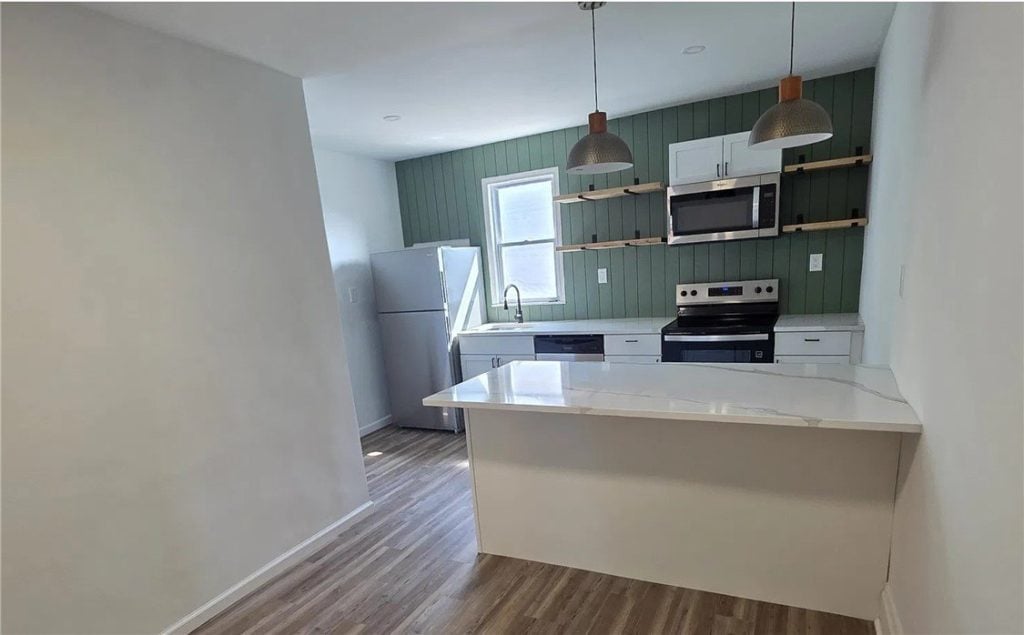
93 Beltzhoover Ave
Allentown, PANew York & Tri-State + 2-4 Units
Learn MoreListing Status: Available Listing Type: Call for offers Price: $266,500 No. of Units: 2 Year Built: 1900 Opportunity Zone: No Price per unit: $133,250 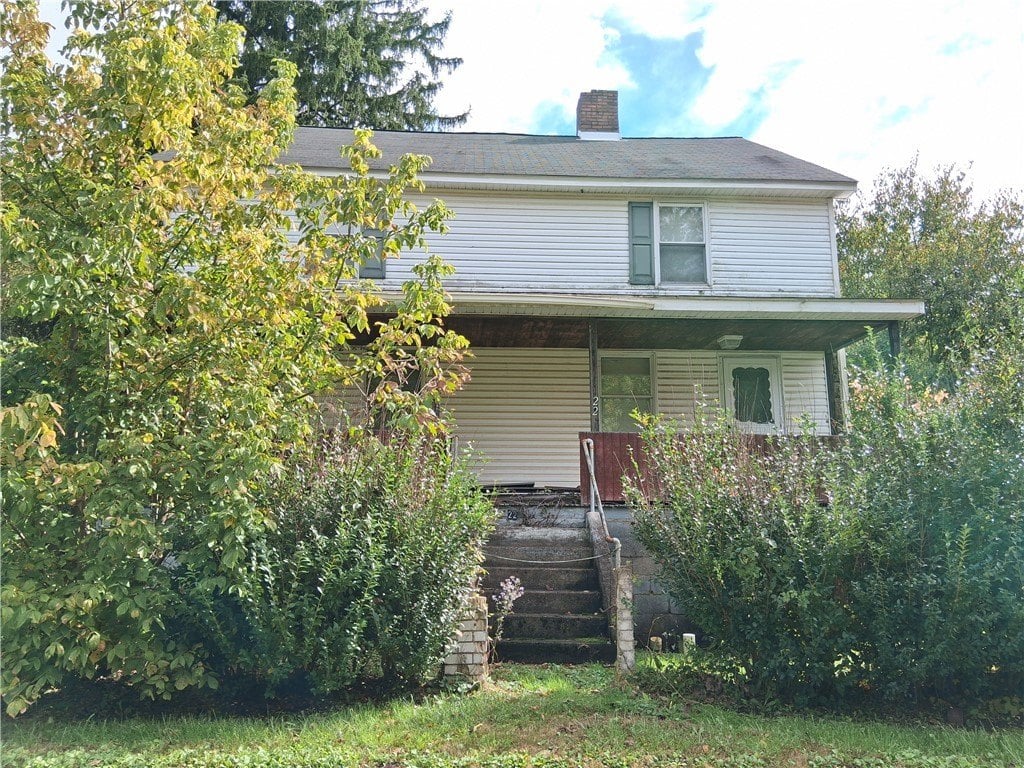
22 Verner Ave
Smith, PANew York & Tri-State + 2-4 Units
Learn MoreListing Status: Available Listing Type: Call for offers Price: $75,000 No. of Units: 2 Year Built: 1900 Opportunity Zone: No Price per unit: $37,500


