



National CRE News In Your Inbox.
Sign up for Connect emails to stay informed with CRE stories that are 150 words or less.


U.S. Multifamily Wraps Up a Strong 2019
The U.S. multifamily sector continues strong, and wrapped up a healthy 2019 with continued rent growth and robust unit absorption, according to November 2019 data released by Yardi Matrix. Though rent growth did slide slightly due to the standard seasonal downturn, it was up 3.1% year over year, while absorption stood at 320,000 units for the entire year.
Yardi Matrix’s Multifamily National Report also pointed out that the southwest and west continued exhibiting the highest rent growth, with Phoenix topping the list at a 7.5% growth from the year before. Also on top were Las Vegas (6.0%), Sacramento (5.3%) and Raleigh and Charlotte, NC, which were both at 4.6%. Cities demonstrating weaker rent growth were San Jose (0.1%), San Francisco and Houston, both which were at 1.4%. Yardi Matrix analysts pointed out that job growth and in-migration continue driving the desert Southwest, while in the southeast, “demographic tailwinds are supporting a number of markets with robust new-supply pipelines,” the analysts said.
Yardi Matrix’s outlook pointed out that, while underwriting continues tight, and the margin of error is narrow — “requiring better information to reduce uncertainty and exposing any over-leveraged deals to downside risk” — the CRE industry isn’t used to such long periods of uninterrupted success, leading “to anxiety about the other shoe dropping,” the company’s analysts wrote.
For one thing, commercial real estate is at the mercy of the broader economy, which, at this point, continues to bristle with talks of recession, waning of GDP growth and concerns over trade tensions and the accompanying impact on supply chains. The report also mentioned that corporate debt could be a factor behind the next downturn, with the slowing global economy also a potential culprit.
However, Yardi Matrix analysts pointed out that consumer confidence remains high, the labor market remains tight and wages continue to increase. Furthermore, the economy is set to expand at a 2%-plus real rate, “enough to power the real estate expansion forward,” the report noted.
For comments, questions or concerns, please contact Amy Sorter

Apartment buildings for sale
Check out the latest properties available on apartmentbuildings.com
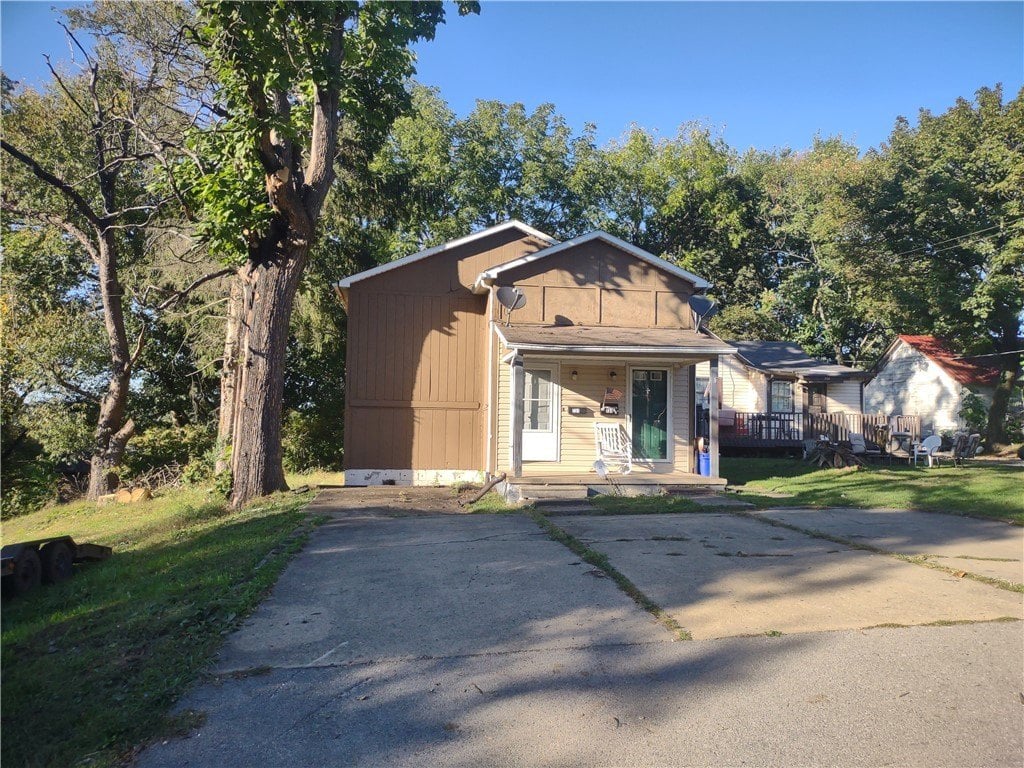
731 731.5 E Main St
New Castle, PANew York & Tri-State + 2-4 Units
Learn MoreListing Status: Available Listing Type: Call for offers Price: $89,500 No. of Units: 2 Year Built: 1978 Opportunity Zone: No Price per unit: $44,750 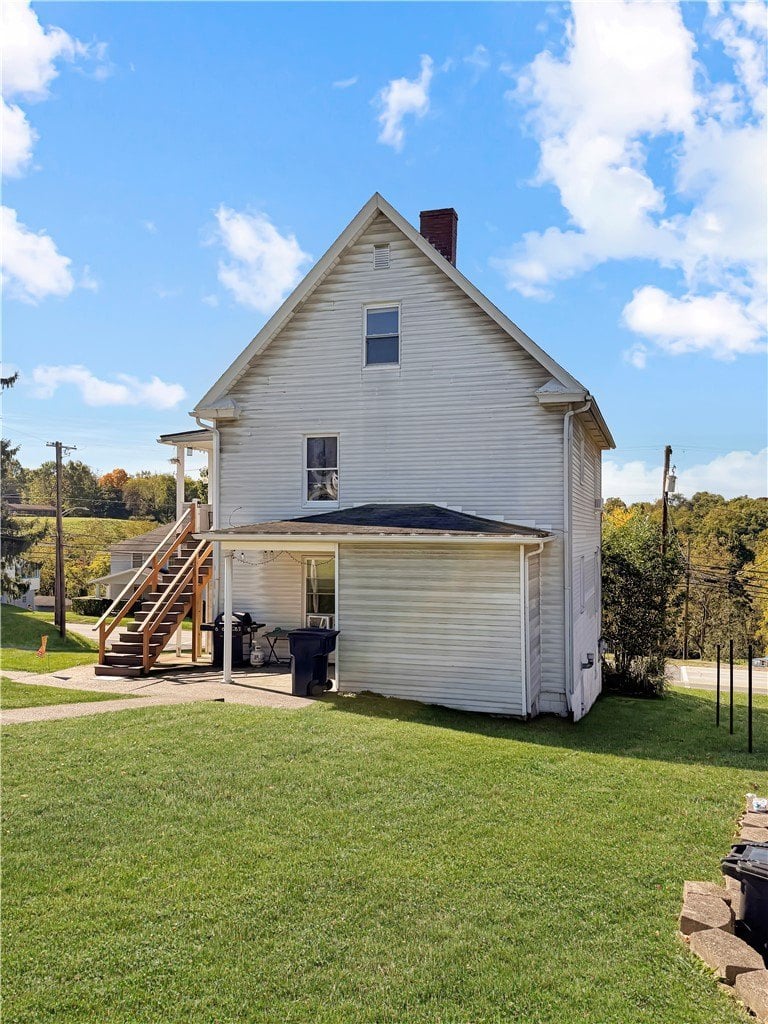
1583 E Maiden St
South Strabane, PANew York & Tri-State + 2-4 Units
Learn MoreListing Status: Available Listing Type: Call for offers Price: $149,995 No. of Units: 2 Year Built: 1900 Opportunity Zone: No Price per unit: $74,997


