



National CRE News In Your Inbox.
Sign up for Connect emails to stay informed with CRE stories that are 150 words or less.
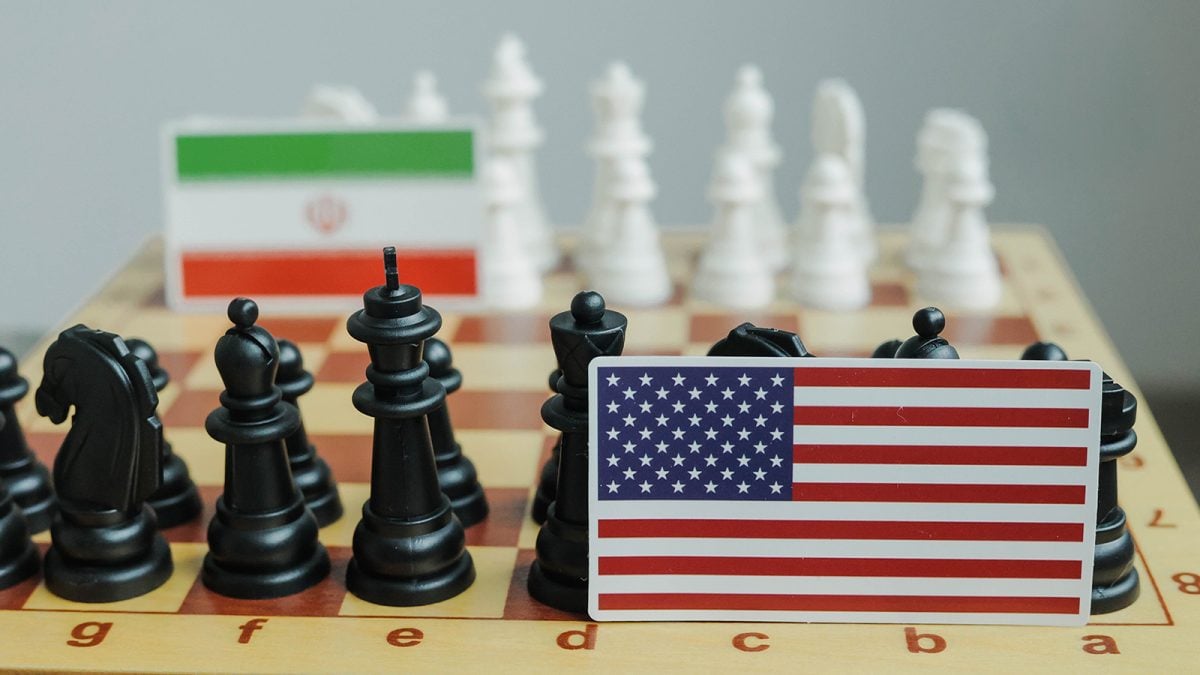

Three Months Out: The Iran Conflict, Inflation and CRE Impact
On February 28, 2026, the United States and Israel launched coordinated military attacks against Iran. Over three months later, as of this writing, the situation remains volatile, marked by ongoing diplomatic clashes, on-and-off-again blockades, and regional proxy wars.
According to a recent Marcus & Millichap video, the U.S. economy is starting to feel the impacts of the Middle East conflicts. Marcus & Millichap Senior Vice President John Chang pointed out that:
- The price of oil is elevated, though prices remain range-bound, with help from the U.S. Strategic Oil Reserves
- The Personal Consumption Expenditure increased from 2.9% in February to 3.8% in April
“All of those metrics are well above the Fed’s 2% inflation target, and that inflationary pressure has reshaped the interest rate outlook,” Chang said.
On To the Fed
Interestingly enough, despite the expectation that the Federal Reserve would continue slicing away at the Federal Funds Rate in 2026, publications like Morningstar noted that 2026 would mirror 2025 as a bumpy year, with one, possibly two, cuts possible.
But halfway through 2026, the outlook is changing. Chang said that Wall Street is predicting a 50% likelihood of a rate INCREASE by the end of the year. At the same time, interest-rate futures traders believe there is a 75% chance that the Fed will increase rates by a quarter of a percent.
All of this, in turn, is pushing Treasury rates between 4.2%-4.5%.
Other Fed factors to weigh include:
- The new Fed chair. Kevin Warsh was appointed to the position in May 2026. “Though I think he would be hard-pressed to make a compelling argument for reducing rates at this point, I also think Warsh would be highly resistant to a rate increase,” Chang observed.
- One-twelfth of the equation. Chang pointed out that Warsh is one of 12 votes on the Federal Open Market Committee, limiting his ability to dictate policy. However, “if a pathway to ending the Middle East conflict is found, a lot of the energy-driven inflation could begin to dissipate, and that could change the interest rate calculus,” Chang said.
What it Means for CRE
Chang acknowledged that rapid interest rate increases are a main headwind for the industry. While the market had begun to reach equilibrium within the past year, “deals that made sense 90 days ago may now be more challenging,” Chang said.
Additionally, capital continues to flow into commercial real estate assets. However, interest rate volatility could put pressure on transaction flows.
Now, for some good news:
- Commercial real estate demand remains strong.
- The supply pipeline across all sectors is shrinking.
- Average national rent growth across all property types is anticipated to grow during the remainder of the year.
Despite the Middle East conflict, inflation and Fed pressures, Chang explained that supply and demand are “well-positioned to navigate short-term headwinds, while sustaining longer-term growth.”
- ◦Sale/Acquisition
- ◦Financing
- ◦Economy
- ◦Policy/Gov't

