



National CRE News In Your Inbox.
Sign up for Connect emails to stay informed with CRE stories that are 150 words or less.
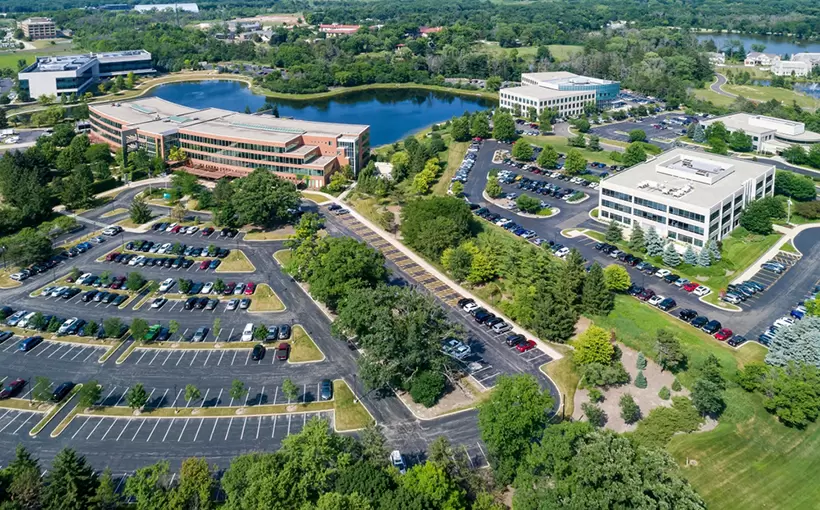

The (Continued) Argument for Secondary Market Investments
During much of the late 20th and early 21st century, commercial real estate investors liked the vibrancy (and returns) of gateway cities and primary markets. In cities like New York and Los Angeles, they could acquire trophy assets and depend on regular yield.
But in recent years, the secondary markets have provided several advantages over their coastal/gateway urban counterparts. Matthews Real Estate Investment Services’ “Reimagining CRE/Secondary Markets, Remote Work and Investment Trends” article provided various reasons for secondary markets’ growing investment appeal.
The economic discussion
Matthews experts argue that secondary markets can provide “compelling investment prospects” under certain conditions. Even when urban cores and primary markets are squeezed economically, “submarkets can outshine them by offering more affordability,” the article explained. Secondary markets can be less overvalued, meaning potentially higher returns on investments.
But not all secondary markets are created equal. “Be diligent in researching the location and always weigh the investment risk,” the article advised.
Ongoing population migration
Relocation from the city to the ‘burbs isn’t exactly news – this has been happening for a while. The Matthews article explained that city cost-of-living increases continue to drive population growth to more affordable submarkets in the suburbs. In quoting a survey from Homebay, the article indicated that one-quarter of Americans are moving from urban to suburban areas. The survey also said that 40% of Americans preferred to live in cities if “money were no object.”
Return to office/remote work
Though there have been headlines about “return to office” mandates, employees aren’t there five days a week. “The likelihood of going back to how it was before the pandemic is relatively low,” Matthews observed. “For every company advocating a return to office, another is embracing flexible work arrangements.”
According to CNBC, based on data from WFH Research, 59% of full-time employees are back at the office full-time, 29% are operating through a hybrid arrangement, and 12% remain entirely remote. Noted Matthews: “Remote work, which has become mainstream, is likely here to stay.”
More employees who work from home, even part-time, need larger living spaces to accommodate home offices. This, in turn, continues driving the demand for larger multifamily units and homes, which tend to be more plentiful (and more affordable) in secondary markets and suburbs.
- ◦Sale/Acquisition
- ◦People
- ◦Economy


