



California CRE News In Your Inbox.
Sign up for Connect emails to stay informed with CRE stories that are 150 words or less.
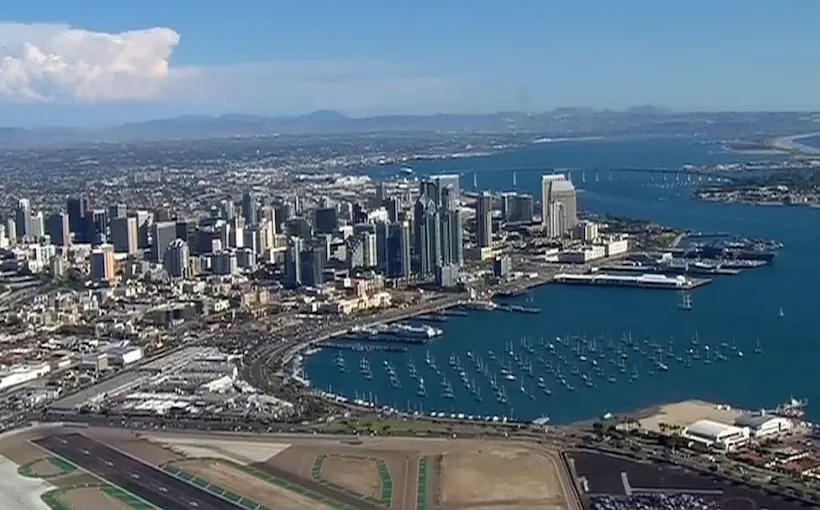

SVN Experts See Southwest Investors Shifting Their Focus
SVN has just issued a first-quarter market report covering a broad swath of the U.S., namely the Southwest, spanning from Texas to California. Along with close-up perspectives of 11 major markets and the four major property types in each city (office, industrial, retail and multifamily), the report also explores key themes across the entire region, especially investor appetite for opportunities outside their own backyards.
Connect CRE sounded out two regional experts at SVN for their takes. Below, you’ll read insights from Cameron Irons, CEO & Managing Director of SVN | Vanguard, which operates throughout Southern California; and Perry Laufenberg, Managing Partner at SVN | Desert Commercial Advisors in Phoenix.
Q: You have seen a large number of transactions where investors cross state lines to buy in other markets. What are some of their primary reasons for doing so?
Cameron Irons: In California, we are seeing multifamily investors looking out of state mainly due to increasing government regulation and enforcement. The returns are still higher outside California and, when added to the rent control and tenant rights legislation,n seems to be creating a desire to look elsewhere. Additionally, Prop 19 is taking away Prop 13 protections for investors when the owner passes away, which used to be a major reason for holding onto California property.
Perry Laufenberg: Arizona historically gets quite a bit of interest from out-of-state buyers looking for lower prices and a more favorable tax and business environment. This has been especially true since COVID and has continued to be the case today, primarily for California investors.
Q: Have you seen one area of the Southwest drawing more investors than others, and have California investors been more likely to look outside of their own state for opportunities, as compared to investors in, say, Texas?
Irons: In Southern California, we see mostly Arizona and Nevada since it’s closest geographically. Texas was hot for a while but seems to have cooled due to the fast rise in prices there as well as word spreading about property taxes being an issue. There is also a move to locations where the investor may be relocating to. These might include Utah, Tennessee, and recently Arkansas has been a new addition. It seems many individual investors are looking to retire near their family and that may be a driving force.
Laufenberg: There was a huge jump in interstate investment activity directed towards Sunbelt locations with pro-business policies in place, primarily Arizona, Nevada and Texas. Investment dollars are always looking to find a higher return and lower risk.
Q: Is any one of the four main property types now drawing more investor interest than was typical over the past few years?
Irons: While multifamily investors used to stick with it, we do see that changing. I think being exposed to the draconian California tenant protections has made them consider anything but multifamily. They also tend to be looking for investments that take less effort, like group investments with management in place or single-tenant NNN properties. Other product type investors have typically been more flexible and seem to be continuing to look for opportunity in multiple product types.
Laufenberg: Lately, transaction volume has tapered off as markets are calibrating to the new interest rate environment. Industrial properties seem to still be attracting the most investor dollars, with retail a close second due to low vacancy rates and increasing rents.
Q: The office sector, for a variety of reasons, is facing headwinds. For investors that gravitate toward office, what are their priorities in buying today and how are these different from prior years?
Irons: Buyers in the past were mostly cap rate-driven and this made older buildings more attractive. Now it seems the only properties anyone wants are the ones that have been renovated or have very strong occupancy and tenant rosters. The cost to renovate and maintain older properties makes them almost impossible to make money on in the long run. Most will likely need to be demolished for a more current land use. The reality is that rents on Class B and C offices really haven’t grown for decades, while costs have exploded.
Laufenberg: Office investors are looking for value in suburban markets. With tenant improvement costs increasing, investors look for assets that can be purchased for a low dollar per square foot. Investors must underwrite significant improvements to attract tenants while still offering competitive rental rates. If they do this math correctly, there is still a lot of opportunity in the office market.
Pre-COVID, demand in the office market always favored high-rise, CBD properties but with downtown office attendance struggling to return to pre-COVID levels, much of that demand has moved to the suburbs.
- ◦Sale/Acquisition

Apartment buildings for sale
Check out the latest properties available on apartmentbuildings.com
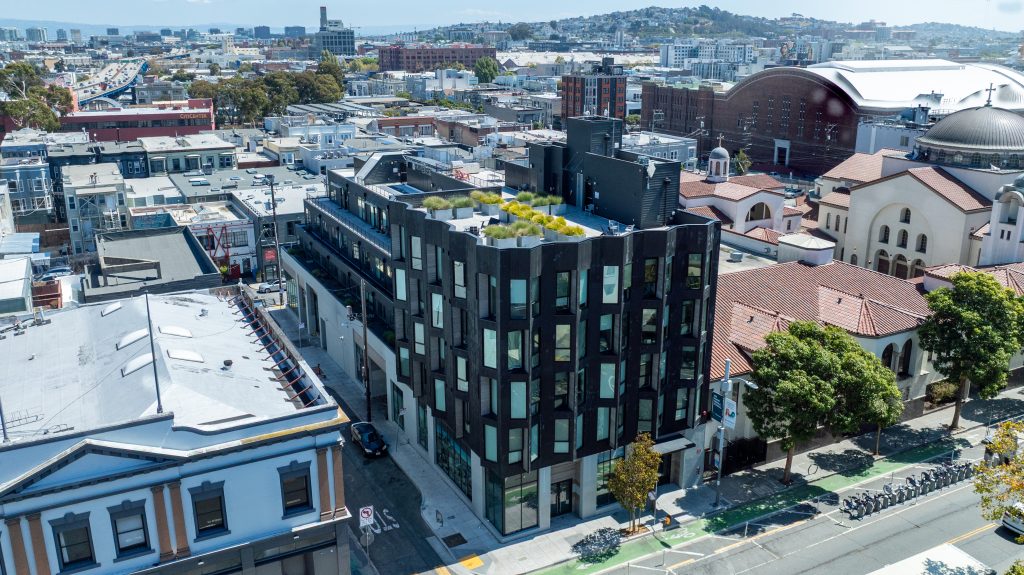
235 Valencia Street
San Francisco, CACalifornia & West + Apartment Buildings
Learn MoreListing Status: Available Listing Type: Highest & best offer Price: $20,000,000 No. of Units: 42 Year Built: 2019 Building Size: 25917 Sq ft Lot Size: 9148 Acres APN: 3532-019B Opportunity Zone: No Price per unit: $476,190 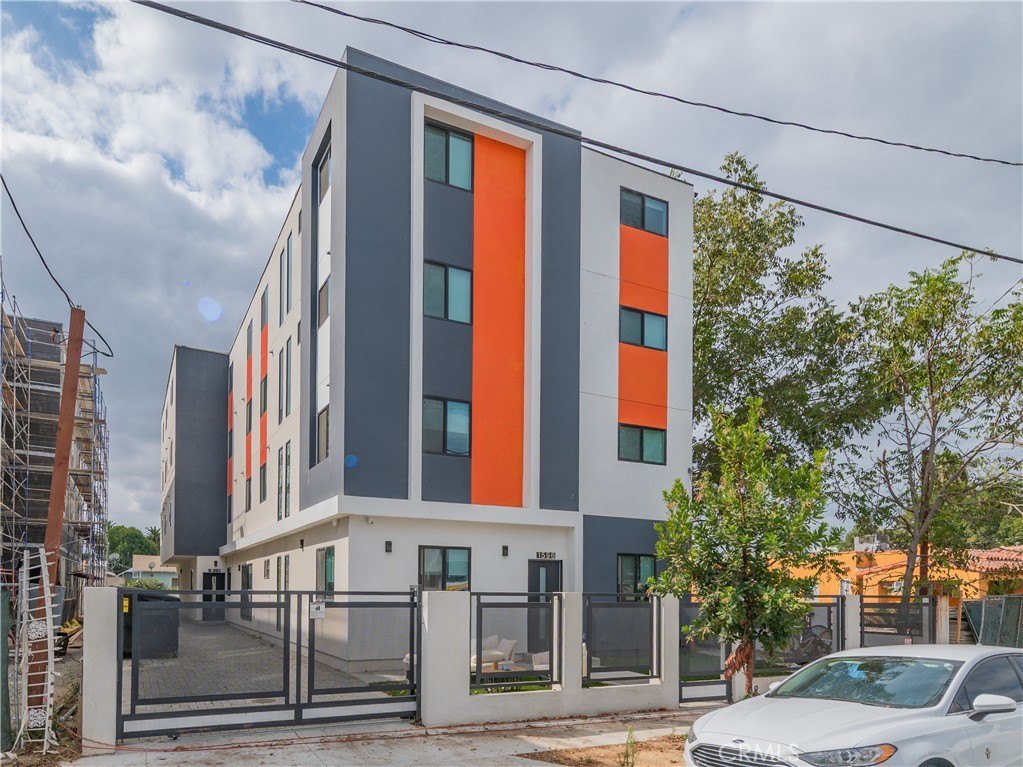
1598 W 36th
Los Angeles, CACalifornia & West + Apartment Buildings
Learn MoreListing Status: Available Listing Type: Call for offers Price: $6,500,000 No. of Units: 45 Year Built: 2025 Opportunity Zone: No Price per unit: $144,444


