



National CRE News In Your Inbox.
Sign up for Connect emails to stay informed with CRE stories that are 150 words or less.

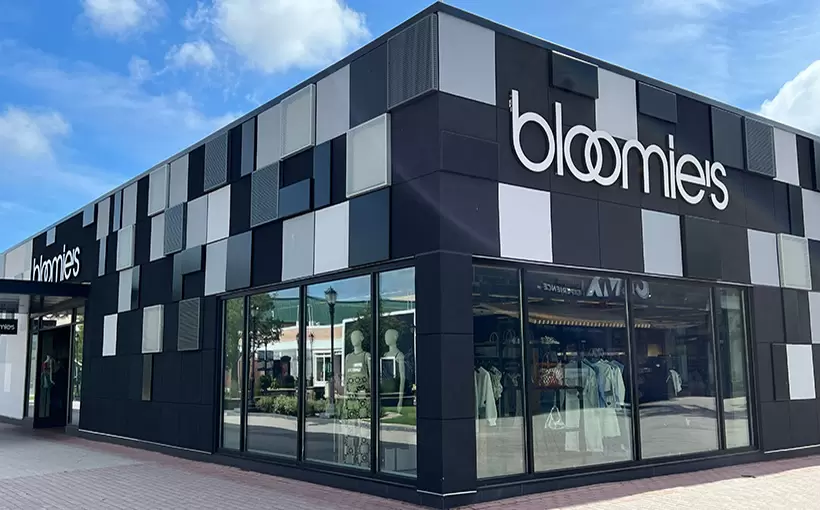

Size Matters – Small-Format Stores Are on the Rise

Once upon a time, retail consisted of small mom-and-pop establishments. Then came the national (sometimes international) chains with mega-size retail footprints. Now, the trend is reverting to a “smaller-can-be-better” mentality as retailers find uses for less space.
According to a Placer.ai article, small-format stores are generating huge visits and returns for retailers. In an article entitled “Small Format Stores—Sprouting, Blooming and Expanding,” Placer.ai said that Sprout Farmers Market, Bloomingdale’s and BJ’s Wholesale Club experienced an increase in visits and sales with less space.
According to Placer.ai Head of Analytical Research R.J. Hotttovy, retailers rely on small-format stores for these reasons:
- Better economics for attracting visitors in less-dense markets
- To target ideal customers in a more capital-efficient manner
- As part of an omnichannel strategy in which the small stores are showrooms with delivery or pick-up fulfillment
“Location and ease of access are two key reasons we’ve seen an increase in smaller-format stores, and they are generally less expensive to operate than larger-format stores,” Hottovy told Connect CRE.
The article noted that Sprouts uses its small-format stores to increase convenience for the consumer. Meanwhile, Bloomingdale’s “Bloomies” – the retailer’s highly localized small-format neighborhood concept – has been well-accepted in urban and suburban areas. On the wholesale retailer side, BJ’s small-format test store in Rhode Island demonstrated that “wholesale can be extended beyond endless roaming through enormous, big-box stores in search for the best value bargain,” the article said.
Hottovy said that even with the success of smaller spaces, larger stores aren’t going to close shop any time soon, so to speak. He pointed to Dick’s Sporting Goods’ experiential “House of Sport” format and larger regional grocers like H-E-B and Hy-Vee as examples of how large stores continue to pull from broad trade areas.
Due to increased visits and sales, Hottovy sees good things ahead for smaller format strategies. “Given the success in driving higher visits per square foot, better targeting their ideal customers and the lower costs involved, we expect smaller formats to continue to be a popular option for retailers in 2024 and 2025,” he added.
- ◦Lease
- ◦Development


