



Chicago & Midwest CRE News In Your Inbox.
Sign up for Connect emails to stay informed with CRE stories that are 150 words or less.

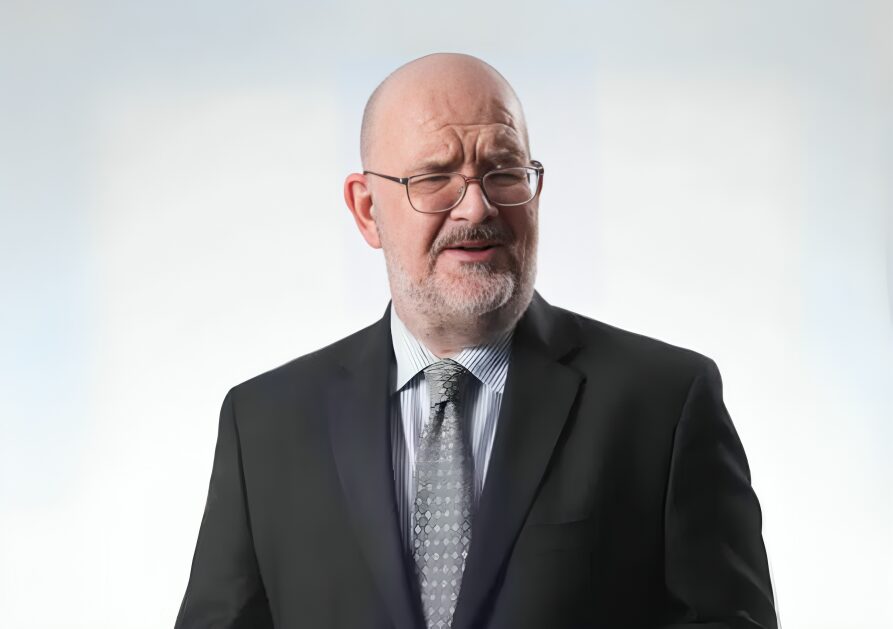
Single-Story, Suburban, & Safety: A Virtual Office-Focused Roundtable Conversation Hosted by Eisenberg Foundation
By Olivia Simmons, Harold E. Eisenberg Foundation
In response to the rapid change in our nation’s student learning environment, the Harold E. Eisenberg Foundation has been hosting a virtual Roundtable Summer Series. This series bridges the gap between networking and information sharing in the coronavirus era.
One topic covered recently by the Summer Series was “Where Do We Go From Here? Insights and Predictions for the Future of Office Real Estate” and included panelists: Alissa Adler, Senior Vice President, Colliers International and Julia Klairmont, Director of Operations & Leasing, Imperial Realty. The common goal was to provide industry-interested students with an idea of where Office is headed, and the best way to board the ship while navigating some uncertain waters.
The roundtable began with panelists sharing their thoughts on the current state of the Office sector.
At this point in time, the office sector may not be very attractive on its surface. Alissa Adler of Colliers International reflects, “We’ve seen a significant, 75% decrease in leasing activity, from Q1 to Q2, in the Chicago CBD; that’s the biggest decline in 15 years.” But momentum of a new form is picking up.
Back in March, Chicago’s stay-at-home order required everyone to dust off their basement or den area desks. People responded by finding sustainable ways to work remotely. Yet as time has moved on, working from home has lost some of its luster, for employees and employers. Camaraderie and company culture can be hard to maintain remotely.
That’s where the pivot within the Office sector lies.
“A lot of people don’t like working from home,” said Julia Klairmont of Imperial Realty, “Those who have offices downtown but live in the suburbs have been in search of a small office to get out of the house. We also have certain tenants who are expanding their offices to social distance but keep their staff together in the office.”
Regardless of if it’s a downtown or suburban location, one of the key elements for businesses and their employees is safety from the coronavirus, whether that is in the building/space itself or the ability to bypass public transportation.
Adler added to Klairmont’s perspective and said, “Suburban office is now considered a good option for companies to be closer to their employee base. Taking that a step further, single-story office has become a coveted investment option since it has very little to no common areas or elevators.”
According to the experts, office layouts as we know them are going to look very different. Klairmont expects offices will go back to the old school office set up of private offices and cubicles. Adler believes we’ll see more buildings converted or built for Bio-tech and Nanotechnology.
During the roundtable discussion, the panelists talked about the advantages of launching a career in the Office sector in the face of change.
As young professionals advance in their careers, Klairmont suggests, experience through the ups and downs early on will put them ahead, teaching them discipline and perseverance, among other things.
“You get to see it all sooner rather than later, and you grow faster than those who started when the market was great,” she says.
Panelists continued with sharing their career advice to aspiring students at their roundtable. Across any career climate, Adler believes it is important to network frequently and stay in touch, especially during the quieter times when you don’t need anything.
“Have strong communication skills to fall back on,” she says. “And, know how to adapt how you communicate based on each situation. Always try to anticipate what the other party will want and be prepared, be thoughtful.”
In summing up the advice for young professionals in the industry, both panelists maintain that those who are just starting out or early in their careers in office should seek opportunities to get out in the field rather than behind the desk.
To learn more about the Eisenberg Foundation’s Virtual Roundtable Summer Series and support opportunities, please click here.
For comments, questions or concerns, please contact Paul Bubny

