



National CRE News In Your Inbox.
Sign up for Connect emails to stay informed with CRE stories that are 150 words or less.

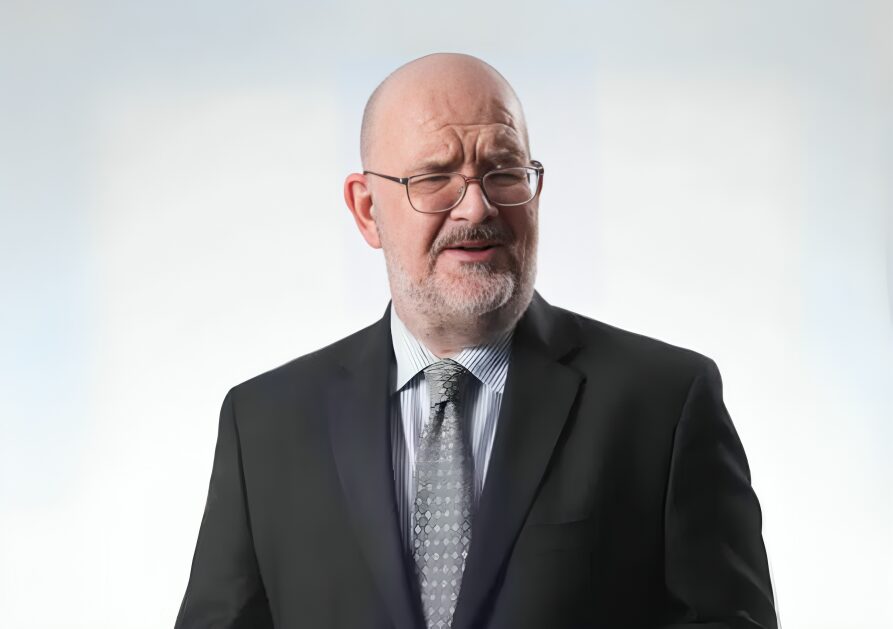
Ryan Severino Sees U.S. Avoiding Recession, If …
The forecast from Ryan Severino, chief economist and head of U.S. research at BGO, calls for the U.S. economy avoiding recession in 2023, “and likely doing so in 2024, if notable headwinds do not prove too great to overcome.” In the inaugural edition of a newsletter on LinkedIn, Severino summed up his recent report on the economic outlook with five key thoughts, which we’ve summarized below:
Focus #1 – GDP: “A recession is not inevitable. While growth is slowing, we still expect positive calendar year growth in our base case through 2024.” Since the economy is cyclical, “a recession will arrive at some point. But there is nothing in the current economic dynamic that would explicitly cause a recession, except the Fed tightening too much, the classic recipe for a post-war recession in the U.S.”
Focus #2 – Employment: “The labor market should continue to ease over the balance of the year despite the ongoing labor shortage. Net job gains should slow. We foresee some upward pressure on the unemployment rate as persons returning to the workforce are met with a slowdown in hiring and some job losses. But we anticipate muted impact on the labor market vis-à-vis previous slowdowns in the economy because of the ongoing pronounced labor shortage.”
Focus #3 – “Inflation is getting overstated because of the notable lag effects associated with shelter costs. Excluding shelter costs, inflation is growing slowly. Inflation should continue to decelerate over the balance of the year as the lagged decline in shelter costs filters through to the major inflation indexes. Inflation will likely still sit above the Fed’s target rate by the end of the year, but we expect it to draw closer.”
Focus #4 – Interest rates: “Will slowing inflation stop the Fed? The probability of another hike in the Fall has declined significantly in recent weeks. Either way, we do not expect the Fed to cut rates in 2023. That would leave the fed funds rate still in the mid-5% range by the end of the year.”
Focus #5 – Commercial Real Estate Implications: “Typically, an economic environment characterized by positive economic growth, an incredibly tight labor market, slowing inflation, and the prospect for lower interest rates would represent a clear positive for the commercial real estate (CRE) market. But the Fed’s short-term agenda is superseding all of that. Until the market receives clearer direction from the Fed, it will remain in a holding pattern, with market participants keen to avoid making a mistake.”
In his full report, Severino notes two risks to the economy. One is the Fed making policy mistakes, i.e. the consequences of its shifting “from doing too little to doing too much.” Another is fiscal policy. “We remain concerned that political rancor could sacrifice the health of the economy,” he writes.
- ◦Economy


