



National CRE News In Your Inbox.
Sign up for Connect emails to stay informed with CRE stories that are 150 words or less.

Report Offers Climate-Risk Assessment Clarity
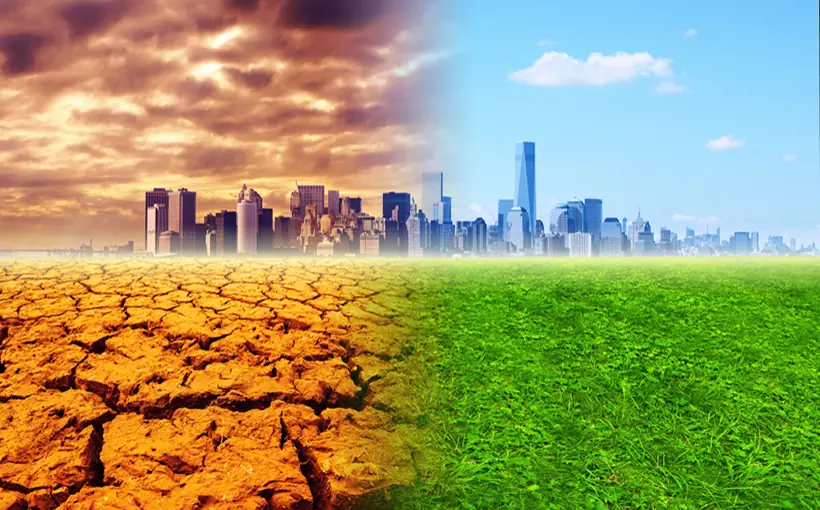
The increasing frequency and severity of climate-change-driven weather events is driving the commercial real estate industry toward decisions focused on mitigating climate-change risks.
The challenge? “An array of climate analytics data, software and consulting services have emerged,” along with ever-growing changes in policy and regulations, according to the Urban Land Institute.
While all of this can provide good, actionable information, it also means that “investors today face a number of challenges related to physical risk, including a lack of clear industry norms,” the ULI said. Also increasing the difficulties are selecting the best data to align with business needs and integrating that information into specific real estate life-cycle decisions.
In an effort to address this challenge, the ULI partnered with LaSalle Investment Management on a recently released report, “How to Choose, Use and Better Understand Climate-Risk Analytics.” Authored by academic and climate change experts, the report delves into:
- The reasons for huge variables among physical risk analytics and data, and
- How the real estate community can find the best information for its needs
Large variations occur because of “the types of hazards covered by climate-risk analytics tools,” the report said. While some tools might analyze flood risk, others might focus on extreme heat or cold. Furthermore, “providers do not only disclose detailed definitions for the types of hazards covered,” the report said. An example is that while data connect to a hurricane might include strong winds and rain, it could leave out storm surge or flooding analytics.
With these and other factors, the report suggests that investors, owners and operators consider the following when it comes to assessing climate risk data providers:
- Whether the information meets specific strategic objectives
- Whether the provider generates a specific value-at-risk
- If risk assessments from multiple providers are congruent or inconsistent
- If the assessment integrates with acquisition, development, financial reporting and portfolio management teams
In other words, much as due diligence is used to determine the feasibility of real estate acquisitions or dispositions, that same effort should be put toward environment data provides and their information. Asking questions and using information from the ULI/LaSalle report “can aid in the process of evaluating, integrating and using physical climate-risk data,” the report stated.


