



National CRE News In Your Inbox.
Sign up for Connect emails to stay informed with CRE stories that are 150 words or less.

Remote-Work Hotspots Aren’t the Nation’s Leading Job Markets
As a growing number of office-using employers are delaying their returns to onsite workplaces, remote work has continued to surge in popularity, CNBC reports, citing data from LinkedIn. The professional social network said 30.2% of all applications to paid U.S. job postings in August were for remote work opportunities, up more than threefold from a year ago.
Certain cities are emerging as remote work hotspots faster than others. Bend, OR topped LinkedIn’s list of small U.S. cities where remote work is the most popular. Of all the job applications that people from Bend are submitting on LinkedIn, 41.8% are for remote jobs.
Rounding the top five among small cities are Asheville, NC (38.7% of applications); Wilmington, DE (35.9%); Johnson City, TN (35.2%), and another Oregon city, Eugene (34.9%).
“We’re seeing booming interest across industries in remote work, a lot of people want that flexibility as the pandemic continues, and companies are going to go where the workers are,” George Anders, a senior editor at LinkedIn, told CNBC “We’ve also discovered that the kind of tools we’re using for remote work, like Zoom and Slack, make more remote jobs possible, so remote work has ended up being sustainable and productive.”
Even prior to the pandemic, Bend attracted an unusually high number of remote workers, data from the U.S. Census Bureau shows. Anders said many tech employees from San Francisco and Seattle have gone to Bend for its beautiful mountain range and abundance of co-working spaces.
Cape Coral, FL dominated the larger cities list, with 33.1% of residents’ LinkedIn job applications going to remote jobs. Cities in Florida dominated the top five, with second-place Charleston, SC (31.6% of applications) followed by Tampa Bay (29.6%), Jacksonville (29.4%) and Orlando (29.2%).
Tying all these metros together is local economies largely dependent on tourism and recreation, which took massive hits during the pandemic, driving longtime residents in these industries to consider other stable, higher paid options, like remote work. “We tend to focus on the glamorous side of remote work, but there are a lot of people using it just to find a job that pays more than the minimum wage with better hours,” Anders told CNBC.
San Francisco and New York City tied for last place among the 25 largest metro areas in the U.S., as only 16.4% of applicants in both cities applied for remote jobs on LinkedIn. Both coastal cities, Anders explains, are known for their expensive cost of living as well as high salaries, so the results aren’t surprising.
“If you’ve gone to all the trouble of coming to San Francisco or New York, you might as well tap into that big, rich economy, as it’s unlikely that you’re going to find a remote job that pays better than what you could find if you popped onto a bus or subway and traveled a few blocks,” he said.
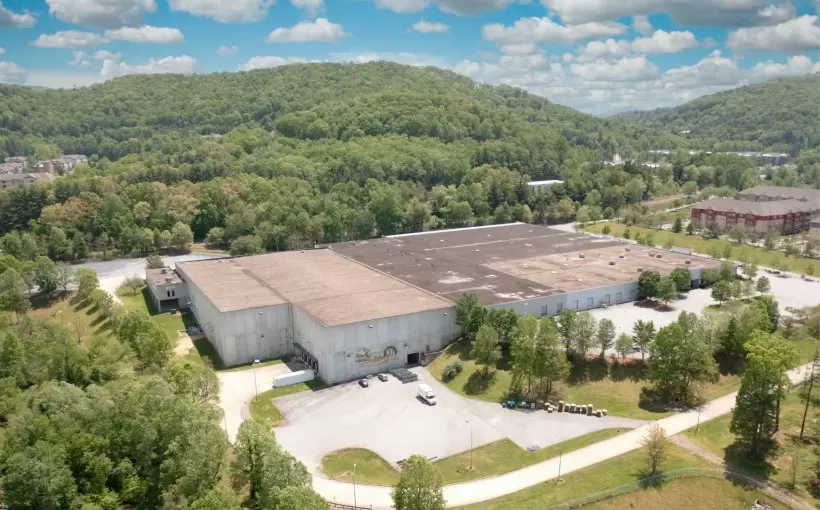
Pictured: Asheville, NC.
- ◦Economy


