



Phoenix & Southwest CRE News In Your Inbox.
Sign up for Connect emails to stay informed with CRE stories that are 150 words or less.

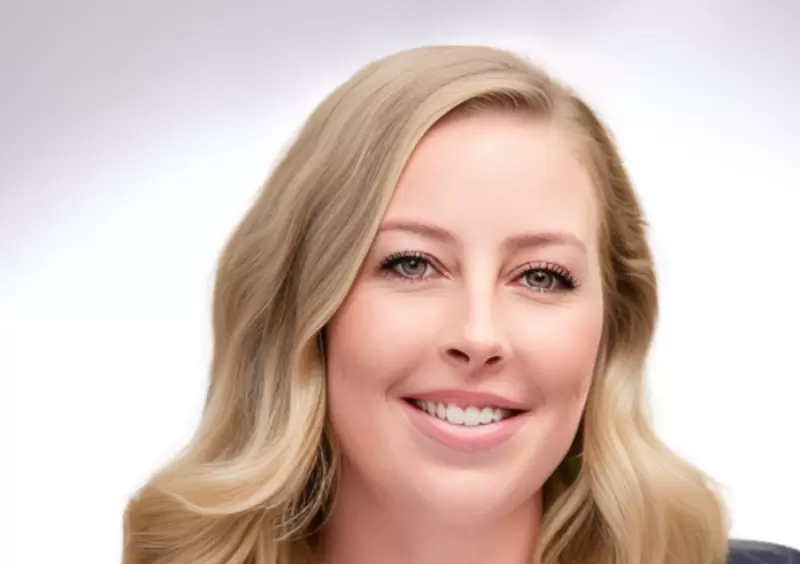
Recap from Connect Phoenix Multifamily 2026 – The Phoenix Factor and the State of Insurance and Risk in a Growth Market
Amid ongoing market volatility, tightening credit conditions, and elevated interest rates, lenders are navigating a more complex and disciplined commercial real estate environment. At Connect Phoenix Multifamily 2026, Wm. Ryan Donahue, Vice President, Business Insurance Division at Marsh McLennan Agency, spoke with Sarah Quinn, Co-founder and Vice President of Connect Commercial Real Estate, about the complexities of insurance and risk in Phoenix’s growing market, and what companies can do to reduce insurance costs amid a cautious economic climate.
Q: Tell us where we are in the insurance world at this moment. What has the marketplace looked like over the last 12 months?
A: When I first got into the industry, insurance was pretty bottom of the list for a lot of our clients. In the time since, we’ve had what we call the hard market. Now, we’ve had almost eight years where rates were going up, and our clients had to start paying attention to it. Fast forward this past year over the last 12 months, we had no storm season, which for the first time, and coincidentally at the start of the hard market, the last time that we had no storms hit the contiguous 48. In addition to that, we had increased capacity, and the cost of reinsurance has been coming down, with rates coming down 20%.
How did we get there? Well, we got there with rates and the same market fundamentals that are causing really increased inflation. So you might’ve had a flat rate up into this 20% decrease this year, but you might’ve had a flat rate, but you had a 10% TIV (Total Insurable Value) increase because the cost of rebuild has gone up year over year over year. So, to you, your premium still went up 10%, even though, from a rate standpoint, it might have been flat, since there weren’t many flat renewals over the last several years. So we’re in a good spot now, and it’s the new normal where it’s really soft compared to where it’s been.
Q: How does Phoenix rank as a growth market in your view, and what does that mean for insurance?
A: Phoenix is the darling of the insurance world. If we could expand the Phoenix area and just keep building here forever, underwriters would love it because of the ideal conditions. This is in contrast to some other sister markets, such as Florida, Texas, or California. Because this region is such a sustainable built environment, there aren’t the same issues in terms of disasters or wildfires in Phoenix that affect other states or even cities here in Arizona, as they do in Flagstaff or Sedona. If you’re going to grow your portfolio, from an insurance standpoint, you can’t grow it enough in Phoenix.
Q: Where do you see insurance going in the next 12 months? Phoenix specifically?
A: With anything related to insurance, but the easiest way to think about it from an underwriting standpoint is how my risk is going to be looked at. It’s as if you pretend you’re a fire inspector and think simply, what could go wrong here? What are my issues? What are my risks? When you take that lens, it becomes really simple. For example, if you have poor management in place or if you have a tougher demographic in terms of overall casualty risk, you are going to be potentially at risk.
Insurance is a true lag indicator of the GDP of the country. And so as the country grows, insurance goes. Because growth is somewhat stagnant, insurance rates go down, and it’s almost a reverse effect. With everything happening today, if the price of oil, for example, continues to increase, insurance is probably not going to go down because the cost of goods will rise. Even if the rate stays the same, the TIV will increase, which pushes premiums higher. The difference is the scale, especially when you’re talking about a multifamily portfolio.
Q: What are some creative ways to handle insurance in today’s market?
A: Every step of the deal is a team approach. When I first got into the industry, almost a decade ago, insurance was such a low cost that you weren’t under the hood. You weren’t part of the planning process. Now, you need to collaborate with your broker, and insurance is the intermediary between the carrier and the client. At its core, insurance is a transfer of risk. Essentially, you’re buying a piece of paper that pays you in the event of a loss.
From there, it becomes: can you take on more risk? Do you have the balance sheet for it? That’s where you can start getting creative—there are a lot of ways to structure things depending on your situation.
