



Florida & Gulf Coast CRE News In Your Inbox.
Sign up for Connect emails to stay informed with CRE stories that are 150 words or less.
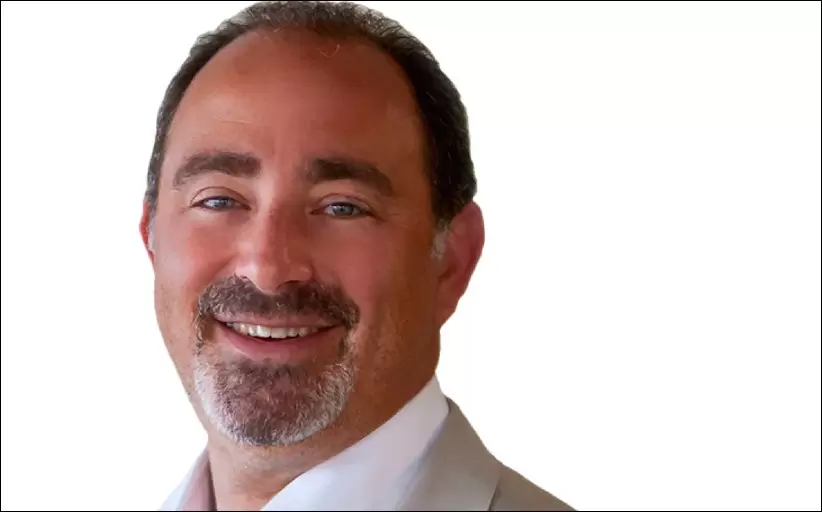
RCKRBX’s Michael Broder: Renters Have Become More Savvy and More Decisive
At Connect Southeast Multifamily 2024, scheduled for Thursday, Dec. 5 at the Rusty Pelican in Key Biscayne, FL, you’ll gain insights from the leading owners and operators in the region. Among the subjects they’ll address is renter behavior and preferences, and that’s a focal point for RCKRBX, a data mining platform for maximizing the performance of multifamily real estate assets across the ownership lifecycle. Company founder and CEO Michael Broder, among the experts the Connect Events team has gathered for the “Insights from Developers, Owners & Operators” panel, provided a preview of the discussion for Connect CRE. Here’s what he told us.
Q: What is RCKRBX data telling you about the behavior and decision-making of renters in the Southeast? Does the data for the Southeast differ from that of renters in, say, the Midwest or California?
A: Generally speaking, renter decision-drivers (i.e. live-space priorities / preferences / etc.) are fairly consistent across geographies but their overall prioritization has changed. Variance does exist among specific sub-sets of renter populations within each market in terms of desired unit types (including their configurations, finishes and features), property amenities, locational attributes, etc. and to what extent such factors influence where they choose to live, what they choose to live in, and how much they are willing to pay for it. Understanding the differences between all renters in a particular market vs. those who are high propensity targets for a particular property in that market is critical given growing oversupply concerns. Knowing what is accretive to demand, lease likelihoods and rent premiums among specific sub-sets of renters as well as how such factors impact their decision-making (and, by extension, the asset’s performance once on market) are key considerations going forward.
Q: Have you seen an evolution in terms of renter expectations since launching RCKRBX?
A: Since launching RCKRBX, we have seen renters not only become more sophisticated/savvy in how they approach the leasing decision (based on what matters most to them) but also more rigid and evolved in their decision-making criteria which, in many cases, challenges conventional thinking across the multifamily industry.
Q: What are some ways in which RCKRBX data can help inform development?
A: Drawing from the science and discipline of political campaign research, RCKRBX pairs demand-side polling methodology with machine learning and big data to grant developers a decisive competitive edge in today’s highly commoditized multifamily market. Through real-time human insights, developers can identify what live-space programming and placemaking attributes are perceived as most important to their target renters and how these factors are accretive to driving lease-up and rent premiums. By having the unique ability to test multiple development and redevelopment scenarios and model demand/premium potential for each, firms can optimize the project development path by validating variables such as location, asset type/size, programming and unit mix, positioning and price segmentation, to ensure the delivery of the right asset, in the right place at the right premium and to the right audience.
Q: How does it help inform underwriting for investors?
A: RCKRBX has empowered industry-leading real estate investment firms to fortify their due diligence processes by providing a first-of-its-kind understanding of the mind of its prospective customer and forward-looking insights into behavioral and market trends – supporting smarter decision-making, optimized returns and minimized risks throughout the investment lifecycle. For instance, RCKRBX’s data has been leveraged to evaluate the programmatic elements of multifamily projects during the underwriting stage, identifying variables and forecasting rent projections that traditional market studies are unable to capture. Its data has additionally substantiated the investment value of developments where the historical competitive set and supply-side baseline were limited, allowing subscribers to achieve elevated pro-forma rates and ultimately engage in deals with the highest degree of confidence.
Don’t miss Connect Southeast Multifamily this Thursday, December 5th, in Key Biscayne, FL! Multifamily’s leaders from Lument, TruAmerica Multifamily, Transwestern, CoStar Group, Trimont, Berkadia, RCKRBX, Wells Fargo, and more will be speaking and the most active dealmakers and decision makers will be in attendance. Be there in-person to learn what the industry’s experts forecast 2025 will bring to dealmaking, development, management, investment, financing, and more throughout the Southeast states! www.ConnectSEMF2024.com
- ◦Lease
- ◦Development

Apartment buildings for sale
Check out the latest properties available on apartmentbuildings.com
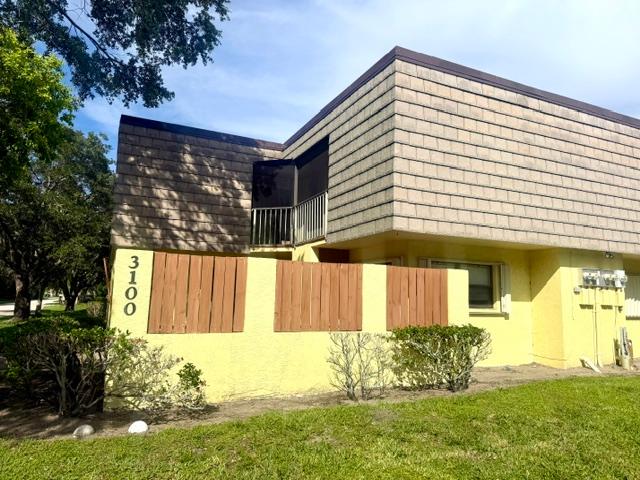
4-Unit Multifamily Property for Sale at 3100-3106 SE Brook St.
Stuart, FLFlorida & Gulf Coast + 2-4 Units
Learn MoreListing Status: Available Listing Type: Highest & best offer Price: $849,000 No. of Units: 4 Year Built: 1982 Opportunity Zone: No Price per unit: $212,250 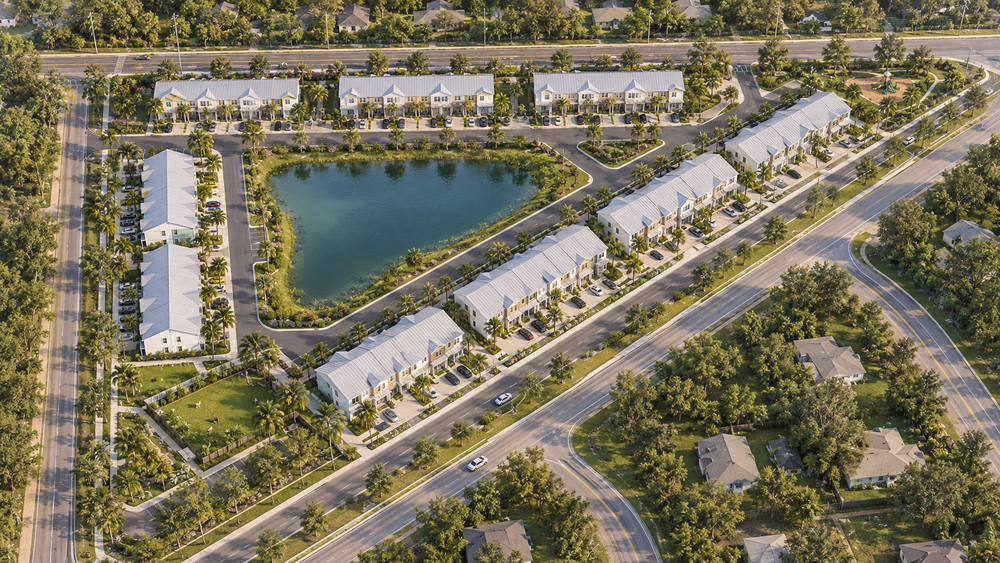
E. Midway Road, E. Weatherbee Road and Silver Oak Drive
Fort Pierce, FLFlorida & Gulf Coast + Land/Development
Learn MoreListing Status: Available Listing Type: Call for offers Price: $1,980,000 No. of Units: 66 Lot Size: 7.57 Acres Opportunity Zone: No Price per unit: $30,000

