



California CRE News In Your Inbox.
Sign up for Connect emails to stay informed with CRE stories that are 150 words or less.

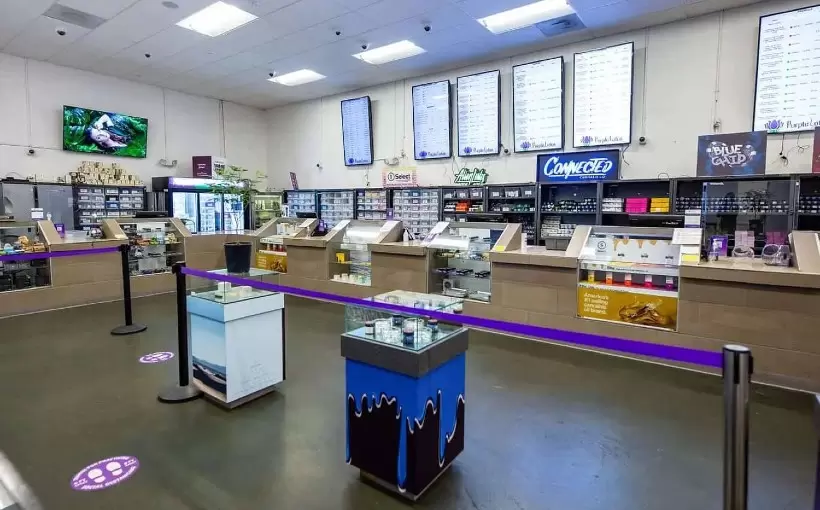

Q&A with Purple Lotus’ Matt Krishnamachari on Bringing Customer Service to Dispensaries
The dispensary sector has come a long way since San Jose-based Purple Lotus was established in 2010. In fact, it was established in response to what its founders saw as deficiencies in the customer experience at that time. Connect CRE sounded out CEO Matt Krishnamachari for insights on how the dispensary business has evolved since then.
Q: Purple Lotus was established in 2010. How did you seek to provide an alternative to other Bay Area dispensaries?
A: Purple Lotus opened its doors to provide safe access to cannabis in its surrounding communities. Purple Lotus was started by my wife and I with a $15,000 investment, we remained true to our roots and kept a family culture and vibe that exists to this day.
As a cannabis patient, I visited many stores and saw a void in terms of customer service and experience.
Purple Lotus focused on creating an incredible customer journey paired with varieties of products to create an industry-leading experience.
Q: Prior to establishing Purple Lotus, you developed entrepreneurial experience in other sectors not related to cannabis. How did this experience translate into establishing a presence in cannabis?
A: Purple Lotus evolved out of the customer care and high-level communication skills I learned at the intersection of nightlife and global commodities markets I was able to transpose my hospitality and nightlife experience to the cannabis customer experience, and drew on the negotiation tactics I honed during past involvement in international trade and global commodity markets to garner the best deals and situations from cannabis suppliers
By creating strong relationships with vendors, I am able to get the best price and capture more value for customers. Coupled with exceptional service levels, you start to see what makes Purple Lotus a leading cannabis business
Q: Since Purple Lotus was founded, the legalized market for cannabis has expanded from strictly medicinal use to encompass recreational use as well. Clearly, this opens up a wider audience; at the same time, what challenges does it represent?
A: We are a highly-regulated business and pay large city and state taxes. Pricing across the supply chain is inflated by regulatory expenses, as well as the significant tax burden faced by cannabis businesses. Both these factors contribute to higher retail prices in the legal cannabis market than those presented by retailers in the legacy cannabis market—which makes it challenging for many retailers to compete.
Q: In terms of the cannabis market and suppliers, what has improved since 2010 and what hasn’t?
A: The biggest improvement is the maturity of products and branding. In 2010, brands didn’t matter. In 2024, brands now lead the way. Our top 80% of sales comes from just 20% of the brands we stock. These 20% of brands are “must carry” products—which means that if we don’t carry a certain brand SKU, we will lose out on sales.
In addition, another big change is the number and quality of technology providers. More ancillary businesses are open to working in the cannabis space from inventory management to website maintenance. There are basic business services that brands in any industry need to be successful—and cannabis founders finally have the support they need.
At Purple Lotus, we have focused on building AI business intelligence tools that allow us to filter through data and make informed decisions that drive bottom line results.
On May 1, join industry leading experts when they explore the most important topics in today’s CRE markets. Register to attend and hear expert insights first-hand, network with the best in the industry, and sit in on discussions you won’t hear anywhere else. The 8th Annual Connect Los Angeles 2024, May 1 at the Intercontinental Los Angeles Downtown.
- ◦Development

