



California CRE News In Your Inbox.
Sign up for Connect emails to stay informed with CRE stories that are 150 words or less.


Q&A: Why Legalize Bootlegged Residential Units?
Connect Los Angeles is coming on June 21st. Here’s where to get more details and register.
By Dennis Kaiser
As the City of Los Angeles struggles to address the shortage of affordable housing, the legalization of bootleg units, apartments that do not conform to local zoning and/or building code requirements, presents a very pragmatic solution, while also providing landlords financial incentives to undertake the process.
Connect Media asked Robert Lopata, co-founder and president of LBPM, to share insights about the recent vote by the City of L.A. to allow dwelling units that had been bootlegged to gain approval as multifamily properties. It is estimated that there are 5,000 units across L.A. that were created without a city permit.

Q: What types of properties are most supportive of legalizing nonconforming units?
A: Due to the high cost of land and overall development costs required to construct an apartment building, most developers maximize the total number of apartments they can build on a given lot. Opportunity exists where the computation of allowable units is at the margin, and a subjective and conservative consideration has been made to underdevelop the property by one or two units. In some instances, buildable units are sacrificed due to parking constraints, while in other cases, errors may have been made in calculating the total lot size used to determine the maximum number of buildable units. Many of these properties include a gym or recreation room that already conforms to building codes in effect at the time the construction permit was granted, and may already have been approved under the original building permit.
Q: What are the benefits of legalizing these units?
A: In many instances in which landlords are considering legalizing a bootleg unit, the apartment has either already been shut down by the City’s Systematic Code Enforcement Program (SCEP) or the landlord’s fear the unit might eventually be discovered by the City and subsequently shut down. So, the obvious benefit is bringing the property into compliance with the building codes and zoning ordinance. The secondary benefit of legalizing an otherwise non-permitted apartment is the added value it contributes to the building, both in terms of increased legal rental income and also in terms of incremental building value due to the increased rental income from that additional unit.
Q: What should landlords know about the process?
A: The first step in determining whether your property is a good candidate for additional units is to discover the existing zoning for your property, the lot size as reflected in City records, whether any of your existing apartments are non-conforming units, and if there are any common area spaces that could be utilized for conversion to an apartment. There are City websites that can be utilized for this purpose; however, one can also learn a great deal about a property through a title report. Depending on the zoning, there will be a ratio of allowable units based upon a specific square footage. For example, in the City of Los Angeles, the R-3 zoning provides for one dwelling unit for every 800 square feet of land (an 8,000-square-foot lot can accommodate a 10-unit building). In this instance, if you determine that your property is built on a 9,000-square-foot lot, but you have only a 10-unit building, then you could conceivably add an additional apartment to the building provided you have sufficient parking and other requirements. This is where you would involve an architect who could reconfirm your assessment while also researching the other relevant conditions and constraints.
All things considered, landlords should be prepared for a fairly lengthy and somewhat cumbersome process that could involve several months of work and tens of thousands of dollars. But considering the potential increase in value and rental income, it could be worth it.
For comments, questions or concerns, please contact Dennis Kaiser

Apartment buildings for sale
Check out the latest properties available on apartmentbuildings.com
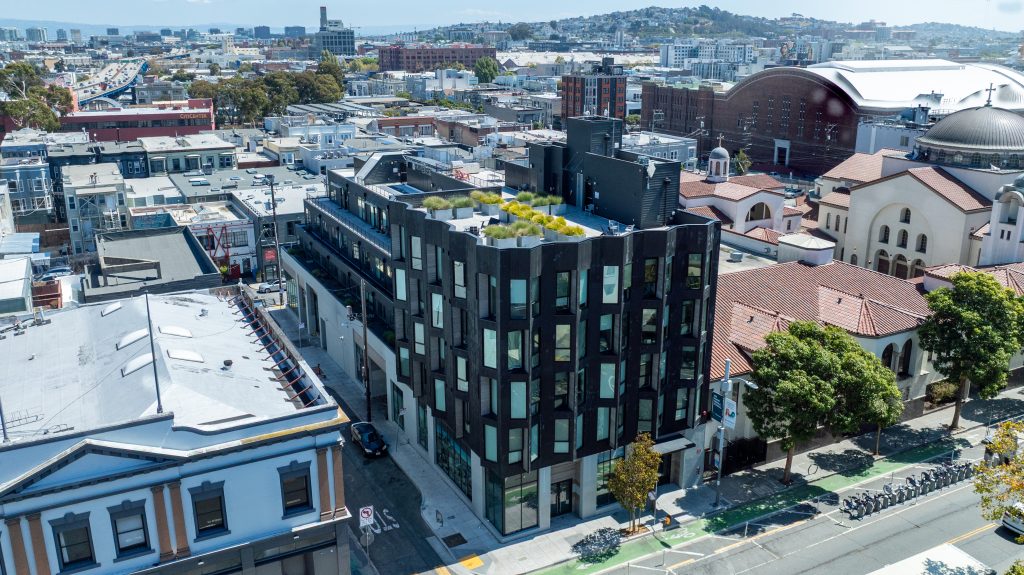
235 Valencia Street
San Francisco, CACalifornia & West + Apartment Buildings
Learn MoreListing Status: Available Listing Type: Highest & best offer Price: $20,000,000 No. of Units: 42 Year Built: 2019 Building Size: 25917 Sq ft Lot Size: 9148 Acres APN: 3532-019B Opportunity Zone: No Price per unit: $476,190 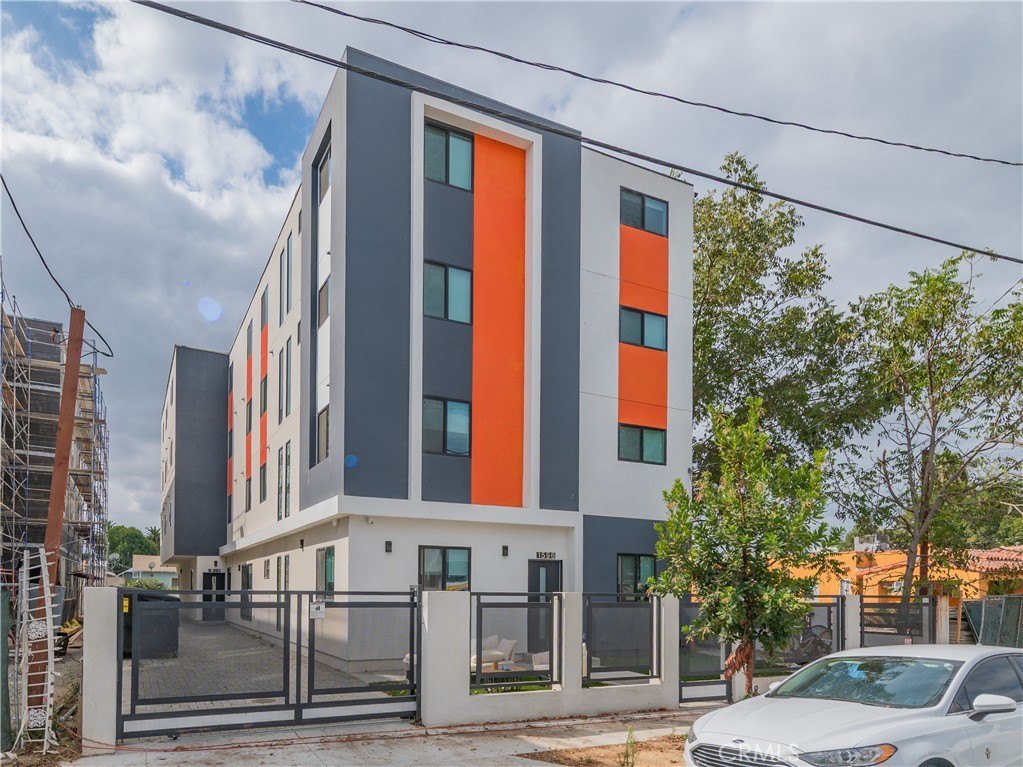
1598 W 36th
Los Angeles, CACalifornia & West + Apartment Buildings
Learn MoreListing Status: Available Listing Type: Call for offers Price: $6,500,000 No. of Units: 45 Year Built: 2025 Opportunity Zone: No Price per unit: $144,444


