



Florida & Gulf Coast CRE News In Your Inbox.
Sign up for Connect emails to stay informed with CRE stories that are 150 words or less.


Q&A: Where Multifamily Owners Are Finding NOI, Efficiency Gains & Tax Advantages in 2025
Today’s renters increasingly demand robust internet access, seamless connectivity, and cutting-edge tech integrations; and owners, investors, and managers are eyeing new and tailored solutions to create NOI, reduce CAPEX, and improve tenant experience and retention.
In advance of Thursday’s Connect Southeast Multifamily conference in Miami where leading multifamily names will dive into these and more hot topics for 2026, we caught up with Rob Norton, VP of Advanced Data Solutions for Granite, to discuss where and how cost savings and increased revenue are being found.
In today’s multifamily environment where cap rates are under pressure but rent growth is resurging in many markets, connectivity-driven NOI (from renter-paid or utility-fee internet) can be a powerful lever. How can owners generate NOI through connectivity solutions rather than just relying on traditional value-add strategies?
In a period where cap rates are tight and traditional value-add strategies have less room to run, owners are looking for levers that reliably move NOI. Connectivity is proving to be one of the most effective—and underused—tools.
High-quality, building-controlled internet doesn’t just improve resident satisfaction. It directly supports the three fundamentals owners track most:
· Occupancy: Reliable connectivity helps drive lease conversion and renewals.
· Rent Performance: Properties with strong digital infrastructure can justify modest premiums or tiered services.
· OpEx: Centralizing network management reduces service calls and eliminates inefficiencies from multiple providers.
For owners, the biggest shift is viewing connectivity as part of the asset—not as a utility bill to pass through. When the property controls the infrastructure, connectivity becomes a predictable, revenue-positive component of operations rather than an unpredictable expense.
With inflation still squeezing margins and utility, energy, and maintenance costs rising, investment opportunities in infrastructure that cut utility bills or streamline operations are more compelling to owners than ever. What infrastructure changes can owners leverage to reduce OPEX related to tenant internet accessibility through smarter, more efficient building systems?
With inflation and rising utility and maintenance costs compressing margins, owners are reassessing where infrastructure improvements can provide lasting savings. Building-wide fiber and Wi-Fi systems are increasingly part of that conversation.
When owners treat connectivity as a capital asset, they gain three advantages:
· Depreciation benefits, similar to other long-lived improvements.
· Reduced operating expenses, because modern networks require less maintenance and fewer third-party vendors.
· A value-add component, since controlled connectivity supports resident service offerings and stabilizes long-term performance.
Instead of shouldering variable monthly ISP fees, owners invest once in infrastructure that lowers OpEx and provides predictable, recurring income from connectivity offerings. This approach improves operational efficiency and positions the property for smarter building systems over time.
Today’s renters expect best-in-class connectivity, in-unit smart features, and seamless digital experiences. How do integrated building systems drive energy savings, reduce manual maintenance, increase ROI — and position a property as a premier option for renters? How can owners leverage integrated connectivity (e.g., fiber, IoT) so that building systems — like HVAC, security, lighting, and access control — work in concert to drive efficiencies, improve tenant experience, and reduce total cost of ownership?
Renters expect seamless digital experiences, but integrated building systems do more than meet expectations—they materially improve building performance.
When connectivity infrastructure is unified—fiber, Wi-Fi, and an IoT layer—the building’s core building systems operate more efficiently. This reduces manual maintenance, improves troubleshooting, and lowers energy usage.
For owners, this creates three clear outcomes:
· Lower total cost of ownership, because smart systems operate more efficiently.
· Better resident experience, which helps with renewals and online reputation.
· New operational and revenue options, such as smart-unit features or flexible workspace connectivity.
Owner-controlled networks allow the property to streamline processes that traditionally involved multiple vendors, outdated wiring, and service delays. The result is a more resilient, predictable, and future-ready building.
Given the evolving landscape of tax incentives — especially for energy-efficient and tech building improvements — are there related tax write-offs or deductions that owner-investors should unlock? Is the Section 179D deduction — aimed at energy-efficient upgrades — a meaningful tool for owners?
Even in an uncertain economic environment, recent federal tax changes have made network and building-technology upgrades far more financially viable for owners and investors. The OBBB restored 100% first-year bonus depreciation for eligible assets acquired and placed into service after January 19, 2025. This allows owners to immediately expense qualifying improvements—such as fiber networks, switching equipment, wireless systems, and other property-wide connectivity upgrades—under Section 168.
For owners, the impact is straightforward:
· Lower first-year costs, because a large portion of the project can be deducted immediately.
· Faster payback, since upgraded infrastructure typically reduces utility spend, vendor costs, and maintenance workloads within months.
· Improved cash flow, as accelerated depreciation offsets the upfront investment.
Projects that once required long ROI horizons now show benefit almost immediately, especially when combined with operational savings and improved resident experience.
One example: a REIT upgrading from legacy systems to modern fiber and wireless realized more than $200,000 in first-year tax savings through accelerated depreciation.
While incentives like Section 179D (for energy-efficient HVAC, insulation, and lighting) can also apply in some cases, the larger opportunity for owners lies in treating connectivity and building-tech systems as qualifying capital improvements that can be deducted immediately and used to streamline operations.
In short, OBBB’s reinstated bonus depreciation transforms building-technology upgrades—from network infrastructure to smart-building systems—into financially accessible investments that support both operational efficiency and long-term NOI growth.
Whether you lend, build, broker, invest, or advise in the multifamily arena, you won’t want to miss Connect Southeast Multifamily on December 4th.If you’re involved in development, repositioning, investment, asset operations, financing, or trading — these insights are designed for you. Take a look at the full event agenda and register now to be in the room on December 4th! www.ConnectSEMF2025.com

Apartment buildings for sale
Check out the latest properties available on apartmentbuildings.com
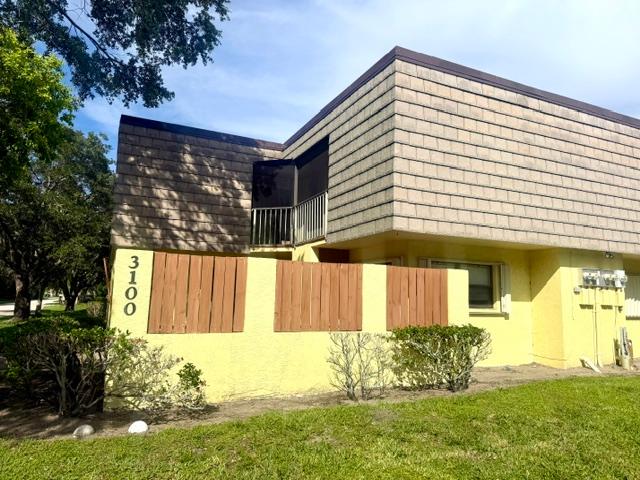
4-Unit Multifamily Property for Sale at 3100-3106 SE Brook St.
Stuart, FLFlorida & Gulf Coast + 2-4 Units
Learn MoreListing Status: Available Listing Type: Highest & best offer Price: $849,000 No. of Units: 4 Year Built: 1982 Opportunity Zone: No Price per unit: $212,250 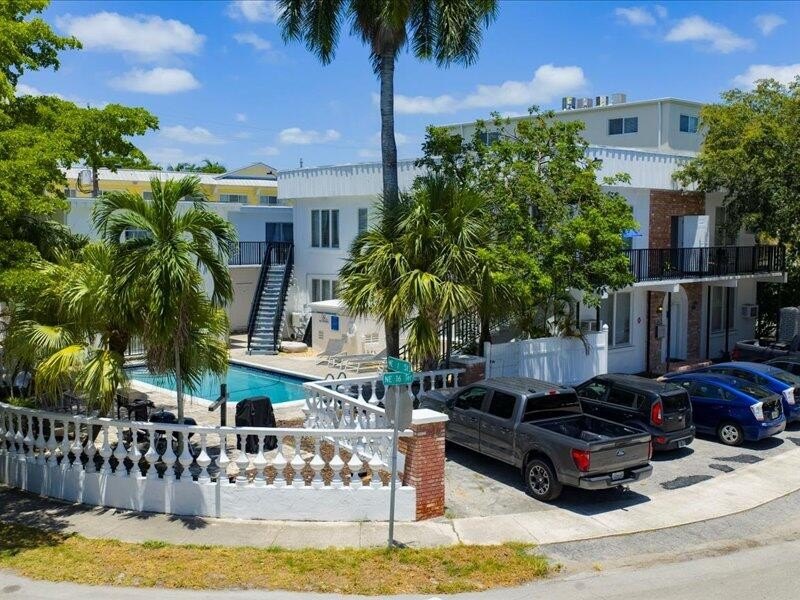
105 NE 16th Terrace
Fort Lauderdale, FLFlorida & Gulf Coast + Apartment Buildings
Learn MoreListing Status: Available Listing Type: Call for offers Price: $3,300,000 No. of Units: 14 Year Built: 1953 Opportunity Zone: No Price per unit: $235,714

