



California CRE News In Your Inbox.
Sign up for Connect emails to stay informed with CRE stories that are 150 words or less.

Q&A Top Lenders & Capital Markets: Investing in the Bay Area
By Dennis Kaiser
San Francisco is known for being a high-cost, high-risk and high-reward real estate market. Competition is fierce, and CRE requires creativity and patience. One of the areas where activity has increased is in the bridge lending space, as older assets are being acquired and repurposed for creative space.
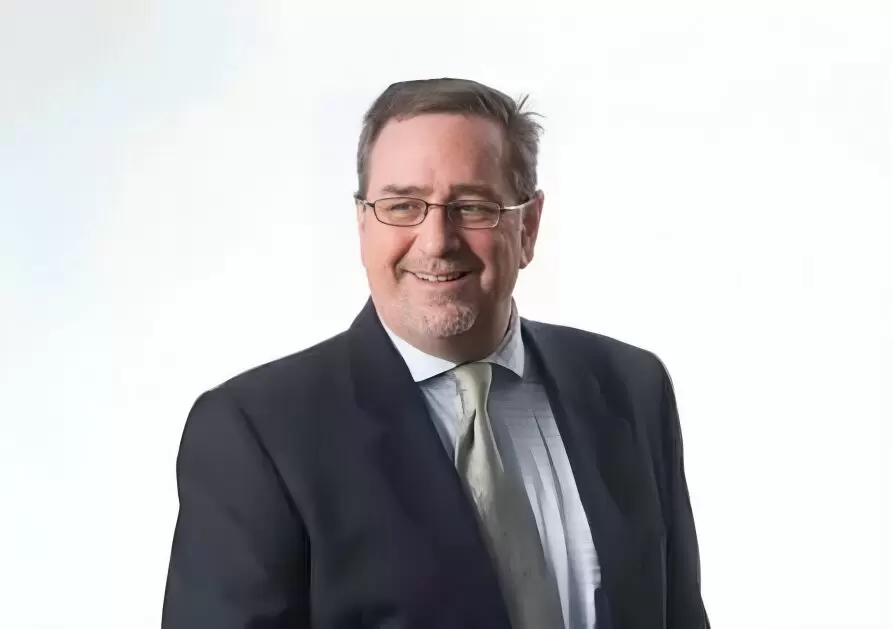
Connect Media spoke with RealtyShares’ Bill Lanting, who heads up commercial debt originations for the San Francisco-based crowd-funding platform, about what is driving the capital markets today, where capital is landing and how the lending environment has changed. Lanting will be speaking at Connect San Francisco on May 9th on a panel that will cover everything from raising capital through long-term investments to bridge lending and more.
Q: What are the major trends shaping today’s capital markets? What are a few of the high-level factors driving the lending marketplace?
A: The two most significant factors in lending right now are: (a) Rising interest rates (obviously); and (b) The prospect of a repeal or softening of the Dodd-Frank Wall Street Reform and Consumer Protection Act, and its related risk retention rules. Industry pundits have discussed these two factors to death. But what is less-discussed is the Fed’s plan to reduce its asset holdings, including mortgage-backed securities.
This policy of “Quantitative Easing” expanded the Fed’s balance sheet from less than $900 billion before the financial crisis to about $4.5 trillion today, including $1.8 trillion in mortgage-backed securities. (Think Freddie Mac, Fannie Mae, etc.). The Fed stopped buying large quantities of these assets in October 2014. Since then, it has kept the size of its balance sheet constant, buying just enough to replace maturing securities. But that is now changing, as the Fed indicated that it may start actively reducing its holdings of these assets. This change of policy will result in a reduction in the amount of money available to banks for lending purposes, and additional upward pressure on interest rates.
Q: What do lenders look for when placing capital? Who’s got the money and where does it want to be placed?
A: Those are two very different questions. Lenders look for an appropriate risk-adjusted rate of return for their investments. (Well, to be perfectly honest, we all secretly yearn for better-than-risk-adjusted returns). As we advance further and further into the later innings of this economic cycle, the risk increases because the default risk increases as we get closer and closer to a market correction. So, the smart money is planning accordingly, in many cases shortening the terms of their short-term bridge loans in order to avoid the precipice.
In answer to the second question, bridge lenders are having a field day right now. As borrowers mature out of their 10-year CMBS loans that were originated in 2005 to 2007, they are flocking to short-term lenders for an interim source of funding, while they prepare for asset sales closer to the end of this economic cycle. (This has led to a plethora of lenders moving into the floating-rate, LIBOR-based bridge lending arena). With an increased supply of lending opportunities, many lenders are focusing on quality. More-and-more, we will see increased “red-lining” of lending for certain asset classes…which is why hotel loans are becoming scarcer than hen’s teeth.
Q: Let’s compare today with the past few years. How and why has the lending environment changed? What does that mean for borrowers and for lenders?
A: Three years ago, bridge lenders could make a very good living offering short-term loans in the 10 to 12% range (a neighborhood typically reserved for hard-money lenders). A year or so ago, 8 to 10% rates became more the norm. But, today, the hottest competition is in the sub-7% space, as more and more private lenders get comfortable with leveraging their loan portfolios. This is not necessarily the most prudent strategy this late in the economic cycle, but prudence seems to have been replaced by courage as the most-favored virtue.
 Subscribe to Connect Daily California
For comments, questions or concerns, please contact Dennis Kaiser
- ◦Financing

