



California CRE News In Your Inbox.
Sign up for Connect emails to stay informed with CRE stories that are 150 words or less.


Q&A: Inland Empire Rent Growth with Alex Mogharebi
Connect Apartments is planned for September 28th in Los Angeles. Here’s where to get more information and register.
By Dennis Kaiser
The Inland Empire multifamily market is exhibiting the strongest rent growth across SoCal. Connect Media asked one of the market’s top investment brokers, The Mogharebi Group’s Alex Mogharebi, to share what’s behind that growth, advice he has for investors and what he sees ahead. Here’s what he had to say in our latest 3 CRE Q&A.
Q: What are the biggest drivers contributing to that growth?
A: The Inland Empire’s strong rent growth has been driven by increased demand from new residents who have been priced out of the coastal markets, and new household formation from existing residents, coupled with strong wage and job growth. Over the last year, this market has seen an impressive reduction in the unemployment rate, outpacing national and state trends. New jobs have been fueled by the construction sector that has grown about 8% year-over-year. This growth has primarily been driven by continued investments in the logistics sector.
Q: What advice do you have for multifamily investors interested in the Inland Empire, given the current market fundamentals?
A: Investors should look at submarkets along public transit expansions into the Inland Empire. These extensions are making those areas more attractive to commuters. The Gold Line extension will serve the Pomona Valley, and offer residents a 75-minute trip from Montclair to Downtown L.A. The recent Perris Valley extension is estimated to have created over 4,000 new jobs. The most affordable areas of the Inland Empire, including San Bernardino, Perris, Hemet, Lake Elsinore, Desert Hot Springs, Coachella, and Indio, have recently experienced robust growth that is expected to persist through the near future.
Q: What type of opportunities does the Inland Empire multifamily market offer investors? Should they wait to invest, or is there still room to capture good deals? What should they watch out for?
A: Demand for new apartments continue to outpace supply, thus rents are expected to continue their upward trend. The most affordable regions are the best positioned to provide strong rent growth due in part to the minimum wage that is structured to increase at over 5% per year through 2022. Investors should invest in these areas to take advantage of the income growth and lock a low interest rate. For instance, we are seeing some opportunities in select submarkets to get newer buildings at well below replacement cost, while still having upside in rents.
For comments, questions or concerns, please contact Dennis Kaiser

Apartment buildings for sale
Check out the latest properties available on apartmentbuildings.com
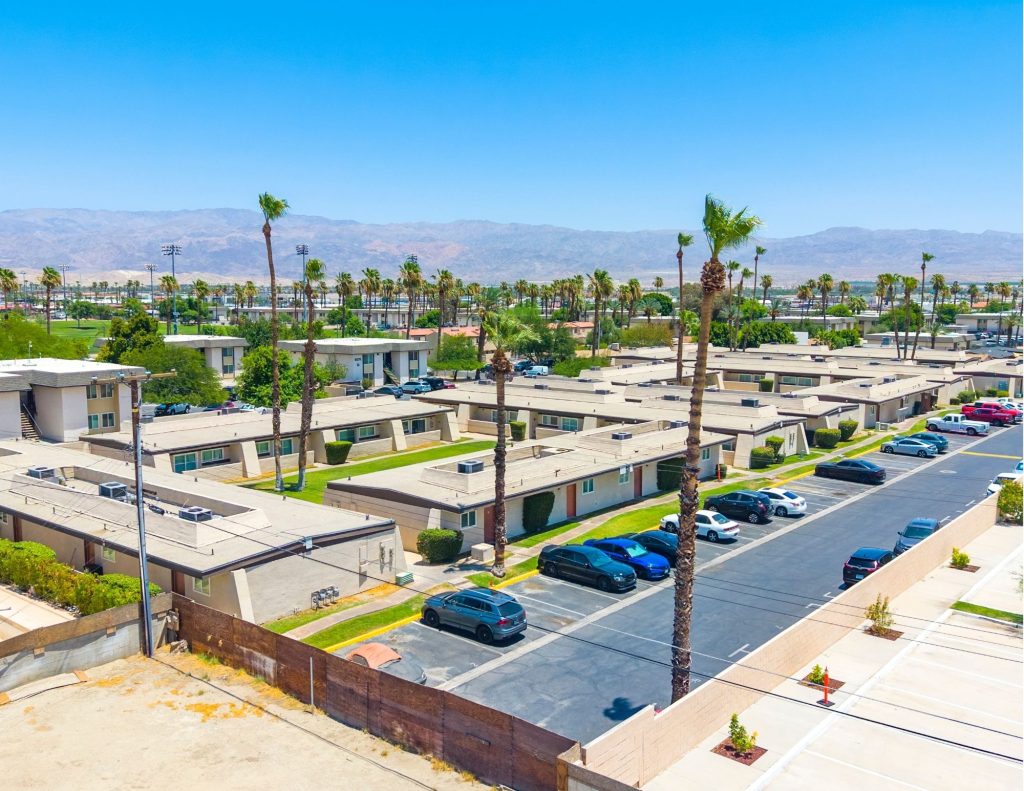
Casa Serena Apartments | Multifamily Property in Indio, CA
Indio, CACalifornia & West + Apartment Buildings
Learn MoreListing Status: Available Price: $8,400,000 No. of Units: 51 Cap Rate: 6.61 GRM/GIM: 9.13 Year Built: 1982 Building Size: 29376 Sq ft Lot Size: 106286 Acres No. of Stories: 1 APN: 612-064-001 to 612-064-052 Opportunity Zone: No Price per unit: $164,705 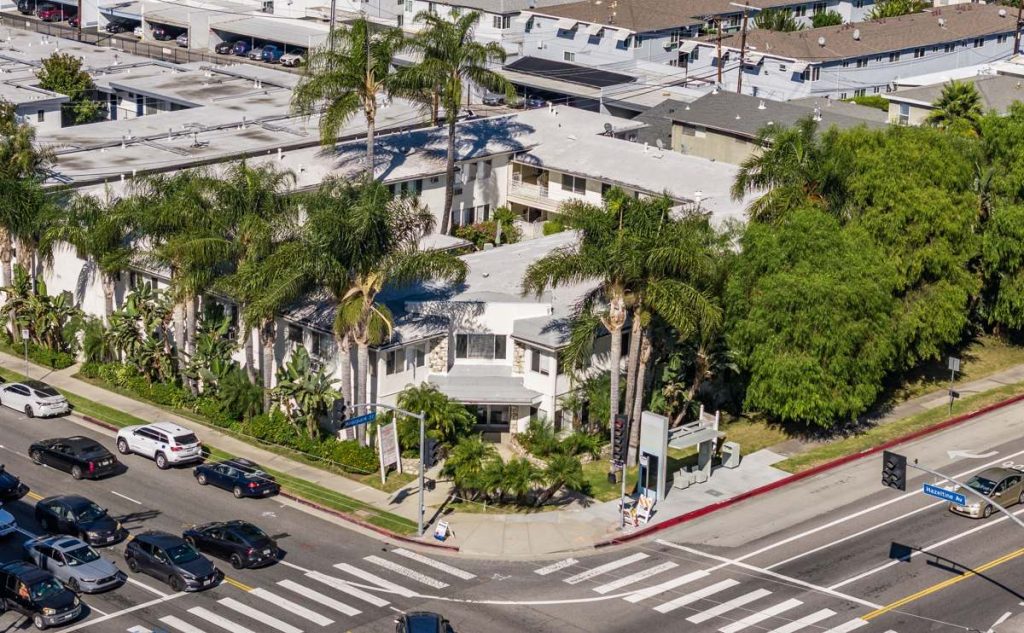
SFR Investment Property Forest Grove OR | 1270 Pacific Ave. 97116
Los Angeles, CACalifornia & West + Apartment Buildings
Learn MoreListing Status: Available Price: $7,490,000 No. of Units: 30 Cap Rate: 5.13 GRM/GIM: 11.39 Year Built: 1956 Building Size: 20182 Sq ft Lot Size: 0.55 Acres Opportunity Zone: No Price per unit: $249,666


