



California CRE News In Your Inbox.
Sign up for Connect emails to stay informed with CRE stories that are 150 words or less.
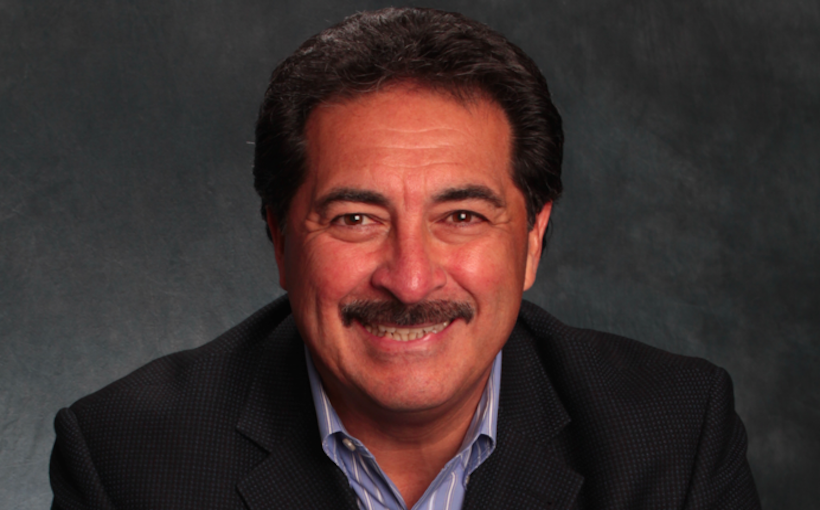

Q&A DAUM’s Dennis Sandoval: Small Industrial Users Adapt to Increased Demand
By Dennis Kaiser
Industrial vacancies in some areas of SoCal have reached the 1% to 2% range, and many users are struggling to find space. In addition, with skyrocketing land costs, most new developments exceed 100,000 square feet, which further limits opportunities for smaller users, says DAUM Commercial Real Estate Services’ Dennis Sandoval.
Connect Media asked Sandoval, who is currently marketing a new development in the City of Industry comprised of seven for-sale industrial buildings ranging from 27,400 to 43,200 square feet, about current market trends and how smaller users are coping.
Q: What trends in the market are driving the demand for smaller industrial developments? Do you anticipate that we will see more of these developments in LA going forward?
A: This is a situation of an extreme lack of supply and significant demand. In certain in-demand infill industrial submarkets, such as the San Gabriel Valley, small industrial product vacancy is less than 1%.
That said, it’s a challenge to bring small product to market. The cost to build one 100,000-square-foot building is significantly lower than building four 25,000-square-foot buildings. Further, with an extremely limited number of land sites available and land costs averaging more than $30-per-square-foot, developers would much rather cover 50% of land than 40%.
Based on these factors, free-standing small industrial buildings are not likely to become the first choice of developers in this market.
However, with tremendous demand from many companies seeking space in this tight market, those who can justify the cost to develop small industrial product are likely to achieve attractive returns.
Q: How have smaller industrial users in Southern California coped with the lack of new building developments suited to their needs?
A: Users seeking industrial buildings in the 20,000- to 40,000-square-foot range are facing incredibly tight vacancies, requiring these businesses to identify creative solutions.
Many industrial tenants are taking advantage of warehouse and distribution centers that are designed to allow several users to share space on a flexible basis.
In addition, industrial users that want to own buildings of this size face even lower vacancies than those who lease. Some businesses are combatting this by forming LLCs or general partnerships with each other, in order to share ownership of larger, divisible buildings.
This is a successful strategy for some owner-users, as it provides them with the opportunity to own the right amount of space to accommodate their needs. That said, shared ownership can lead to operational challenges down the road, especially as companies grow. Smart business owners will anticipate these shifts and address them early.
Q: The project you are working on is offering for-sale as opposed to for-lease industrial buildings. Why was this strategy best for this site, and how does this reflect current shifts in the market?
A: This site is being developed in a market where demand for ownership far exceeds supply. The developer, Dedeaux Properties, made the strategic choice to build the product and offer it for sale to meet an underserved segment and maximize the underwritten value of the land.
Many of these users are small businesses that have made property ownership a goal, and in many cases part of their retirement plan. As industrial lease rates continue to climb, monthly rent payments have surpassed mortgage payments in many cases, fueling tremendous demand for property ownership in the small industrial sector.
For comments, questions or concerns, please contact Dennis Kaiser
- ◦Development
- ◦Sale/Acquisition


