



National CRE News In Your Inbox.
Sign up for Connect emails to stay informed with CRE stories that are 150 words or less.


Q&A with Colliers’ Will Mathews: Multifamily Still on Investor Radars
With multifamily being the choice of investment for many buyers, we have been wondering if there is an end in sight for this sector. To get a better idea of what’s going on with apartments and units, Connect Media sat down with Will Mathews, Senior Vice President, Principal of Colliers International’s Atlanta office, as well as head of the company’s Multifamily Advisory Group/East Region.
Q. What is happening with the multifamily sector these days?
A. Multifamily investment opportunities is still a preferred strategy for investors. Demand for rental housing remains strong, with the most significant renting cohort group (millennials) experiencing record employment and wage growth. We anticipate continued optimism within the space. I do not believe we have a risk of overbuilding, as demand drivers continue to outpace supply. Forecasts anticipate 2018 to be a peak year for new deliveries, but the additional units compared to previous years is minimal. Zoning, entitlements, and regulatory oversight have created headwinds restraining new development. A majority of the supply has delivered in major markets – we still see new development opportunities in suburban locations within primary markets, as well as opportunities in secondary and tertiary markets. Absorption velocity remains above average nationally.
Q. Which metros are strongest when it comes to multifamily investment?
A. The Interstate 4 corridor in Central Florida continues experiencing record employment growth. Historically, retirees and baby-boomers have flocked to Florida for the climate, quality of life and state income tax advantages. Now, millennials are the driving force behind accelerated growth, making Tampa and Orlando economically diverse and a bellwether for investment. Markets experiencing more than 4% rent growth and ample employment growth are Atlanta, Phoenix and Seattle. Richmond (Virginia) is an up-and-coming market experiencing little new supply, record rent and employment growth. There’s a consistent balance between the public and private sectors. Richmond is also a highly-educated workforce with many colleges and universities as feeder systems for the local economy. In years past, fewer jobs were available, leading top-tier graduates to move north to D.C., New York or elsewhere to find employment. Now, many of them stay in Richmond.
Q. What is your forecast for 2018?
A. We continue to believe a majority of markets have attractive fundamentals, and 2018 will be another year of opportunity. There is still a flood of capital chasing yield, and value-add remains the investment strategy of choice for a majority of multifamily buyers. Because value-add yields have been compressed to a level nearly comparable with core and core-plus, we anticipate a larger buyer pool for those assets in 2018. With the rise in the 10-year treasury over the past 60 days, we’re in an environment that places more pressure on pricing. It’s too early to tell, but investors will either accept lower returns or accept the same returns and wait for pricing to catch up.
For comments, questions or concerns, please contact Amy Sorter

Apartment buildings for sale
Check out the latest properties available on apartmentbuildings.com
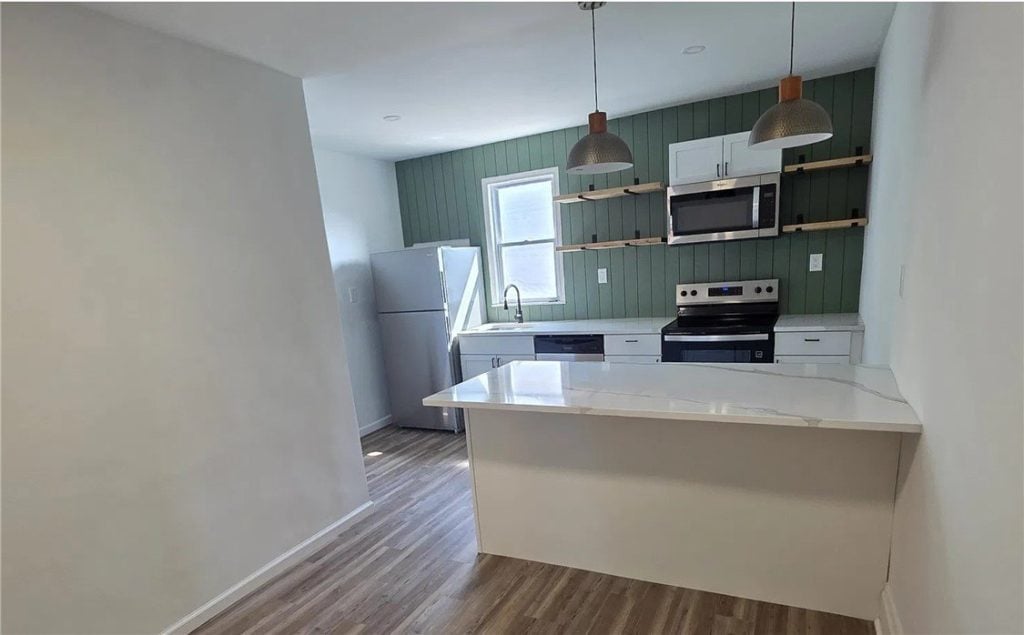
93 Beltzhoover Ave
Allentown, PANew York & Tri-State + 2-4 Units
Learn MoreListing Status: Available Listing Type: Call for offers Price: $266,500 No. of Units: 2 Year Built: 1900 Opportunity Zone: No Price per unit: $133,250 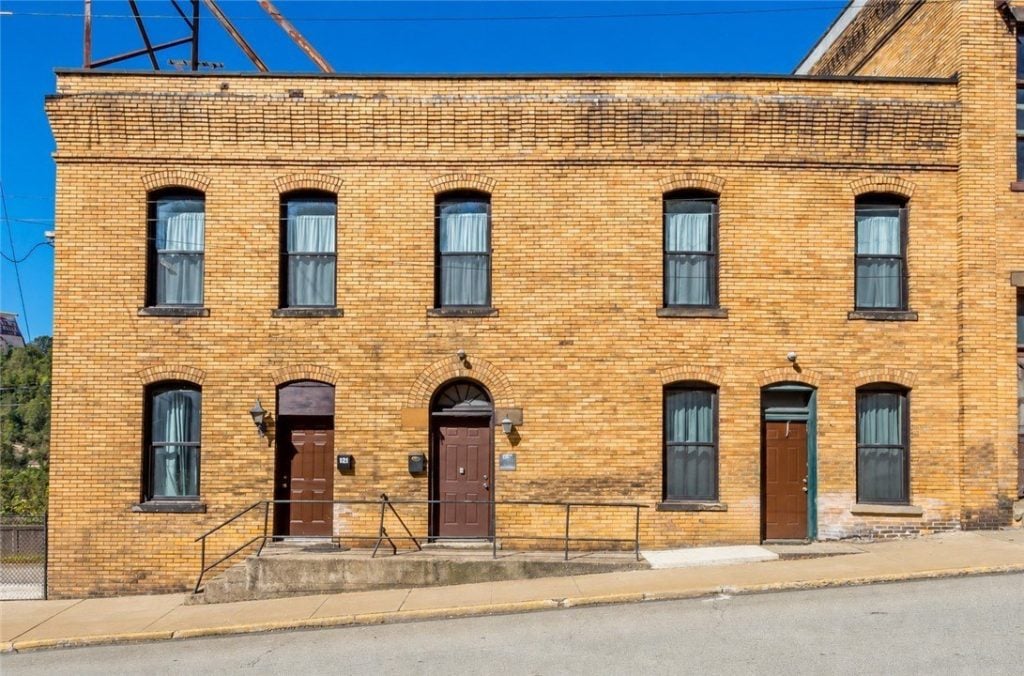
121-125 Market St
Brownsville, PANew York & Tri-State + 2-4 Units
Learn MoreListing Status: Available Listing Type: Call for offers Price: $289,900 No. of Units: 2 Year Built: 1900 Opportunity Zone: No Price per unit: $144,950


