



California CRE News In Your Inbox.
Sign up for Connect emails to stay informed with CRE stories that are 150 words or less.


Preparing for Micro-Mobility, SoCal CRE Gets On-Board
By Dennis Kaiser
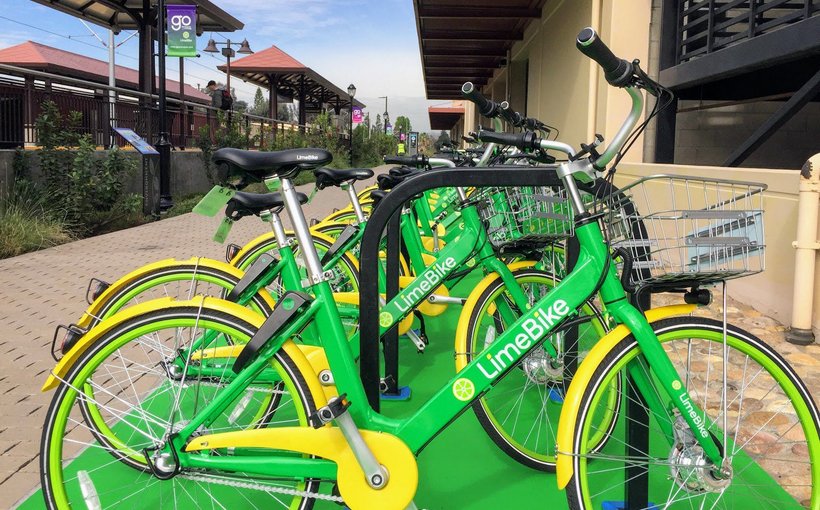
Cities across SoCal are beginning to consider relaxing parking requirements in retail corridors because of the “micro-mobility” innovations like the use of Bird scooters and public bikes. In fact, to encourage a more walkable downtown shopping district, the City of Santa Monica has consciously been lowering parking requirements for downtown retail.

Geoff Tranchina
JLL’s Geoff Tranchina, executive vice president, shares what is driving this shift to reduce parking and why that has spurred development while creating more cohesive retail districts.
Q: What is behind the lowered parking requirements?
A: Urbanization, with close to 50% of the world’s population living in cities by 2025, is behind the lowered parking requirements. City governments are finally beginning to recognize the impact that both micro-mobility and ridesharing companies like Uber and Lyft are having on their planning effort, and how those impacts are changing consumer demand for onsite parking. In looking at Uber’s and Lyft’s recent S-1 filings, you see that the majority of their trips are three miles or less. For Uber, over 20% are one mile or less, highlighting why Bird hit 10 million rides within 320 days and Lime hit that same number within 400 days. The pace of growth in this segment is staggering, and we are just at the beginning of how these multi-model means of transportation are going to change our lives.
Q: What affect will this have on both new and existing projects?
A: We believe that this trend is going to have a meaningful impact on both projects in all phases of development and existing projects, and ultimately will put downward pressure on the amount of parking being built and how that parking is designed. Medium to long-term, you could see meaningful impact on the value of existing parking structures, as transportation moves rapidly down the path to automation.
Q: How can owners/developers prepare for this trend? Or should they?
A: JLL’s property management and leasing teams are already talking with clients about efficient ways to integrate/create spaces for both micro-mobility vehicles, as well as convenient dropoff/pickup for rideshare drivers. For new projects specifically, developers might consider how they are designing their structured parking with the potential for future repositioning of that space into more productive GLA or common areas.
For comments, questions or concerns, please contact Dennis Kaiser

