



National CRE News In Your Inbox.
Sign up for Connect emails to stay informed with CRE stories that are 150 words or less.


Planning The Unexpected Merchandising Mix
By Dennis Kaiser
Incubator retailing, specialization, flash retail, or inspired marketplaces are quickly evolving into a growing norm that centers around creating a dynamic merchandising plan. This segment of the retail sector is marked by shorter leases, more shared spaces, as well as more short-term stores. Colliers International’s Anjee Solanki shares insights into what these deals are about, what’s driving this shift, as well as some examples of unexpected merchandising plans that she thinks actually work.

Anjee Solanki
Q: What are some of the characteristics of these types of retail deals?
A: First off, there’s no defining this segment, rather its an organic and yet purposeful plan to merchandise buildings or marketplaces with brand experience concepts. Yes pop-ups, limited edition test stores or concepts that offer an educational element or deliver brand awareness, all fall within this category. Simply put, these shops create interest.
As we see retailers becoming cautiously optimistic, they are requesting shorter term deals. Terms requested can range from less than one year to three years, with capital investment by the tenant varied depending on the delivery condition of the space, the length of term, and whether the tenant is new to brick and mortar (i.e., online) or a mature brand (i.e. lululemon athletica), which may spend more for strong brand presence. For retailers, this growing trend allows them to test the product in multiple, yet specific markets to collect customer feedback (in store and through social mediums) to identify the best of the best. Based on the feedback, the retailer can refine the product. In some instances, shorter term deals could equate to preferred economics for the retailer, reducing the overall occupancy costs.
On the other side of things, new to market concepts bring landlords a list of pros and cons. While many landlords still struggle with shorter term deals due to valuation impact or reduced rent structure, many more have become more open to the concept. If done with purpose, meaning, an identified area or zone that is branded to house unique, one-of-a-kind shops for the shorter-term, customers will always be curious of what’s there and what’s to come.
Q: Why are these users emerging in the marketplace today? Please share some of the factors driving their growth.
A: Online retailing has become much more competitive than in the past, thus becoming one of the driving forces behind the concept. By having a storefront in an extremely busy market with heavy footfall, retailers can bring more attention to their brand and merchandise. The full cycle of offline to online marketing starts when retailers capture customer information when they step foot into the store, which is then converted into online information marketing. This opens up ripe opportunities to test the product/merchandise and solicit immediate feedback while continuing to dig deeper in the conversation, and the customer becomes aware of the brand far faster. It also provides a window to capture demographic data that can be utilized to continue the engagement with the customer digitally.
Also, the opportunity to create a marketplace of unique goods and brands within an architectural building that integrates the building’s charm, history, and quirkiness, is much more desirable by brands and by customers. It elevates the overall experience, rather it be shopping, socializing, or browsing. We have become a society who is longing for something different.
Q: What are some examples of locations or retailers that reflect best practices?
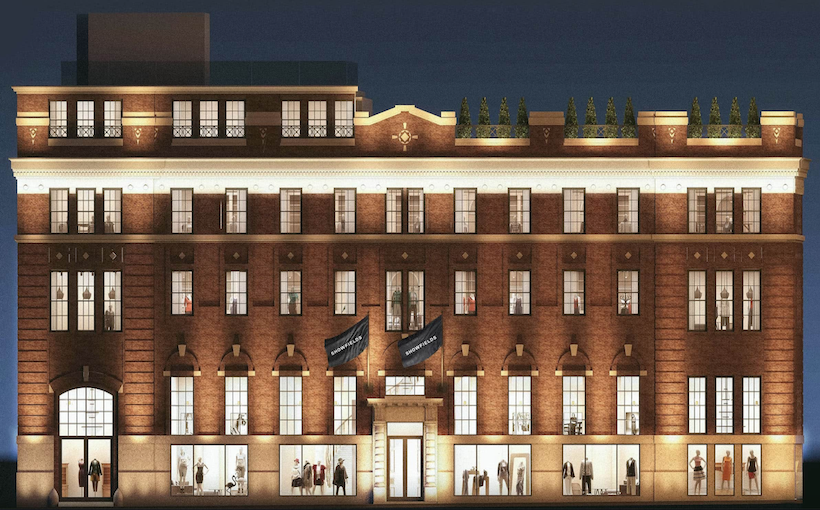
– Showfields https://www.showfields.com: (pictured) The concept built upon ideas and curiosity brings a diverse experience at Showfields in New York, drawing from brands and building on community. It’s a discovery of new, all in one place.
– Ponce City Market https://poncecitymarket.com/type-directory/shops/: Owner Jamestown has introduced unique tenants, such as Casper, Citizen Supply, Chubbies, and Google Fiber. I personally visited the project and discovered it provides special experiences for consumers—whether it’s heading to the roof in the exclusive elevator for views and a drink, to enjoying a progressive food path, to pausing in stores where the makers share their craft.
– Doce 18 http://doce-18.com/: My personal favorite. It is a concept house in the heart of San Miguel de Allende, Mexico that provides home, art, food, and apparel. Not only do you fall in love with the historic architecture, the meandering stores under one roof create an experience that is unforgettable. People-watch or be seen.
– Santana Row http://www.santanarow.com/: Located in San Jose, CA, the mixed-use project’s distinctive examples include Native Shoes, Makers Market, Bonobos, and Netgear, which were created first to market the site for other retailers. Its ‘main street’ vibe and strong density/demographics make it a perfect location to solicit feedback.
For comments, questions or concerns, please contact Dennis Kaiser


