



National CRE News In Your Inbox.
Sign up for Connect emails to stay informed with CRE stories that are 150 words or less.

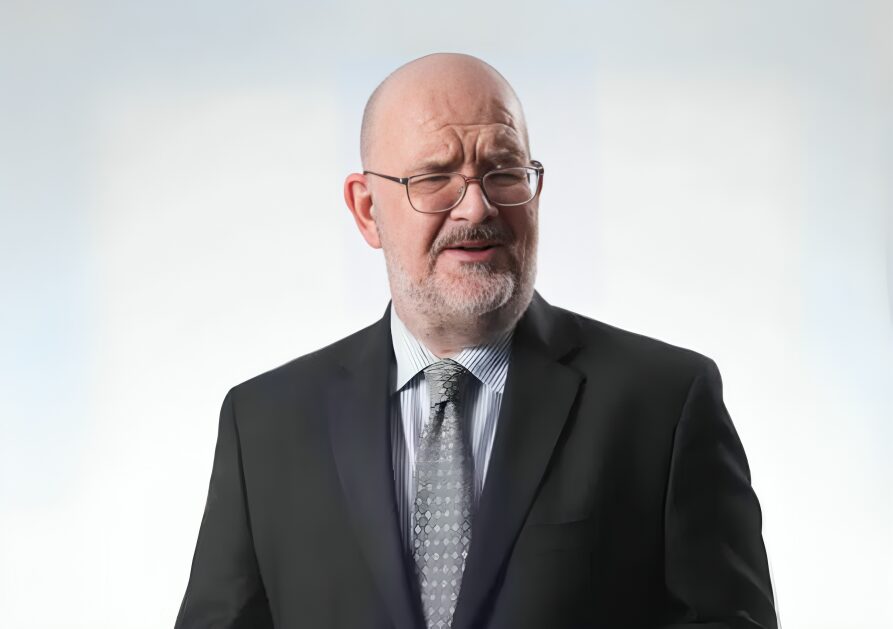
Partner Engineering & Science, Inc. Webinar: Avoid “Potential Minefield of Liabilities” in Foreclosures
By current industry estimates, up to 50% of commercial property loans may be subject to some sort of forbearance, said Kathryn Peacock, national client manager at Partner Engineering & Science, Inc., during the firm’s Sept. 1 webinar on pre-foreclosure due diligence.
Given that high rate of forbearance, coupled with the current economic uncertainty in the COVID-19 pandemic, it’s likely that we will soon see a wave of foreclosures, Peacock said. Accordingly, Peacock and Akin Gump partner David Quigley stressed the importance of preparation for lenders before taking problem loans to this stage.
“There’s a potential minefield of liabilities to avoid,” said Peacock.
Among the landmines that might be encountered is culpability for environmental issues associated with a property. Under the Comprehensive Environmental Response, Compensation, and Liability Act (CERCLA) enacted by Congress in 1980 and commonly known as Superfund legislation, “the roster of people who can be held liable is quite broad,” Quigley said.
Stringency is a must when performing due diligence under these conditions. Peacock cited a Partner study comparing Phase I environmental assessments to limited assessments: the latter missed RECs, or recognized environmental conditions, 10% of the time.
Environmental concerns aren’t the only consideration. On a loan for a stalled construction project, there’s a need to evaluate the economic viability of the project and the status of the site, including how long the site has been idle.
“Things can go downhill fast when the work stops,” said Peacock.
The pandemic—itself the source of much of the economic distress underpinning the potential foreclosure wave—has been a new hurdle to overcome in conducting due diligence. Among other things, it can limit access to the property and therefore hamper information-gathering. Quigley observed, “COVID has definitely required us to open a new bag of tricks in many cases.”
Above all, Peacock and Quigley said it’s important to emphasize clear communication among all parties to the due diligence process. More information on the hour-long webinar, which will be available for replays, can be found here.
For comments, questions or concerns, please contact Paul Bubny


