



New York & Tri-State CRE News In Your Inbox.
Sign up for Connect emails to stay informed with CRE stories that are 150 words or less.



PACE Loan Group’s Loren Biller: C-PACE Loans “Solve Problems”
Commercial real estate investment sale volume has increased in the past few months, yet a gap remains between buyer and seller pricing expectations. The continuing bid/ask spread is just one of the hurdles that dealmakers face in completing transactions, as you’ll hear during the “Opportunistic Capital: Financing & Deals Crossing the Finish Line” discussion at the in-person Connect New York Apartments Investment & Finance 2025 event on Oct. 23. Getting a handle on debt and equity can make a big difference in determining success, and C-PACE (Commercial Property Assessed Clean Energy) financing has come to the fore as a means of completing the capital stack. Here, Loren Biller, SVP of Originations at PACE Loan Group and a panelist for the “Opportunistic Capital” discussion, provides a status report on C-PACE’s current acceptance and usage in the New York City market.
Q: There’s a growing focus on creative capital stacks and alternative financing solutions. How is PACE financing being used in the current market to help make multifamily deals viable in New York?
A: I often jokingly tell people the “C” in C-PACE stands for “Creative.” (It actually stands for “Commercial”). But really, my loans solve problems. We do everything from filling in senior loan proceeds gaps, to blending down the cost of high yield bridge debt, to covering cost overruns, and more. On a recent deal, our funds were used to pay down a sponsor’s senior loan and free up a relationship lending limit with a bank for other projects. And specific to NYC, we are getting a ton of requests to finance Local Law 97 work in NYC. That is a huge growth area for us.
Q: How are lenders and equity partners responding to the growing presence of PACE financing in deals?
A: I closely track C-PACE “Consenting Lenders”. For T-12 (September), my team saw a 21% Y-O-Y uptick in the number of deals closed with new Consenting Lenders. On top of that, we’ve had 108 new lender engagements in the same period. Local banks and credit unions still dominate the C-PACE space (56% of all deals), but we’re seeing a material increase in private money / debt funds getting involved in C-PACE deals, now at about 18-20% of the market.
On the equity side, everybody wants to talk. When you’re trying to get a project done, these days you have to consider every capital source. More and more people are bringing C-PACE into their deals, and it’s reflected in our production numbers.
Q: As we’re navigating today’s tighter capital markets, what are your thoughts on lender sentiment and deal flow as we near EOY and look towards 2026?
A: Qualitatively, our Q4 has been incredibly busy, as borrowers try to get financing in place before year-end. My counterparts on the senior mortgage and mezzanine side are busy too: laser-focused on higher quality credits. As those trades become more crowded, that bid-down will show up as reduced fund returns, so you should see a marginal reduction in capital inflows. Lately, I’ve met some new entrants into the repo or “back-leverage” market. That business is ripe for disruption; until recently, money center banks dominated the space, with the occasional regional bank or Lifeco here and there. Now, foreign banks with US offices and even some PE-backed groups are working on getting exposure to this paper.
Q: What are some of the misconceptions regarding PACE financing? What should owners or developers understand about its potential as a long-term, fixed-rate solution?
A: One big misconception is that you have to build a LEED-certified project, Passive House building, etc. to qualify for C-PACE. But many standard capex items can be financed. A lot of modern building materials and components are energy efficient by virtue of the way they are manufactured. Another misconception is that the funds are only for new construction. In reality, most C-PACE states have a “lookback” period, where if the improvements were made within a certain timeframe, I can advance funds retroactively.
Q: Are you seeing more institutional investors or larger sponsors turning to PACE as a mainstream financing tool, or is adoption mainly driven by more entrepreneurial groups?
A: C-PACE’s early adopters were generally “mom-and-pop” developers, as you might expect for a new or innovative product. “New” is perceived as “risky,” and risk management is front and center for a lot of institutional platforms. And rightly so, since they generally have more capital at stake in terms of absolute dollars. Now that C-PACE has matured, larger platforms are taking a harder look. We now have the stuff that big capital requires: a robust track record, tons of case studies and success stories, and a lot more data points to help rationalize C-PACE as a solution.
Q: With CRE pricing beginning to stabilize but expectations between buyers and sellers still misaligned, how are you seeing this dynamic play out in New York’s multifamily market right now?
A: Believe it or not, NYC multi trades are definitely happening. Year-to-year Q1 sales in NYC are up 50-60%, depending on which market report you read. From what I’m hearing, the most active buyers right now are private, low-leverage investors. Institutional people are way more sensitive to capital markets, which makes sense when you’re underwriting with fund life considerations. Nobody is out raising 20-year money! But local investors, family offices and the like are a different animal. They might be able to rationalize a premium, and writing a big equity check, knowing they are holding forever.
Join industry leaders on October 23 at Connect New York Apartments Investment & Finance to delve into adaptive reuse strategies, distressed property outlooks, and the evolving dynamics of New York’s multifamily market. Gain insights into navigating policy changes, securing capital, and identifying opportunities in today’s complex real estate landscape.
- ◦Financing

Apartment buildings for sale
Check out the latest properties available on apartmentbuildings.com
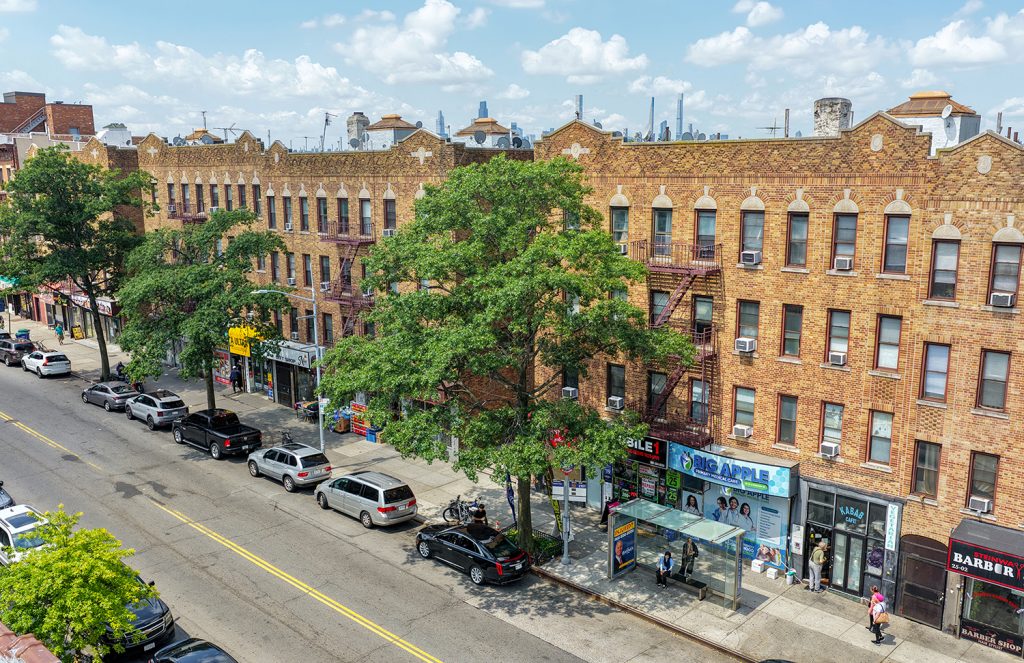
Apartment Property for Sale in Astoria at 25-12 Steinway Street
Astoria, NYNew York & Tri-State
Learn MoreListing Status: Available Listing Type: Distressed sale No. of Units: 37 Building Size: 30132 Sq ft Opportunity Zone: No 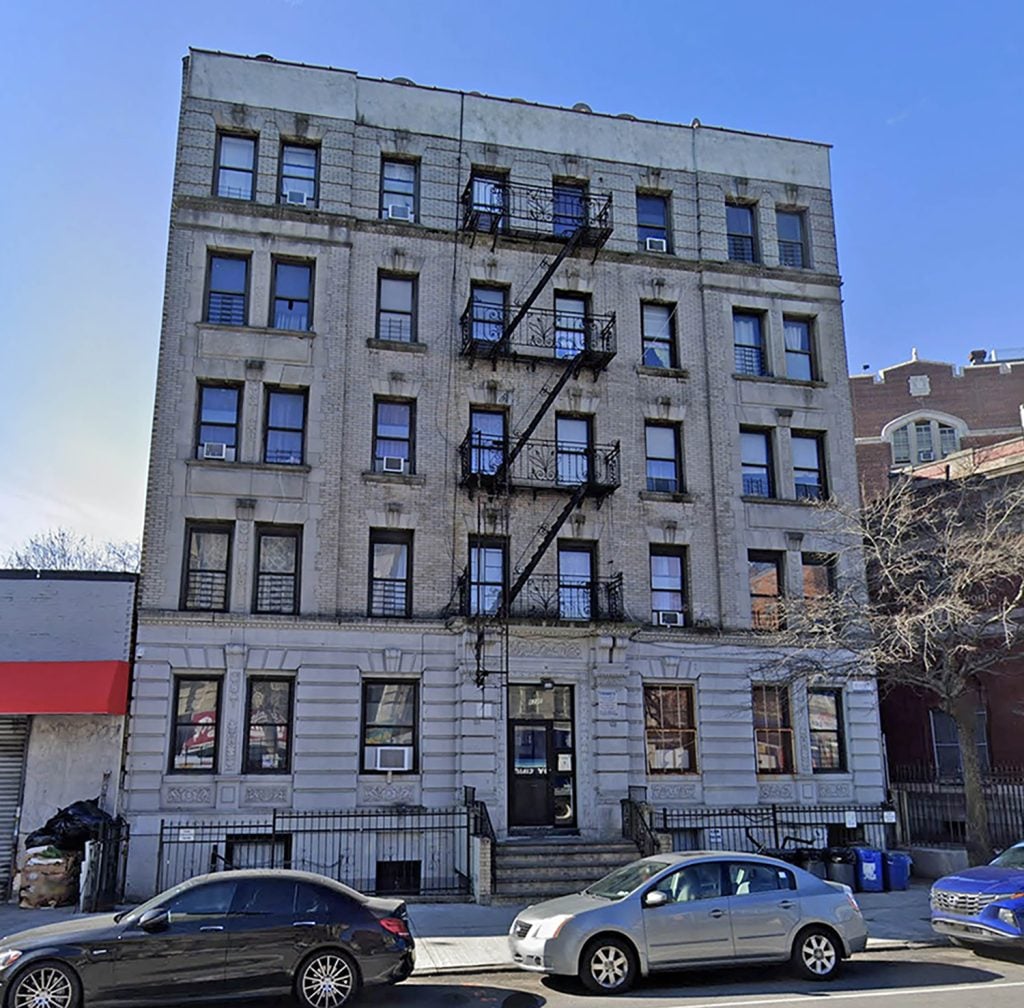
REO | 23 Units Multifamily Property
New York, NYNew York & Tri-State
Learn MoreListing Status: Available Listing Type: Auction Price: $450,000 No. of Units: 23 Year Built: 1906 Building Size: 25790 Sq ft Lot Size: 6653 Acres No. of Stories: 5 Opportunity Zone: No Price per unit: $19,565


