



National CRE News In Your Inbox.
Sign up for Connect emails to stay informed with CRE stories that are 150 words or less.

Opportunity Zones and Secondary Markets: Q&A with Walker & Dunlop’s Keith Melton
Walker & Dunlop Inc. recently arranged a $21 million construction loan for Kodak Crossing in Kodak, TN. The developer, VITA Development Group Inc., is building a multifamily property in the bounds of Sevier County, a designated Opportunity Zone in the state of Tennessee. In addition, the transaction was one of the first O-Zone properties financed with a United States Department of Housing and Urban Development (HUD) 221(d)(4) loan.
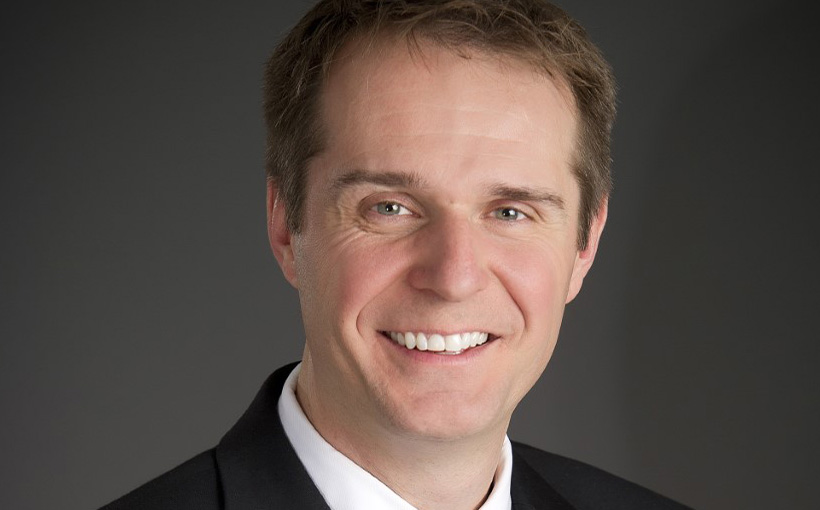
Keith Melton and David Strange with Walker & Dunlop arranged the loan, and Melton discussed the transaction in further detail with Connect Media.
Q: Kodak, TN could be considered a “secondary market” when it comes to Opportunity Zone development. How does doing a HUD deal here differ from a deal in a primary market?
A: When the Opportunity Zone program was first announced, we spent time trying to understand the nature of it, and the benefit. We found that the time frames of the O-zone program match up very well with the HUD loan programs. Coincidentally, three or four months ago, of the 35 loans we had planned or were processing, 15 to 16 of those were in Opportunity Zone census tracts. What I’ve told everyone about developing in those zones is that you must first ask, “is it good real estate?” Second, can that development attract cheaper equity? And finally, are drivers in place to support such development?
Q: What are those drivers in Kodak?
A: Kodak is in Sevier County which, for 80 years, has been the front porch of Smoky Mountain National Park. The economics of the county are driven by tourism. There is pent-up demand for multifamily housing, in order to house people who work at the retail and hospitality places that serve tourists. On top of all this, a fire in 2016 destroyed thousands of acres in Sevier County and a lot of homes. This meant more need for rental housing.
Q: Are there other, similar, locations in which you’re working on Opportunity Zone financing?
A: Kodak is the most rural project we’ve been working on. Others are less rural, but on the edge of growth areas. We’re working on a deal in Lakeland, FL, halfway between Tampa and Orlando. That has some economic drivers, but it isn’t your booming metropolis. We’re also working on something in New Albany, OH. The foundation of all of this is that the market has to have the fundamentals and drivers to succeed. Basically, there needs to be a reason to go there, other than that it’s in an Opportunity Zone.
Q: From your perspective, what real estate product can be best supported through Opportunity Zone development?
A: In our opinion, multifamily – whether market rate, affordable or seniors — fits perfectly with the intent of the Opportunity Zone philanthropic capital gains equity model. Certainly, we fund multifamily projects, so we might be biased. But, you’re building it in a designated census tract, and its operations will employ people in that area. Plus, you’re providing housing for individuals. It’s a perfect asset class for what the Opportunity Zone model was intended for.
Pictured: Keith Melton
EMAIL
For comments, questions or concerns, please contact Amy Sorter


