



National CRE News In Your Inbox.
Sign up for Connect emails to stay informed with CRE stories that are 150 words or less.


Off-Price Concepts Lead the Market in Performance
Last October, Moody’s Investors Service predicted that off-price retailers would remain the industry’s top performers over the next 12 to 18 months, while their full-priced department store counterparts continued to struggle. Nine months into that time frame, Moody’s senior analyst Christina Boni said, “I don’t think there’s anything that ultimately changes our view.”
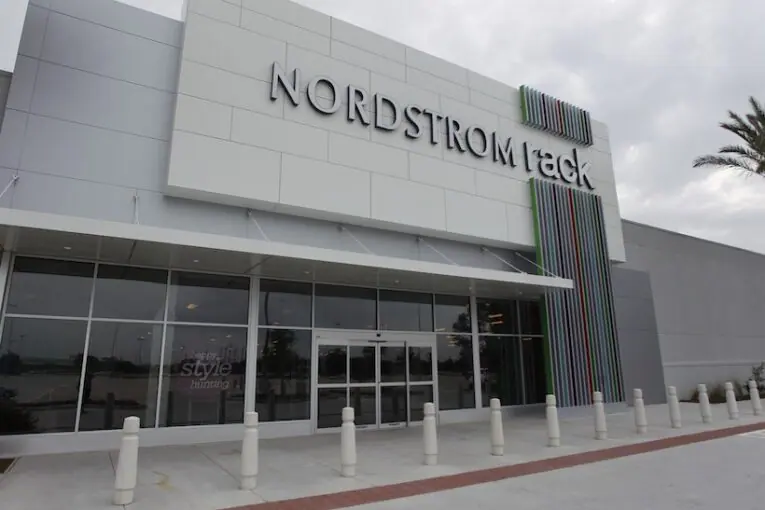
Even as Nordstrom remains one of the healthier department store chains in the U.S., it’s achieving much of its growth from its off-price concepts. The Seattle-based retailer’s Nordstrom Rack brand now outnumbers its full-priced locations, and the company has plans to open 12 more Rack stores by the end of the year. The company also operates two Last Chance locations, with full-priced merchandise marked down by up to 70%.
And, while Macy’s has been closing stores, it has ramped up its off-price business. The company now has seven freestanding Macy’s Backstage locations, and plans to open Backstage sections in 100 Macy’s stores this year.
A company spokeswoman told the Chicago Tribune that Backstage doesn’t sell overstock merchandise from full-price Macy’s stores. Instead, the off-price platform has its own buying team, similar to TJ Maxx.
“We always see an increase in traffic and sales overall when we open off-price in a department store,” the spokeswoman said.
TJX, the parent company of TJ Maxx as well as Marshalls, wants to increase its global store count by 2,000. Currently it operates 4,000 stores, and plans to open another 65 TJ Maxx and Marshalls stores this year.
That being said, there are signs that off-price growth won’t continue indefinitely. Retail Metrics data show that sales at off-price locations open for at least a year have been slowing.
The firm’s Ken Perkins told the Tribune that the off-price stores, many of which haven’t emphasized e-commerce, face greater competition from online merchants because of the Web’s pricing transparency.
There’s also a potential issue in obtaining quality merchandise. Designers such as Ralph Lauren and Michael Kors have cut back on production to protect their brands and pricing.
Yet, longer term, said Perkins, “That underlying demand for value from the consumer will always be there.”
For comments, questions or concerns, please contact Paul Bubny
- ◦Economy
- ◦Lease


