



New York & Tri-State CRE News In Your Inbox.
Sign up for Connect emails to stay informed with CRE stories that are 150 words or less.

NYC Now Leads U.S. in Office-to-Apartment Conversion Plans
The New York City metro area now leads the U.S. in its pipeline of planned office-to-residential conversions, taking the top spot from last year’s front-runner, Washington, DC. Currently there are 8,310 NYC metro office units set to be transformed into apartments, or more than 10% of the national total, according to RentCafe.
“It’s worth noting that NYC, in particular, boasts North America’s largest office market with nearly 730 million square feet of space,” RentCafe said in a report. “Manhattan alone contains more than 80% of the Big Apple’s office space.”
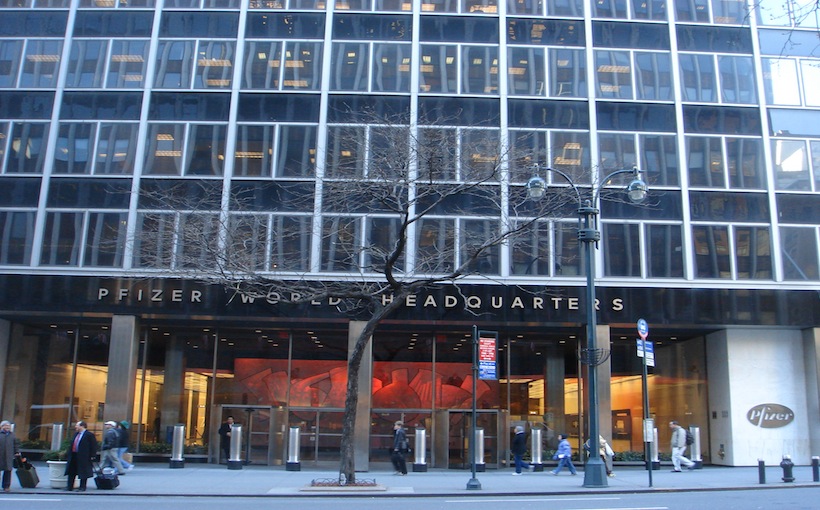
In addition, more than 305.4 million square feet out of the available office space in the area (or almost 46% of the metro’s total office inventory) holds the potential for more office-to-apartment conversions. RentCafe cited the transformation of the former global headquarters of Pfizer at 219 E. 42nd St. (pictured), which is expected to deliver 536 rental units, as “a standout project.”
- ◦Development

Apartment buildings for sale
Check out the latest properties available on apartmentbuildings.com
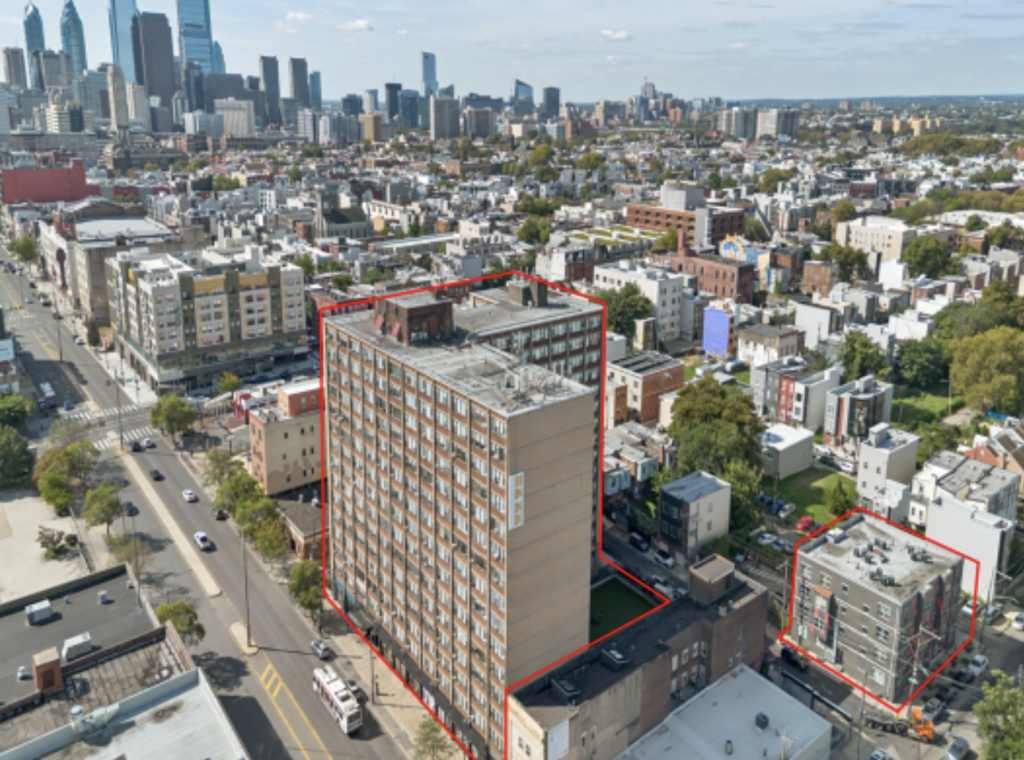
309-UNIT MULTI-ASSET RESIDENTIAL PORTFOLIO
Philadelphia, PANew York & Tri-State + Apartment Buildings
Learn MoreListing Status: Available Listing Type: Highest & best offer Price: $40,200,000 No. of Units: 309 Year Built: 1940 Year Renovated: 2011 Building Size: 265293 Sq ft Opportunity Zone: No Price per unit: $130,097 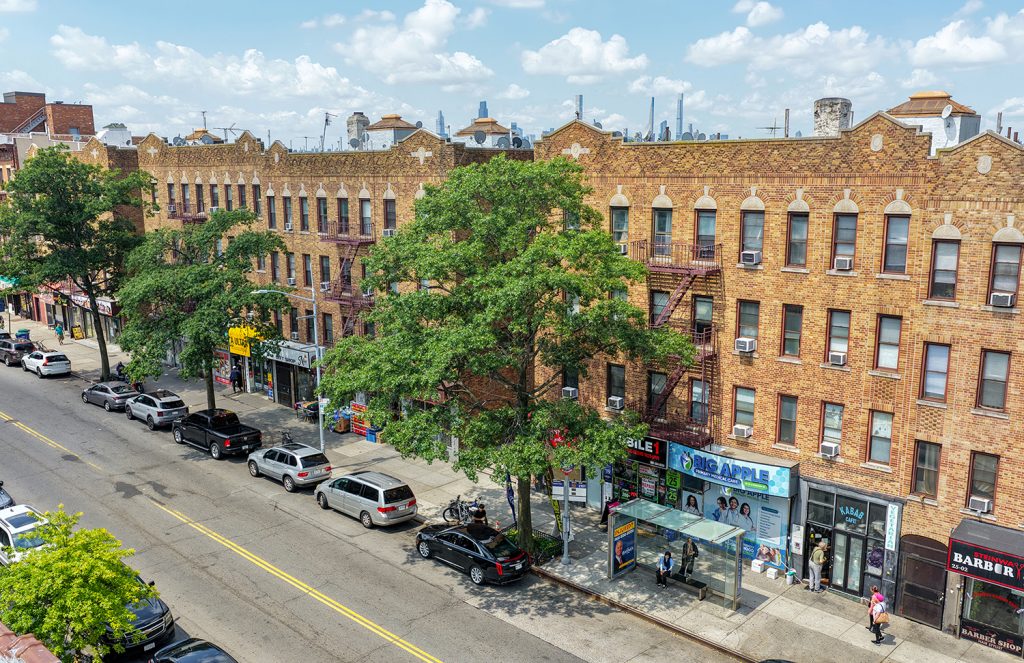
Apartment Property for Sale in Astoria at 25-12 Steinway Street
Astoria, NYNew York & Tri-State
Learn MoreListing Status: Available Listing Type: Distressed sale No. of Units: 37 Building Size: 30132 Sq ft Opportunity Zone: No


