



New York & Tri-State CRE News In Your Inbox.
Sign up for Connect emails to stay informed with CRE stories that are 150 words or less.



NY City Council Approves City of Yes Rezoning Plan
The New York City Council on Thursday voted to approve the Adams administration’s City of Yes for Housing Opportunity plan, following approvals from two key council subcommittees late last month. The citywide rezoning will enable the creation of 80,000 new homes over the next 15 years and invest $5 billion toward critical infrastructure updates and housing.
“Today is a historic day in New York City, but, more importantly, for working-class New Yorkers,” said Mayor Eric Adams. “We showed the nation that government can still be bold and brave by passing the most pro-housing piece of legislation in city history. Our administration proposed and fought hard for this proposal for more than a year, and now New Yorkers are the ones who will benefit from lower rent.”
Highlights of the plan include the following:
- Creating the Universal Affordability Preference (UAP), allowing roughly 20% more housing in medium- and high-density developments, provided the additional homes are permanently affordable.
- Legalizing small accessory dwelling units (ADU) for one- and two-family homes, with some restrictions in limited areas to address concerns around flooding and neighborhood context.
- Permitting transit-oriented development and Town Center zoning, to create three-, four-, and five-story apartment buildings near most transit and along commercial corridors.
- Allowing height-limited, contextual development on large campuses or lots, including those owned by faith-based organizations, that previously could not use their existing development rights because of outdated and conflicting rules.
- Rolling back parking mandates for new residential construction through a three-zone system that lifts them entirely in Zone 1, reduces them in Zone 2, and keeps them in place in Zone 3.
- Enacting new high-density zoning districts that would allow more housing, including mandatory affordable housing in high-demand central areas where it is urgently needed.
- Re-legalizing small and shared housing models with common facilities like kitchens.
- Making it easier to convert offices and other non-residential buildings into housing.
- ◦Development
- ◦Policy/Gov't

Apartment buildings for sale
Check out the latest properties available on apartmentbuildings.com
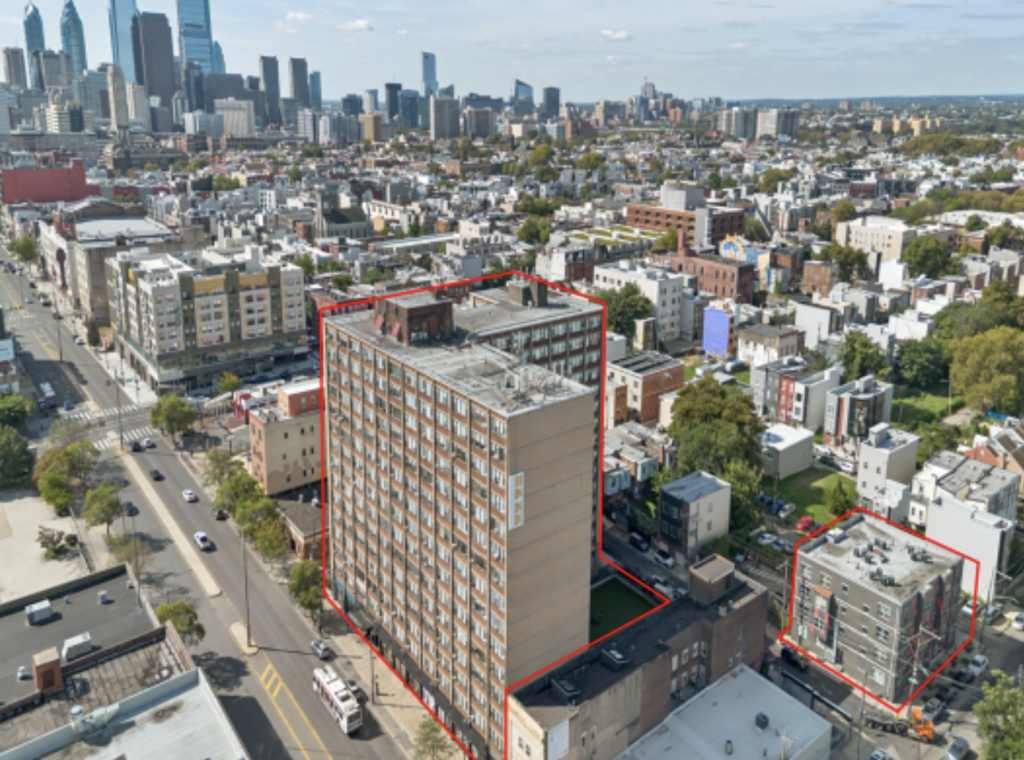
309-UNIT MULTI-ASSET RESIDENTIAL PORTFOLIO
Philadelphia, PANew York & Tri-State + Apartment Buildings
Learn MoreListing Status: Available Listing Type: Highest & best offer Price: $40,200,000 No. of Units: 309 Year Built: 1940 Year Renovated: 2011 Building Size: 265293 Sq ft Opportunity Zone: No Price per unit: $130,097 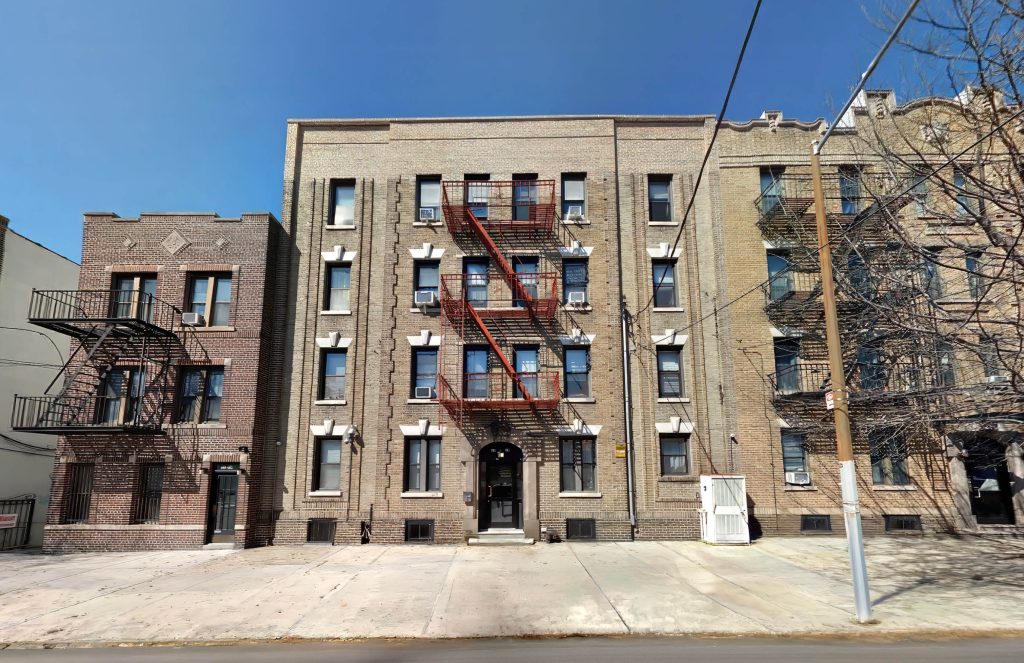
23-74 29th Street, Astoria, NY: Bankruptcy Auction
Astoria, NYNew York & Tri-State
Learn MoreListing Status: Under Contract Opportunity Zone: No


