



National CRE News In Your Inbox.
Sign up for Connect emails to stay informed with CRE stories that are 150 words or less.


NMHC & NAA to House: Thanks for Passing YIMBY
On March 2, 2020, the U.S. House of Representatives passed H.R. 4351. The bill, known as the Yes in My Backyard Act, or YIMBY, requires certain grantees under Title I of the Housing and Community Development act of 1974 to submit plans potentially tracking discriminatory land-use policies. If the bill makes it into law, localities would be prohibited from discriminatory land-use policies and housing decision disclosures when it comes to determining what gets built where.
The bill was introduced by Congressmen Denny Heck (D-WA) and Trey Hollingsworth (R-IN) in late September, 2019, and is currently in the Senate as S. 1919. The sponsors are Senators Todd Young (R-IN) and Brian Schatz (D-HI). As of this writing, the Senate bill has been read twice and referred to the Committee on Banking, Housing and Urban Affairs.
The National Multifamily Housing Council (NHMC) and National Apartment Association (NAA) wasted no time in their positive response, pointing out that passage of the YIMBY Act would help address housing affordability issues by “removing barriers to housing development desperately needed in communities across the country,” the organizations noted in a joint statement.
The statement went on to suggest that research indicated the need to build 328,000 apartment units every year, between 2016 and 2030, to meet the nation’s housing needs. “However, the apartment industry faces significant barriers to new apartment construction, development and renovation,” the NMHC and NAA commented.
According to public advocacy organization Up for Growth Action, part of the reason for the current housing shortage can be traced to “exclusionary land use policies — including zoning and density restrictions, onerous parking requirements and other burdensome development regulations . . .” The NAA added that land availability, rising labor costs and “input from local citizens” also influence housing development.
For comments, questions or concerns, please contact Amy Sorter
- ◦Development

Apartment buildings for sale
Check out the latest properties available on apartmentbuildings.com
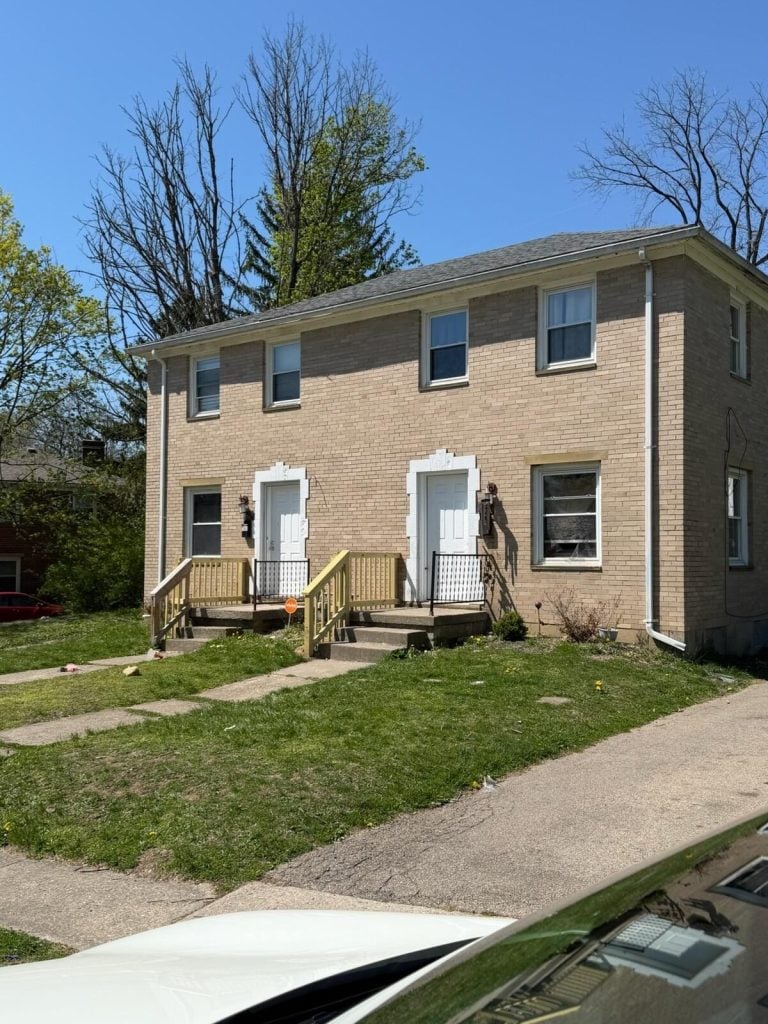
1143 Cedarview Drive
Springfield, OHChicago & Midwest + 2-4 Units
Learn MoreListing Status: Available Listing Type: Call for offers Price: $163,500 No. of Units: 2 Year Built: 1938 Lot Size: 1728 Acres Opportunity Zone: No Price per unit: $81,750 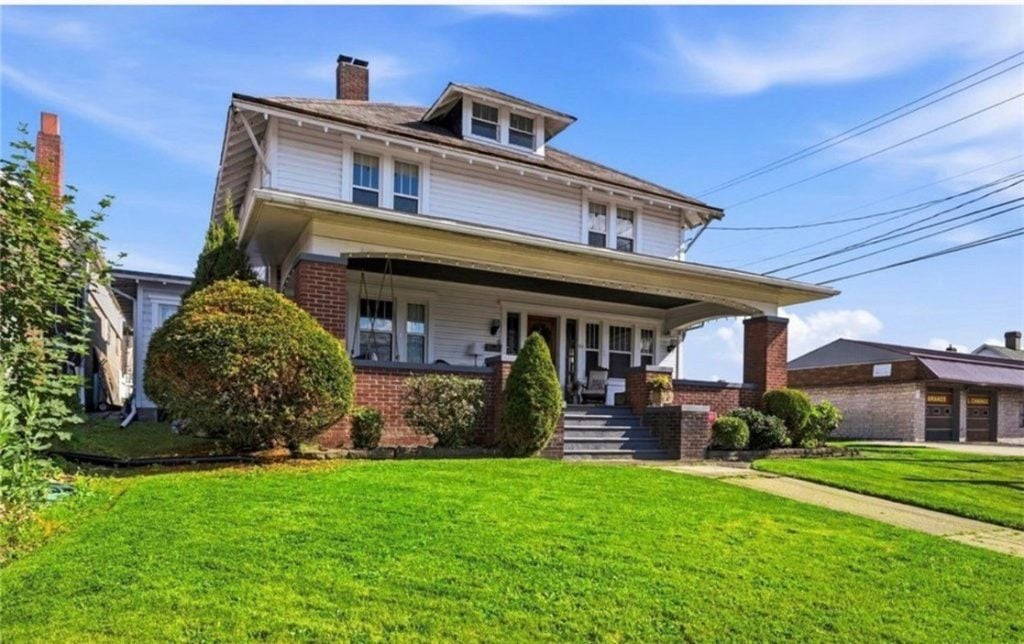
500 Broad Avenue
Belle Vernon, PANew York & Tri-State + Apartment Buildings
Learn MoreListing Status: Available Listing Type: Call for offers Price: $2,000 No. of Units: 1 Year Built: 1903 Opportunity Zone: No Price per unit: $2,000


