



California CRE News In Your Inbox.
Sign up for Connect emails to stay informed with CRE stories that are 150 words or less.
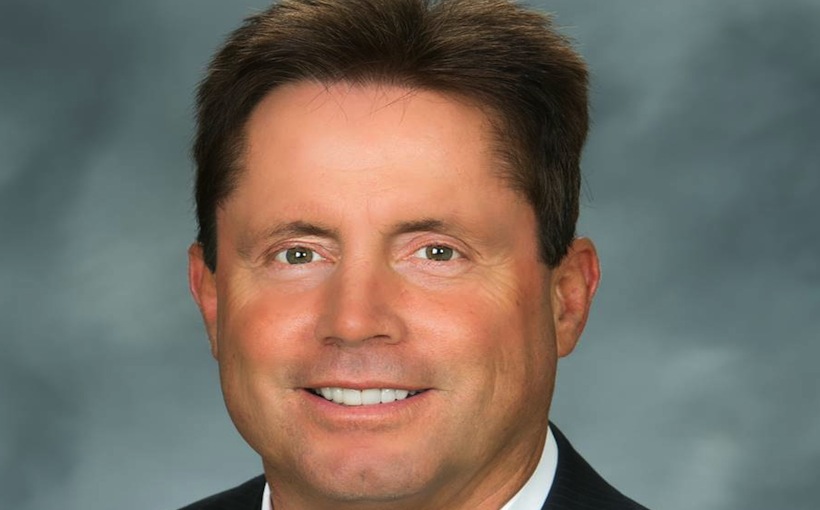
NKF’s Kevin Shannon Previews Connect Los Angeles
By Dennis Kaiser
Connect Los Angeles is coming up on March 21st at the Hotel Indigo Downtown Los Angeles. The planned line-up includes five deep dives into the opportunities and challenges across asset classes, the future of work, financing today’s deals, legislation and the economy.Leading up to the conference, we asked NKF’s Kevin Shannon to share his thoughts about the commercial real estate market in our latest 3 CRE Q&A.
Q: What are some of the high-level trends you are tracking in terms of the economy and market fundamentals?
A: We are in the midst of the second longest recovery, so guess what? Space is pretty well leased, and value add deals are scarce as a result. There is too much value-add capital late cycle given the scarcity of value-add deals. Contrary to what you would think, investors strongly prefer value-add strategies versus core strategies late cycle. Capital is accepting risk because the fundamentals are really strong.
The fundamentals up and down the West Coast are among the strongest in the nation. In L.A., it’s content creation and entertainment tech if you will, and in Bellevue it’s the cloud (AWS and Microsoft) among other drivers. Seattle and Nor Cal are being driven by FANG tenants too.
Q: What are you seeing in the capital markets?
A: The debt markets are on fire. Interest rates are dramatically down from the fourth quarter, and it feels like they will stay low in the near term. This is key for value-add assets, secondary markets and all suburban product which will all have a debt component.
Foreign Capital is going to new markets looking for yield. Hedging costs are significantly impacting approximately 70% of foreign capital, especially German and South Korean investors. Japan, Hong Kong and Singapore are more active, and the Sovereign funds typically don’t hedge.
Domestic capital, too, is looking for higher yielding markets. Some are seeking urban suburban assets and others are going to secondary markets. Core buyers’ pools have gotten smaller this year. West L.A. remains the most sought-after gateway market for core capital. It has the highest barriers to entry of all the gateway markets.
Q: How would you characterize the West Coast markets at this point in the cycle? What do you see ahead for the year?
A: None of the West Coast markets are overbuilt this cycle. All of the West Coast Gateway markets could use new product, which the tech tenants love for recruiting and retaining the best talent. West L.A. and San Francisco are out of large block new construction, as an example.
The issues that have caused past recessions do not exist. There is no banking crisis, lenders are more disciplined about leverage levels this cycle, we aren’t overbuilt, and there is no subprime or dot-com tenant crisis looming. This recovery will become the longest recovery in history in June, and it has legs.
For comments, questions or concerns, please contact Dennis Kaiser
- ◦Sale/Acquisition


