



California CRE News In Your Inbox.
Sign up for Connect emails to stay informed with CRE stories that are 150 words or less.


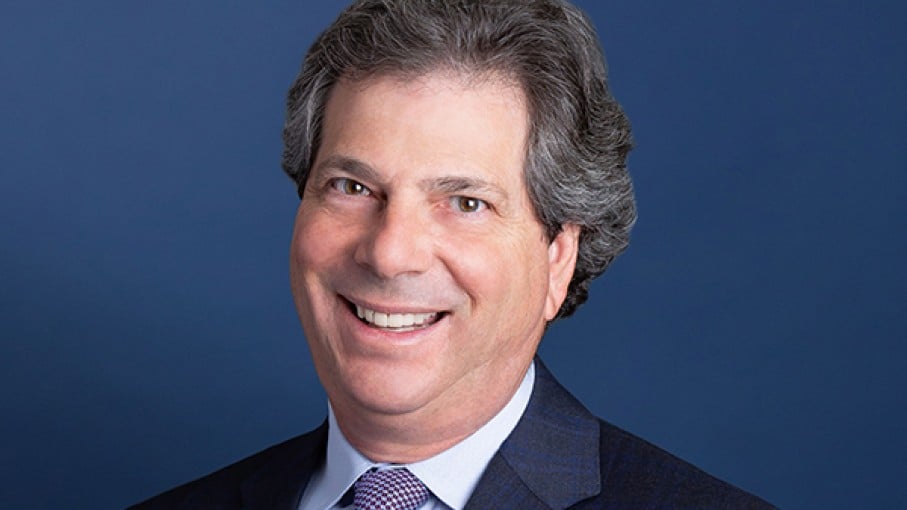
NewMark Merrill’s Sandy Sigal: “Our Job is to Understand What Signals We are Seeing”
This year’s Connect Retail West conference, set for Nov. 17 in Los Angeles, gets underway with a panel of industry leaders charting the future of West Coast retail. Sandy Sigal, founder, CEO and president of NewMark Merrill Companies and among our Industry Leaders speakers, is certainly in a position to share a forward-looking perspective. Here, he sets the stage with a discussion of his long-term approach to growth.
Q: NewMark Merrill has been in the shopping center business for nearly three decades. As the retail landscape has evolved, what has changed in the company’s approach to acquisition and management, and what has remained constant?
A: Our original premise was that we wanted to be the best operators of shopping centers in the markets we are in, we wanted to be very hands-on, we wanted our relationships with our merchants, our lenders, our investors, and our communities to be long-term, and mutually beneficial, and we wanted to ensure we have a team dedicated to innovation and connection. All those things have remained our constant and even more so as we have grown.
What has changed is the transparency of information. Retail always provided more data than any other product type, but now we can see it, analyze it, share it, and act on it. We have become better listeners – originally most of the information was subjective with some firm data behind it, today we have almost an overabundance of information, and our job is to understand what signals we are seeing, and use it to the benefit of our merchants and our neighborhoods.
Q: While the majority of NewMark Merrill’s properties are located in Southern California, the company also has substantial holdings in the Chicago area and Colorado’s leading metropolitan areas. What factors led to the company expanding to these markets?
A:We started in Southern California, opened a very successful San Diego office, followed by one in Sacramento, then Colorado, and Illinois. All these markets had one thing in common. We had strong partners on the ground, they grew up in these markets, they are part of the community, and they are committed to growing a long-term business of finding neighborhoods where they can make a difference. Our motto is “We want to be a major factor in helping people love their neighborhoods more” and that is what drives all of us in each market.
Q: The company has been an early mover in proptech and has established a retail technology division. Along with location metrics, what are some other key themes in technology for retailers?
A: We have invested in over 50 different property technology companies, and have seen all sorts of different ways to understand our consumer and how they interact with our properties. Obviously, the visibility of knowing who and where are customers come from, and where they go to on property, how long they stay, and where they go when the leave has been revolutionary. And that information continues to expand by helping us understanding our trade areas, who makes up our shopper, how many other tenants they visit while there, and if they are a loyal shopper or just someone who drove by incidentally.
But another factor is what we broadly call sentiment analysis. What does the shopper think of their experience – do they feel safe and welcomed, do they think our merchants provide good value and/or service, do they consider us a place they go to make memories, or just a convenient place to stop in on. What are our service trends, etc. This a big area, and when integrated with traffic and sales data and overlayed against marketing and outreach, that can really provide actionable insights.
Another thing we are doing with technology is identifying the best merchants for our space – not just because they fit or pay the best rent, but to curate a tenant mix that helps our other tenants, and the consumer. Understanding the best of co-tenancy for our centers, and our communities means better long-term outcomes for everyone.
Q: Where do you see the greatest opportunities in acquiring and operating shopping centers as we move into 2027?
A: The best integration of data, neighborhood knowledge, and the likelihood of stability in the rent roll as measured against the potential for rent growth will be the key to success. We are moving much farther away from financial engineering and leasing driving long-term value to hands-on management, technology and data tested promotion and leasing, and understanding the consumer will lead to outsized results in growth of traffic, sentiment, leading to significant NOI growth. While many focus on income as a differentiator, it is more likely that neighborhoods with loyalty and multigenerational connection will outperform traditional markets. I grew up in those communities and have seen firsthand how catering to these neighborhoods is a good long-term investment.
Join Connect Retail West on November 17 at the SLS Hotel, Beverly Hills, for insights into the opportunities shaping Western retail real estate. Hear from ICSC President & CEO Tom McGee and connect with owners, developers, retailers and investors. Register now.
- ◦Lease


