



National CRE News In Your Inbox.
Sign up for Connect emails to stay informed with CRE stories that are 150 words or less.


Multifamily in Flux? Q&A with Colliers International’s Will Mathews
This past year continued positive for the multifamily sector, though issues such as affordable housing and increases in construction costs are having an impact. To determine the issues and trends likely to impact the industry for the remainder of 2019, Connect Media quizzed Will Mathews, Senior Vice President, Principal of Colliers International’s Atlanta office, and head of the company’s Multifamily Advisory Group/East Region.
Q. When we spoke a year ago, you indicated that 2018 would be another year of opportunity for the multifamily sector. Was your forecast correct?
A. I do believe our forecast came to fruition, as 2018 was another great year for multifamily. The sector posted record highs in deal volume, attributable to single asset sales, not just large portfolio sales. Single asset sales were up $12.6 billion from 2017, totaling $130.1 billion for 2018. Portfolio deal volume was up for the year as well, posting gains of 15%. Regardless of these high levels of activity, cap rates remained low, while asset pricing experienced a nominal increase.
A significant number of investors were focused on value-add real estate in 2018. Many are shying away from the core space and chasing yield in well-located, workforce housing, where they can reposition/renovate the property, nominally increase rent and see a significant return on investment. Investors have spent $31.9 billion to purchase apartment properties in value-add transactions during the 12 months ending in Q3 2018, according to Real Capital Analytics.
Private real estate fund managers are focused heavily on the value-add space, with the number of funds closed in Q1 alone exceeding 80% of total funds closed in 2017. Private real estate funds focused on value-add assets raised $33 billion between January and March, the highest level of raised capital during the first quarter of year since 2008, according to The Real Deal Reports.
One of the biggest surprises in 2018, was that financial market volatility had little effect on commercial real estate. Cap rates were unaffected, with garden apartments averaging a 5.5% cap rate and mid/high-rise properties averaging a 4.9% cap rate in Q4 2018. Owners did not change their expectations in asset pricing based on swings in the U.S. 10 Year Treasury. Rather than make “knee jerk” reactions to volatility in the U.S. 10 Year Treasury, owners took a wait-and-see approach.
Q. As we reach the last month of Q1 2019, issues impacting development include increased tariffs on imported materials, and growing labor shortages. Have you found this to impact multifamily development?
A. Land owners, especially in urban and desirable suburban locations, continue to increase land value, seizing on the increased demand for multifamily housing. Also, contractors are having a harder time earning a profit. They are raising their prices to meet up with increases, but can’t seem to raise them fast enough.
The producer price index (a weighted average of all goods and services used in construction) rose by 0.6% in October 2018, following a 0.2% gain in September, bringing the 12-month total increase to 6.6%. An index based on what contractors say they would charge to construct commercial buildings had a smaller 12-month gain of 5%, despite jumping 2% in October. The margin between the price of goods and what contractors say they would charge represents tightened profit margins, per the Associated General Contractors of America’s chief economist Ken Simonson.
From October 2017 to October 2018, producer price index increased 8.2% for steel mill products, 11.6% for asphalt paving mixtures and blocks, and 8.2% increase for aluminum mill shapes.
At the same time, as construction costs are rising, labor cost are following suit. The Labor Department reported average hourly earnings for all employees in construction rose 3.9% in 12 months through October. This is the fastest pace in nearly 10 years, per Simonson.
The producer price index for diesel fuel exploded by 34% over the last 12 months, ending in August 2018. This is the largest increase for any construction material over the period, even though diesel fuel is not one of the goods hurt by tariffs. Contractors use diesel fuel to power equipment, trucks and cranes. They also use diesel fuel on vehicles used to deliver materials and equipment. As a result of the rising costs of construction material, and diesel fuel hindering transportation especially in colder months, construction materials are not arriving on time, according to Marc Padgett, president of Summit Contracting, a multifamily general contractor. As a result, states with colder weather have experienced longer construction times.
Construction start statistics will be revised, as they are expected to show an increase of 4%, the slowest growth rate since 2011. Starts increased by 84% from 2012-2017, and 150% for residential buildings. Construction analytics economist Ed Zarinski predicts construction starts from 2018-2020 will only be up by 10%.
The construction start backlog is currently at an all-time high. The backlog in 2018 is up by 10% over 2017, and is expected to rise in 2019 by an average of 6% to 8%. According to Zarinski, the labor market is tightening, leading to increasing construction costs. The national construction unemployment rate posted below 4%, the lowest rate since this statistic began tracking in 2000. An unemployment rate this low signifies labor shortages. This tightened labor market will cause labor costs to climb at the fastest rates we’ve ever seen. These labor shortages cause contractors to pay premiums over normal wage increases to keep workers on the job.
Q. Housing affordability continues to be on the front burner. Will we see workforce housing supply increase, in an effort to meet demand?
A. A joint survey from the National Association of Home Builders and the National Multifamily Housing Council determined that government-imposed regulations comprise more than 30% of multifamily development costs. This heavy cost burden has a significant impact on the affordable housing market, making it more challenging to complete deals.
Going forward into 2019, we will likely continue to see a disconnect between supply and demand of affordable housing. This is because 96% of new construction in urban core requires household incomes of over $75,000, yet the median income is only around $60,000, with 62% of U.S. renters earning below $48,000 per year. Class B housing construction has declined from the early 2000s, from half of new construction, to a quarter today. Affordable deliveries have been reduced, to less than one out of 10 properties delivered. These shortages will only continue to exacerbate, with the rise in costs of land, skilled-labor and building materials.
According to Inna Khidekel, managing director of Bridge Capital Markets Group, bridging the affordable housing shortage will require increased investment from the private sector to stifle the crisis and generate attractive risk-adjusted returns for investors. With this increase, Khidekel predicts “investment into non-government-subsidized affordable housing in 2019…would be a hugely positive development.”
The affordable housing crisis is a major problem in America. No state has enough supply to meet demand. The U.S. has a shortage of 7.2 million rental homes that are affordable to the extremely low-income renters.
An extremely low-income renter, by definition, is someone whose income is at or below the poverty guideline of 30% in their area median. According to the National Low-Income Housing Coalition, only 35 affordable rental homes are available for every 100 extremely low-income renter household.
States, such as Nevada, are experiencing real shortages, having only 15 for every 100, in contrast to states, like Maine, which has 59 rental homes available to 100 extremely low-income renters. States with the least amount of supply for extremely low-income renters include California, Oregon, Washington State, Arizona, Colorado, Texas, Wisconsin, Florida, New Jersey, Delaware and Massachusetts.
For comments, questions or concerns, please contact Amy Sorter

Apartment buildings for sale
Check out the latest properties available on apartmentbuildings.com
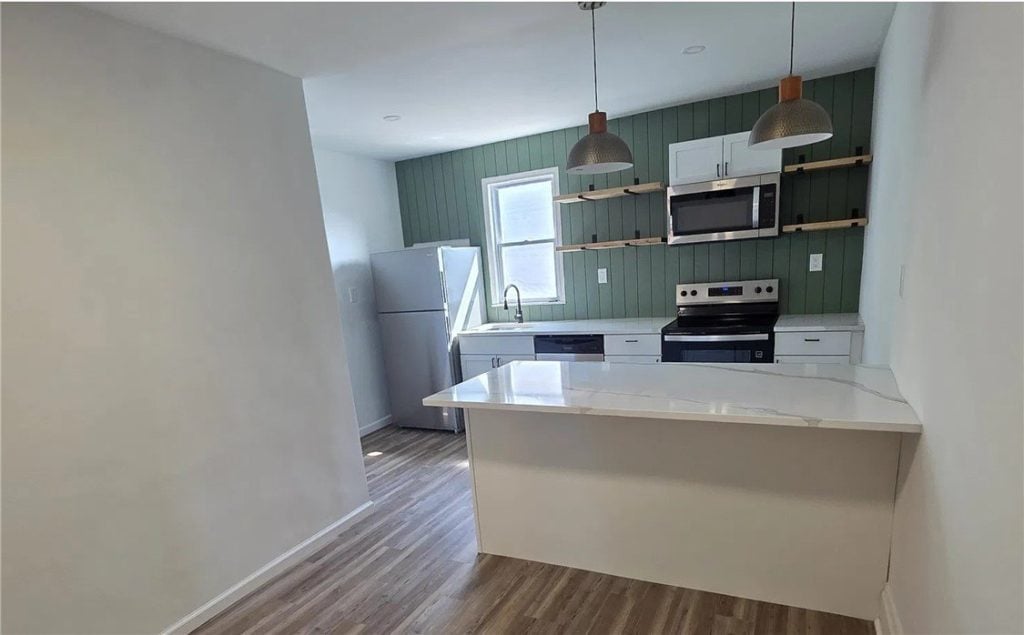
93 Beltzhoover Ave
Allentown, PANew York & Tri-State + 2-4 Units
Learn MoreListing Status: Available Listing Type: Call for offers Price: $266,500 No. of Units: 2 Year Built: 1900 Opportunity Zone: No Price per unit: $133,250 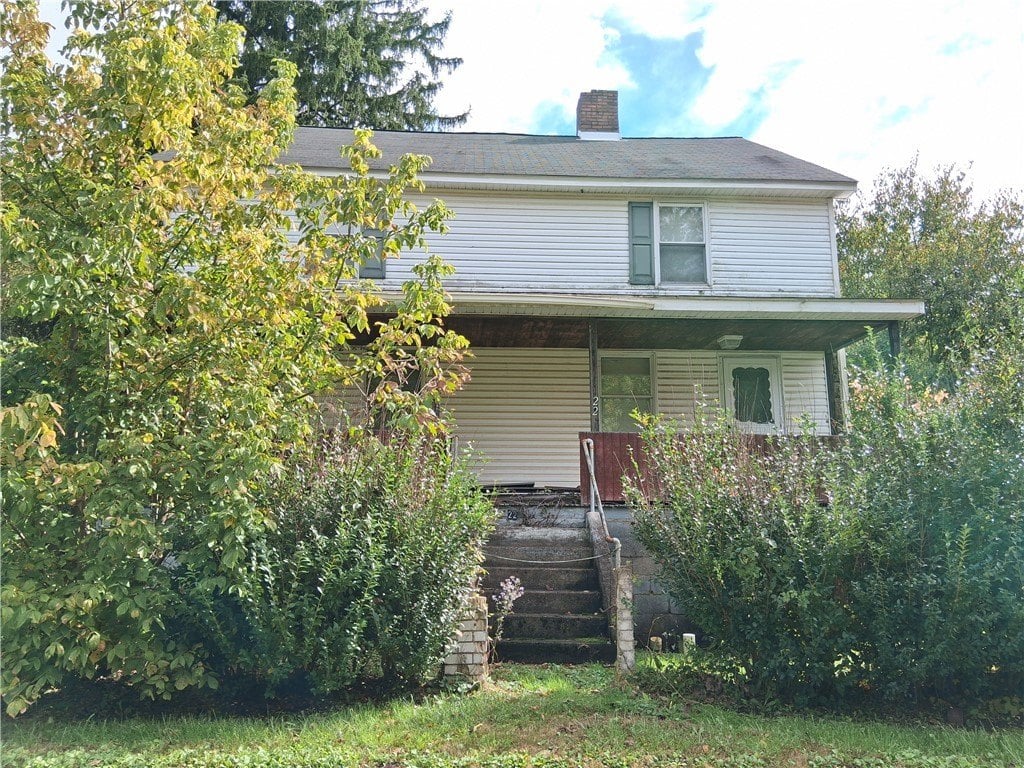
22 Verner Ave
Smith, PANew York & Tri-State + 2-4 Units
Learn MoreListing Status: Available Listing Type: Call for offers Price: $75,000 No. of Units: 2 Year Built: 1900 Opportunity Zone: No Price per unit: $37,500


