



Texas CRE News In Your Inbox.
Sign up for Connect emails to stay informed with CRE stories that are 150 words or less.
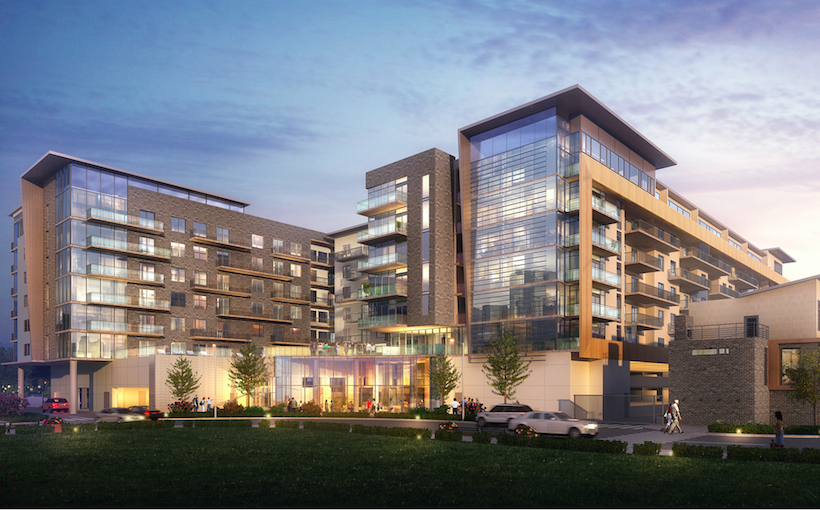

Multifamily Development Q&A: Baby Boomers Go Bigger
By Dennis Kaiser
A generational shift is occurring, as more and more Baby Boomers move into a retirement phase of life and that’s driving multifamily developers to find ways to accommodate this key demographic. Connect Media asked Transwestern’s Mark Culwell to share insights about how the apartment sector is adjusting to these changes in our latest 3 CRE Q&A.
Q: Why are you seeing increased demand for larger rental units?
A: As children move out and Baby Boomers approach retirement, many are looking to downsize from the large, single-family homes they’ve lived in for many years. They want a “lock-and-leave” lifestyle, where they don’t need to worry about maintenance, lawn care or security. Many Baby Boomers are turning to apartment rentals in city centers so they have easy access to restaurants, entertainment and shopping. This has increased demand for large floorplans and three-bedroom units, previously lacking in new construction. Nearly two-thirds of the national supply of three-bedroom apartments were built before 2000 and most before 1990.
Q: What design elements are Baby Boomers looking for in an apartment?
A: Baby Boomers, accustomed to single-family homes, desire extra bedrooms for guests, home offices or storage. Because of that, we’ve seen an uptick in demand for larger floorplans, both in terms of square footage and number of bedrooms, giving them the flexibility to include those elements they’re used to having. They also look for more traditional layouts that are reminiscent of the homes they are familiar with, including formal dining spaces with separate breakfast eating areas, home offices, powder bathrooms for guests, and formal sitting areas. Since baby boomers have acquired a lifetime’s worth of possessions, they need more storage both in the apartment unit and extra rental storage space in the community. We have seen Baby Boomers’ preference for upscale finishes in kitchens and bathrooms, as well as special amenities like wine chillers. They also put a high value on luxury community amenities, including pet services, concierge, conference facilities, yoga classes, and dry cleaning.
Q: What are some examples of features included in properties you have developed to meet this demand?
A: The Hayworth community in Houston (pictured above) and The Laurel in Dallas are great examples of projects designed with this demographic in mind. For instance, the average one-bedroom apartment in these markets average approximately 750 to 825 square feet, whereas the one-bedroom units at The Laurel are 1,150 square feet. We included more square footage in the living areas of the apartments, as well as a higher percentage of three-bedroom units. Out of all the apartments in these markets, only about 8% are three-bedroom units. We included custom home finishes throughout the units and high-quality finishes in the community areas, as well as a 24-hour concierge, conference facility, yoga lawn, dog park, and sun room that opens to the expansive pool deck. We took the time to research the surrounding communities, both among the most affluent in Houston and Dallas, and gave The Hayworth and The Laurel an elegant, upscale aesthetic that mirrored the community.
For comments, questions or concerns, please contact Dennis Kaiser
- ◦Development

Apartment buildings for sale
Check out the latest properties available on apartmentbuildings.com
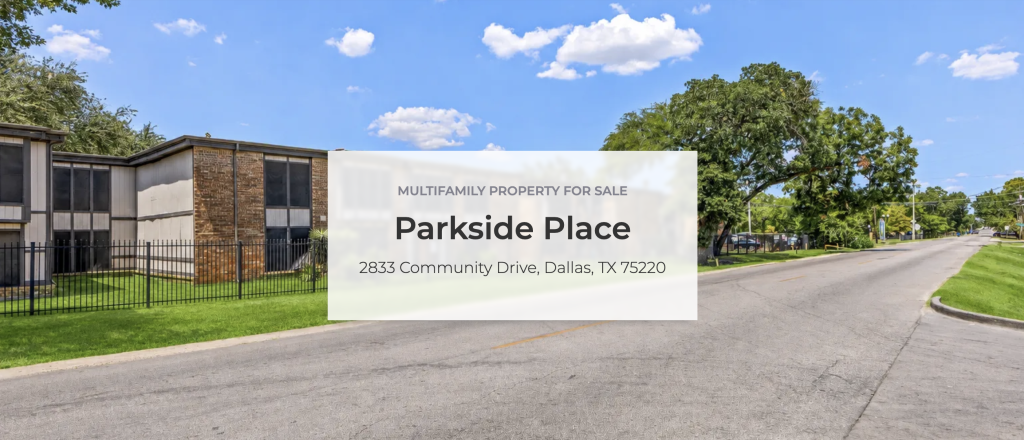
2833 Community Drive
Dallas, TXTexas + Apartment Buildings
Learn MoreListing Status: Available Listing Type: Call for offers No. of Units: 84 Year Built: 1971 Lot Size: 2.53 Acres Opportunity Zone: No 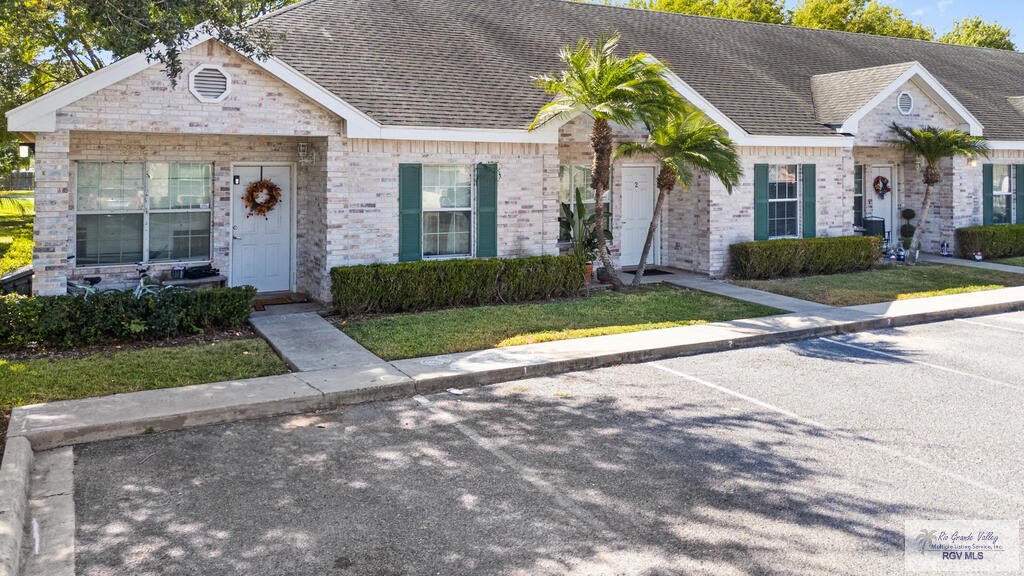
3801 E MORELAND DR
WESLACO, TXTexas + Apartment Buildings
Learn MoreListing Status: Available Listing Type: Call for offers Price: $7,500,000 No. of Units: 78 Year Built: 2005 Lot Size: 77325 Acres Opportunity Zone: No Price per unit: $96,153

