



Atlanta & Southeast News In Your Inbox
Sign up for Connect emails to stay informed with CRE stories that are 150 words or less.


Multifamily Development Pipeline Q&A: Product Demand, Cost & Drivers
By Dennis Kaiser
The pipeline of development in the apartment sector seems endless in today’s market, and this boom can be attributed to numerous lifestyle, economic and environmental trends. According to data by Freddie Mac, Millennials are more likely to rent by choice and Baby Boomers say they have no interest in owning. This is just one of the many driving forces behind the increasing popularity of apartment living.
MVE + Partners vice president, Rick Castillo, provides insights into what trends are steering the sector and setting the precedent for future projects as we gear up for Connect Apartments on Thursday, Sept. 28 at the InterContinental DTLA.
Q: How has design shifted to accommodate the high apartment demand within urban areas?
A: The demand for housing in urban areas with limited development opportunities calls for creative and efficient, high-density design solutions. We are seeing shifts toward major mixed-use developments that incorporate amenities to serve the greater community, such as ground level grocery stores or dining halls. These amenities also activate neighborhoods at the street level and create a greater sense of place and community. Other interesting design solutions that are gaining traction in urban areas include microunits, automated parking structures, and exclusive resident business centers with flexible workspaces.
Q: We are seeing more and more demand for the “live/work/play” lifestyle. How has the industry shifted to create more well-connected neighborhoods?
A: Establishing connected neighborhoods is a high priority for developers and cities alike. Cities are focusing on the various assets and infrastructure that they can utilize and improve to result in better connectivity, such as adopting transit corridor development plans, implementing regional connectors, and improving streets and bike lanes. With reduced parking ratios, developers encourage high-density mixed-use communities to form around these transit corridors to create regional hubs. The industry is also planning for shifts in the way people travel, developing dedicated zones in new communities for Uber and Lyft drop off. Finally, industry advocates create programs to encourage smart planning. We were fortunate to participate in the LEED ND (Neighborhood Development) pilot program, for one of our projects currently under construction. The certification was created to encourage designers and developers to create better connected neighborhoods, and give them a way to measure success in doing so.
Q: How is transit-oriented development shaping regions around the country?
A: Transit-oriented and transit-adjacent developments continue to pop up all over the country, especially in expansive high-density areas that are growing rapidly. In regions like the Bay Area where various city centers coexist, connectivity is critical and TODs have been woven into the fabric of the community for decades. Residents in established urban areas incorporate public transit as part of their daily lives, and see the value in these services. Whereas suburban dwellers with limited access to less established transit systems are more reluctant to ride public transit and are more comfortable in private vehicles. Successful transit oriented developments create critical mass and encourage ridership, and, particularly in suburban cities, can reduce reliance on cars and the negative environmental and social impacts associated with it.
For comments, questions or concerns, please contact Dennis Kaiser
- ◦Development

Apartment buildings for sale
Check out the latest properties available on apartmentbuildings.com

South and Twenty
Cartersville, GAAtlanta & Southeast + Apartment Buildings
Learn MoreListing Status: Available Listing Type: Call for offers No. of Units: 288 Year Built: 2023 Lot Size: 292860 Acres Opportunity Zone: No 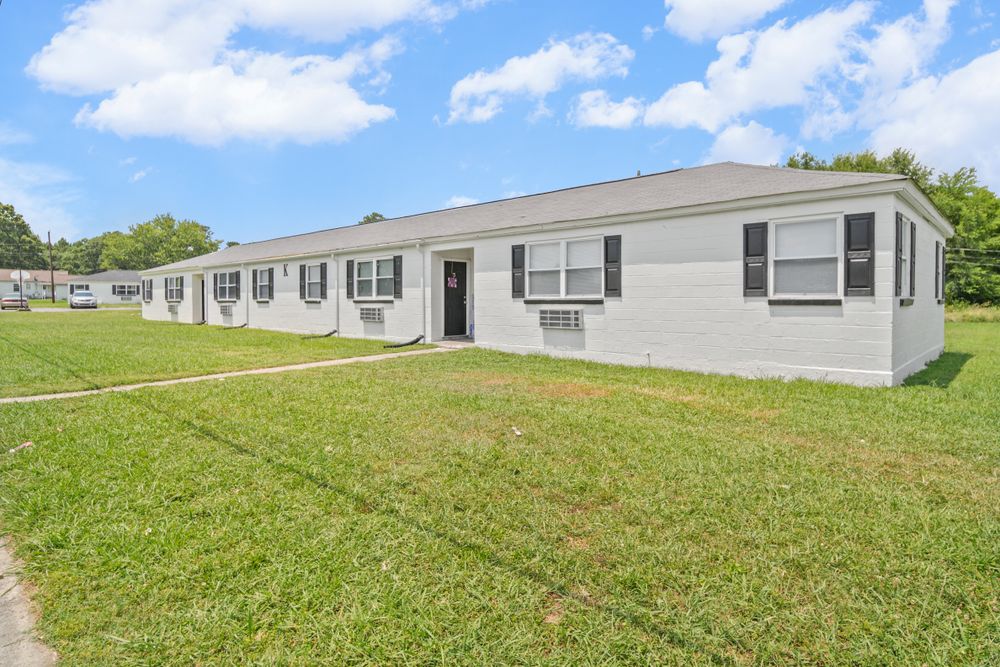
200 York Street
Chester, SCAtlanta & Southeast + Apartment Buildings
Learn MoreListing Status: Available Listing Type: Call for offers Price: $4,125,000 No. of Units: 75 Year Built: 1960 Lot Size: 7.34 Acres Opportunity Zone: No Price per unit: $55,000

