



National CRE News In Your Inbox.
Sign up for Connect emails to stay informed with CRE stories that are 150 words or less.


MF Discussion and Predictions: Q&A with Colliers International’s Rawley Nielsen
The apartment sector continues to be a strong one, generating questions as to how long this can continue. Connect Media recently put this question — and others — to Rawley Nielsen, Colliers International’s President, Investment Sales.
Q. How close are we to the end of the multifamily lifecycle?
A. As an active investment sales broker in the Utah multifamily space, I have not seen any major signs of a slowdown heading into 2020. The debt, equity and sales markets are as strong as they have ever been for apartments, and we anticipate this momentum to continue well into 2020. Even though I haven’t seen significant signs of a slowdown, we are definitely seeing changes in the market. Our clients are being more strategic and cautious with their investment dollars. Investors are less optimistic that they can acquire a value-add deal and “flip” it in the near term for a large profit. So, investors are factoring in longer hold periods in their investment model than they have over the last five years. With the length of our current economic cycle, everyone is expecting some sort of slowdown or cooling, but we are still going forward at a strong pace. I do think that next year’s presidential election could play a major role in investor sentiment and the sales market in late 2020 and beyond.
Q. What are some of the continued drivers that are leading the U.S. to become a nation of renters, rather than owners?
A. For years, our country has been trending more towards rentals and multifamily, and less towards home ownership. A recent statistic I saw showed that since 2010, rentals made up nearly 57% of the new housing demand throughout the country. Younger generations are marrying and starting families later in life than previous generations. Only 46% of millennials between the ages of 25 to 37 were married in 2018, compared to 57% of Gen Xers and 65% of boomers. As younger generations marry and start families later in life, they typically choose renting over owning. I do think that most Americans still want to own their home eventually, but changing demographics and evolving generational housing needs are having a major effect on the country’s housing market. For younger generations, location, walkability and property amenities are more important than owning their own home. These trends will continue to have a positive effect on the multifamily market throughout the country.
In addition to changing demographic trends, owning a home is also getting significantly more expensive throughout the country. Incomes are not rising as fast as home prices, and many would-be buyers don’t have the financial capacity to make a down payment and support a monthly mortgage. In addition, portions of the tax act of 2017 make home ownership less affordable. With limits on mortgage interest and property tax deductibility, and no deductibility on home equity loans, home ownership doesn’t have all the benefits it once had.
Q. What will we see in 2020?
A. The demand for multifamily investments will continue to be strong moving forward. There will continue to be an abundance of capital, both debt and equity, chasing all sizes and classes of multifamily deals across Utah, and throughout the country. More and more private and institutional investors will be looking to acquire their first apartment deal in Utah. Many of these buyers are trying to complete a 1031 exchange from a property sale in out-of-state, usually coastal, markets. These exchange buyers are typically more aggressive on pricing and terms than local buyers, and they are willing to accept lower yields to acquire newer assets in stable and high-growth markets.
In 2020, cap rates and pricing should remain relatively consistent with 2019. However, interest rate increases and changing investor sentiment are expected to have more noticeable effects on pricing and sales activity later in the year and into 2021. Again, the presidential election in the fall of 2020 could have a major impact on the capital markets and thus cause a more noticeable slowdown. In 2020, Class B and C value-add properties will continue to generate the most interest and buyer activity. Pricing and cap rates will remain the most competitive in this part of the market. However, there should be substantial buyer appetite in the full spectrum of the multifamily market – from workforce housing, to value add, to Class A apartments in core locations.
The demographic and economic indicators all show strong for apartments in general, but they show extremely favorable for apartments in Utah. We do not foresee any slowdown in investment demand, and sales volume will only be tempered by the lack of opportunities available in the market. It is important to note that Utah has gone from primarily a private capital investment market to a more mature institutional capital market over the past few years. The market is becoming more sophisticated and more liquid, and local investors are trying to keep pace. We are perceived as a haven and, on a relative basis, a low-risk market with limited downside and significant upside through our continued population growth and strong local economy.
For comments, questions or concerns, please contact Amy Sorter

Apartment buildings for sale
Check out the latest properties available on apartmentbuildings.com
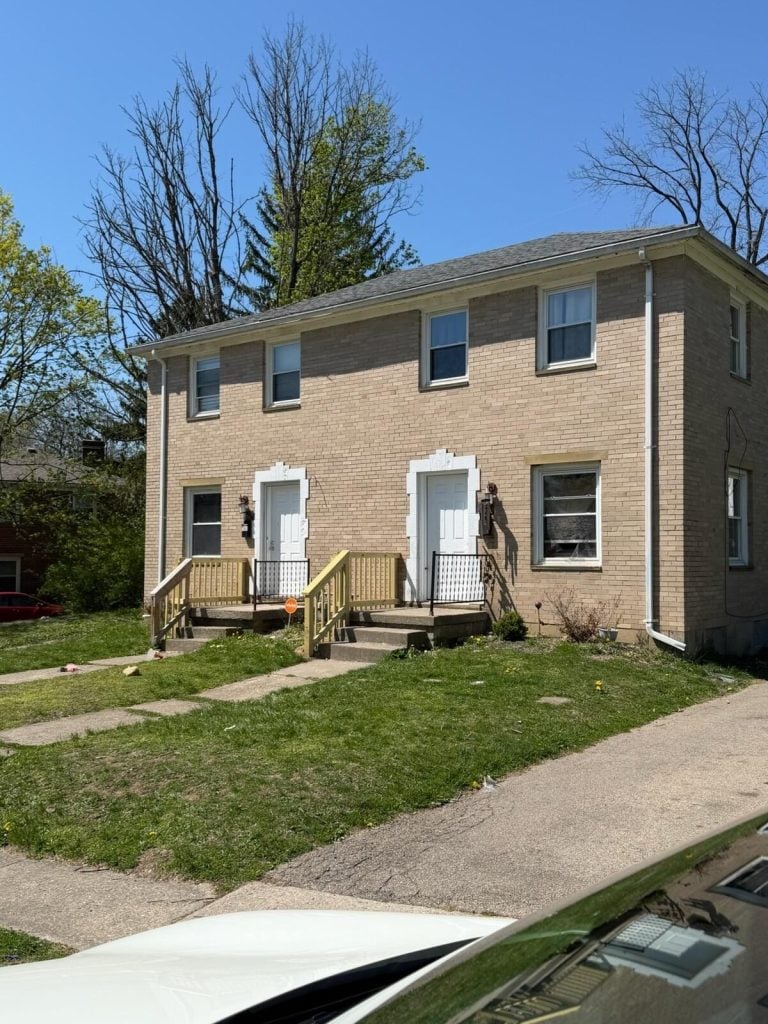
1143 Cedarview Drive
Springfield, OHChicago & Midwest + 2-4 Units
Learn MoreListing Status: Available Listing Type: Call for offers Price: $163,500 No. of Units: 2 Year Built: 1938 Lot Size: 1728 Acres Opportunity Zone: No Price per unit: $81,750 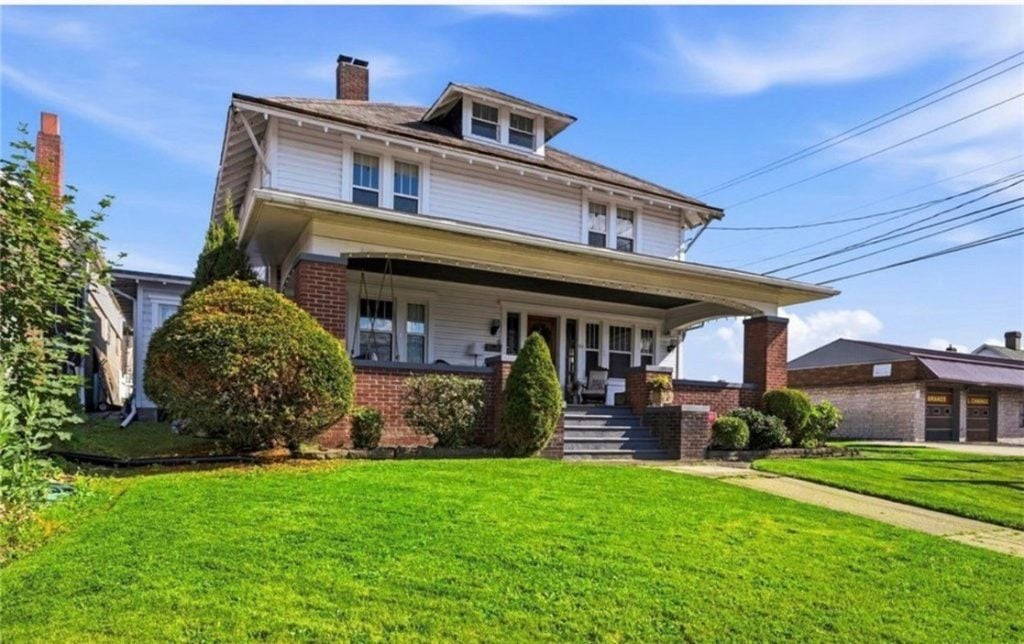
500 Broad Avenue
Belle Vernon, PANew York & Tri-State + Apartment Buildings
Learn MoreListing Status: Available Listing Type: Call for offers Price: $2,000 No. of Units: 1 Year Built: 1903 Opportunity Zone: No Price per unit: $2,000


