



Florida & Gulf Coast CRE News In Your Inbox.
Sign up for Connect emails to stay informed with CRE stories that are 150 words or less.


Meeting Renters’ Expectations in a Changing Environment: Q&A With RCKRBX’s Michael Broder
A topic at the upcoming Connect Southeast Multifamily event in Key Biscayne will cover the significant influx of outsiders moving to Florida and what apartment developers will need to do to meet an ever-changing set of expectations. Event panelist, Michael Broder from RCKRBX, has dug deep into the numbers and has some eye-opening insights as to what renters are looking for.
Since the pandemic, how have renters’ expectations shifted? Has the hybrid/remote worker totally changed the focus of the developer? How? Has it affected the market demand by unit type?
In the second half of 2025, RCKRBX conducted a first-of-its-kind national survey of current and prospective renters, revealing data that uncovered renter sentiments into current economic conditions, anticipated plans for homeownership, and budgets, along with how age, location, and teleworking conditions affect renter decision making.
The pandemic has drastically changed the landscape of not just the office and workplace, but the multifamily development space as well. The data from our study reflected that of the more than half of renters/prospective renters surveyed, those with more flexible work arrangements are more likely to pay higher rent premiums for their spaces, reflecting an opportunity to drive premium environments as this population is significantly more responsive to optimized/ideal amenity and interior programs.
Specifically, among the data relating to average rents compared to time in office, one-third of the highest rent payers are hybrid, working 1-2 days from home, and that one-quarter of the highest rent payers work from home 3-4 days or are fully remote.
What about the age of the renter? Has it changed, and how does it affect developers’ plans?
Younger, more economically mobile renters are more likely to consider longer-distance moves, novel lease terms, and different product types (including two thirds considering build-to-rent townhomes and detached single-family homes). Relatedly, where respondents with more flexible work arrangements were found to be more likely to pay higher rent premiums for their spaces, our data reflects that fully remote work peaks among renters aged 35-44, with fully remote workers most represented among the oldest segment of prospective renters aged 55 and up.
Renters put a lot of thought into the where, what, and how much when it comes to choosing an apartment. Many also factor in the economy when making a choice about which unit to choose and for how long. What is the prevailing view of renters when it comes to the economy, and how do they factor their worldview into a rental location? Are the findings different for different age groups?
Our survey data reflects that despite almost half of those surveyed (39%) reporting that the economy is on the wrong track, compared with 43% of renters who think the economy is on the right track, 46% of renters say they’ll increase their rent budgets in their next move to secure larger spaces and premium amenities compared to 20% who say they’ll decrease budgets. This figure points to not only a polarization and paradox among viewpoints of those surveyed, but a striking resiliency among those who view the economy as being on the wrong track. Renters 55+ were most likely to view the economy as being strongly on the wrong track (27%), and renters aged 18-34 were most likely to view the economy as being headed in the right direction (44%).
We found that 41% of renters surveyed are delaying homeownership due to economic conditions and that simultaneously, those in smaller units (studio and junior 1 bedrooms) are most likely to renew leases. Other renter preferences include that 30% of those surveyed rent because of lifestyle or job requirements, 25% of renters don’t yet feel “settled”, and 24% prefer renting over homeownership
Over half of today’s renters make over $250,000 a year. That would lead developers/investors to believe that renters want more than a pool and a weight room? What are some of the extras these types of renters are expecting/looking for?
Of those surveyed who make more than $250,000 annually, we found that one of the least important elements of that segment’s decision-making criteria were the building’s amenities, including services and experiential features offered to residents. We found that the most important element decision-making criteria included the quality and fit/finishes of the apartment’s interiors (25%), followed by allocation of space between bedrooms, bathrooms, kitchens, and living rooms (24%), neighborhood amenities (23%), and location (16%).
How does safety compare to amenity choices?
Among renters surveyed nationally, we found that 77% emerged as what we’ve designated “Utilitarian” or driven by pragmatism. Of the Utilitarian segment, 23% of respondents marked safety as the most important factor in choosing an apartment community, equally as important alongside rent/monthly fees. Among the Utilitarian segment, other decision criteria that followed as the most important were proximity to work, type of property (townhome, high-rise, etc.), individual unit configuration, and proximity to public transit.
Separately, 23% of renters surveyed were designated as “Tastemakers” driven by provocative perks such as design, curb appeal, pet-friendliness, and proximity to dog parks, shopping, culture, and cuisine.
How have things changed when it comes to [renters] renewing their lease?
While self-reported renewal rates/intention mirrors annual churn (43% of renters would consider renewing), the fact that only 17% are “locks” for renewal means our younger and more economically mobile sample is more likely than ever to explore new options. We found that among those surveyed, studio renters were most likely to remain in their current configuration, and that 2BR/3BR renters were most likely to consider a downsize.
Attend Connect Southeast Multifamily on December 4th in Key Biscayne when the market experts share the playbook for where capital is moving next, and how the region’s power players are positioning themselves to stay ahead of the national curve. Be there to explore the opportunities, challenges, trends, and the future outlook for the multifamily landscape throughout Florida and the Southeast. www.ConnectSEMF2025.com
- ◦Economy

Apartment buildings for sale
Check out the latest properties available on apartmentbuildings.com
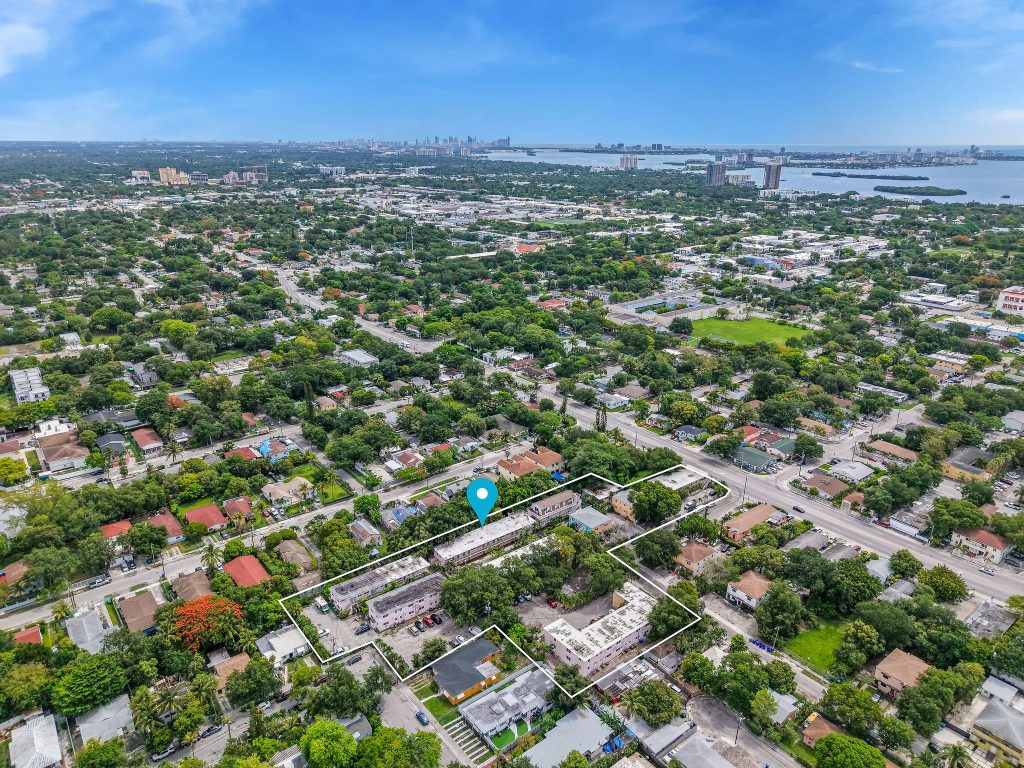
91-Unit Apartment Community | Buena Vista Flats, Miami, FL
Miami, FLFlorida & Gulf Coast
Learn MoreListing Status: Available Price: $18,750,000 No. of Units: 91 Year Built: 1959 Building Size: 42452 Sq ft Lot Size: 2.4 Acres No. of Stories: 3 Zoning Code: T4-R Opportunity Zone: No Price per unit: $206,043 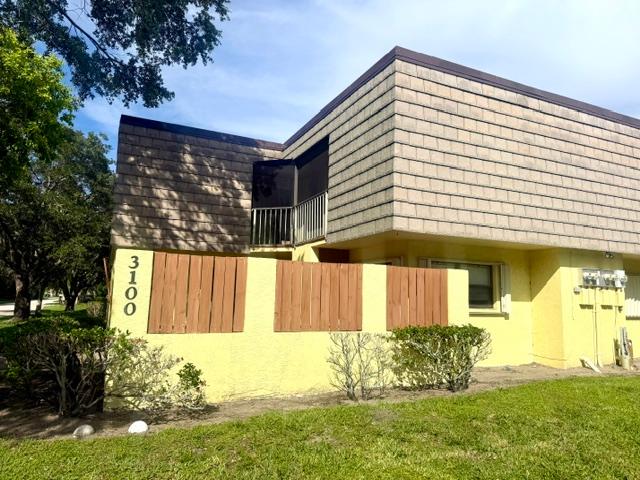
4-Unit Multifamily Property for Sale at 3100-3106 SE Brook St.
Stuart, FLFlorida & Gulf Coast + 2-4 Units
Learn MoreListing Status: Available Listing Type: Highest & best offer Price: $849,000 No. of Units: 4 Year Built: 1982 Opportunity Zone: No Price per unit: $212,250

