



National CRE News In Your Inbox.
Sign up for Connect emails to stay informed with CRE stories that are 150 words or less.

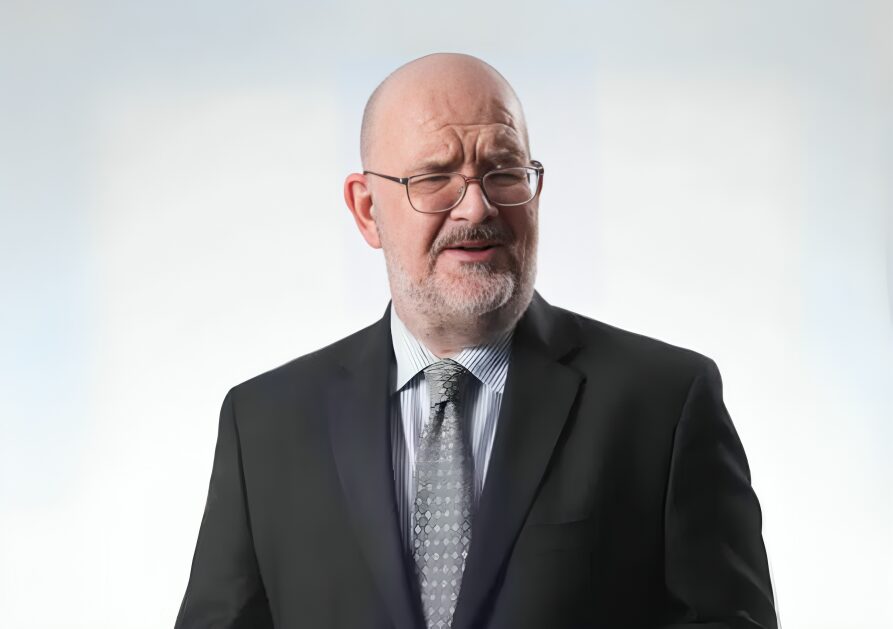
Marcus & Millichap Webcast: Henry M. Paulson Jr. Analyzes the GFC Playbook and Applying It Today
The quick federal response to address the economic downturn that resulted from the COVID-19 pandemic was due in large measure to the playbook established during the previous downturn, Marcus & Millichap CEO Hessam Nadji said on the firm’s Jan. 27 webcast. The man who led the Treasury Department and the development of that playbook, Henry M. Paulson Jr., acknowledged the benefit of having that playbook during the pandemic, yet pointed out one key difference between the two crises.
The 2008 downturn, he noted, began in the financial sector and threatened to spill over into the broader economy. Because the crisis was centered around financial services, Congress was hesitant to act. “They didn’t want to reward the arsonists who started the fire,” he said on the webcast. By contrast, the pandemic ‘hit the real economy very hard” from the outset, making Congressional action easier to justify.
In dealing with the Global Financial Crisis—not the first crisis he’d ever encountered—Paulson learned two key lessons. One was the importance of relationship-building in an atmosphere where you may encounter people who may believe they know more than you.
The other was that while leaders may come with different styles of leadership, “what they all have to have in common is self-awareness and to surround themselves with a team that play to their strengths and compensate for their weaknesses.” Decision-making in a crisis often means deciding before you have all of the information. That leads to a choice between “doing nothing, which is a disaster, and choosing an imperfect alternative. Big, ugly problems don’t have elegant solutions, and a flawed plan beats no plan.”
Those decisions may be subject to change as the facts change, and Paulson said the leader needs to shift gears as well. He did so twice during the GFC: once in acknowledging that having unlimited authority over the GSEs didn’t fully solve their problems and so they had to be brought under conservatorship, and again in realizing that Treasury would have to capitalize the banks after all.
Shifting the conversation from the GFC to the current circumstances faced by the Federal Reserve, Paulson took the view that the Fed’s wind-down of quantitative easing may be more consequential than what it does with the federal funds rate. “When are they going to start selling?” is the question the market should be asking.
Given the rate of inflation—the highest in four decades—Paulson said, “I wouldn’t be surprised if they take some pretty strong action here.” Accordingly, the road ahead could be bumpy. “Hope for a soft landing, but don’t count on it.”
Joining Nadji and Paulson in the conversation were two industry leaders with differing vantage points on the current environment: Robert Hart, founder, CEO and president of TruAmerica Multifamily; and Tom McGee, president and CEO of ICSC, Innovating Commerce Serving Communities. Both offered positive outlooks on their sectors for the year ahead and beyond.
Hart cited robust demand for apartments. In particular, growth in suburban rentals will continue, although there are concerns about how sustainable that growth is in some of the fastest-growing Sunbelt markets.
Meanwhile, cap rates continue compressing in the apartment sector. The days of sub-5% cap rates as an indicator are in the past, as cap rates in the 3% range are becoming the norm. However, Hart said, “Investors are betting on growth.”
In the retail sector, McGee pointed to a “convergence” of digital and physical selling environments. He said it’s time to stop focusing on different channels and instead emphasize “one channel—the consumer channel.”
The pandemic proved to be challenging for a number of brick-and-mortar retailers, and full recovery for the sector is still in the future. However, McGee said that with some $5 trillion in in federal relief helping to buoy consumer spending, he’s ‘fairly optimistic” about the near-term prospects.
Speaking as an investor, Paulson sets great store by commercial real estate. “When I’m looking at constructing a portfolio, I want real estate to be part of it. “ Amid currencies being debased and a proliferation of money being printed, “people are going to want to hold real assets. That means real estate, commodities, maybe even some gold in the portfolio.”
Further, Paulson said, if he weren’t on Zoom as a participant in the webcast, he’d be “furiously taking notes” about the investing insights being presented.
Looking at the various property sectors, Paulson cited some “fairly obvious” trends that have been accelerated by the pandemic. There’s the advent of e-commerce over big-box department stores, for example, and the increasing importance of logistics real estate.
On-demand replays of the webcast are available by clicking here.
- ◦Economy


