



Chicago & Midwest CRE News In Your Inbox.
Sign up for Connect emails to stay informed with CRE stories that are 150 words or less.


Lightfoot Issues 2023 Updates to Allocation Plan for Affordable Housing Development
The Lightfoot administration has issued the 2023 Qualified Allocation Plan (QAP), which determines more than 60% of the City of Chicago’s affordable housing resources. The QAP, which sets the rules for accessing federal Low-Income Housing Tax Credits (LIHTC), has been issued every two years under Mayor Lori Lightfoot, and this year’s edition includes the following additional priorities for developers:
- Dedicated resources for Permanent Supportive Housing, including a minimum 5% set-aside for PSH in all developments.
- Encouraging public transit and Divvy use for transit-served developments.
- Greater broadband infrastructure and connectivity.
- Emphasis on energy efficiency and decarbonization efforts in alignment with City’s Climate Action Plan, Energy Transformation Code and the Building Decarbonization Recommendations Report.
- Bolsters site-specific opportunities in Woodlawn, East Garfield Park, and Pilsen.
- Financial consultant fees no longer must be paid by the developer fee. A capped amount can be included in the Professional Fees budget category. Financial consultants must be unrelated third-party entities.
- For PSH developments, developers are allowed to request a 5% higher developer fee to fund a supportive services escrow to be used for the cost of supportive services to benefit residents.
- For PSH developments, developers are obligated to develop and implement an eviction prevention plan.
- Developers will be expected to follow tenant selection plan guidelines outlined in the LIHTC Affirmative Fair Housing Marketing and Tenant Screening Plan document.
- Developers and general contractors will be expected to hold bid forums and to solicit bids at a minimum with City of Chicago Assist Agencies to open opportunities for BIPOC contractors.
- Construction contingency will be allowed to cover errors and omissions within the AIA Standard of Care of up to 5%.
- Costs associated with the requirement to retain an experienced, independent cost-estimating firm are allowed to be included in the project budget. This third-party firm is ineligible to bid on the project.
- ◦Development
- ◦Policy/Gov't

Apartment buildings for sale
Check out the latest properties available on apartmentbuildings.com
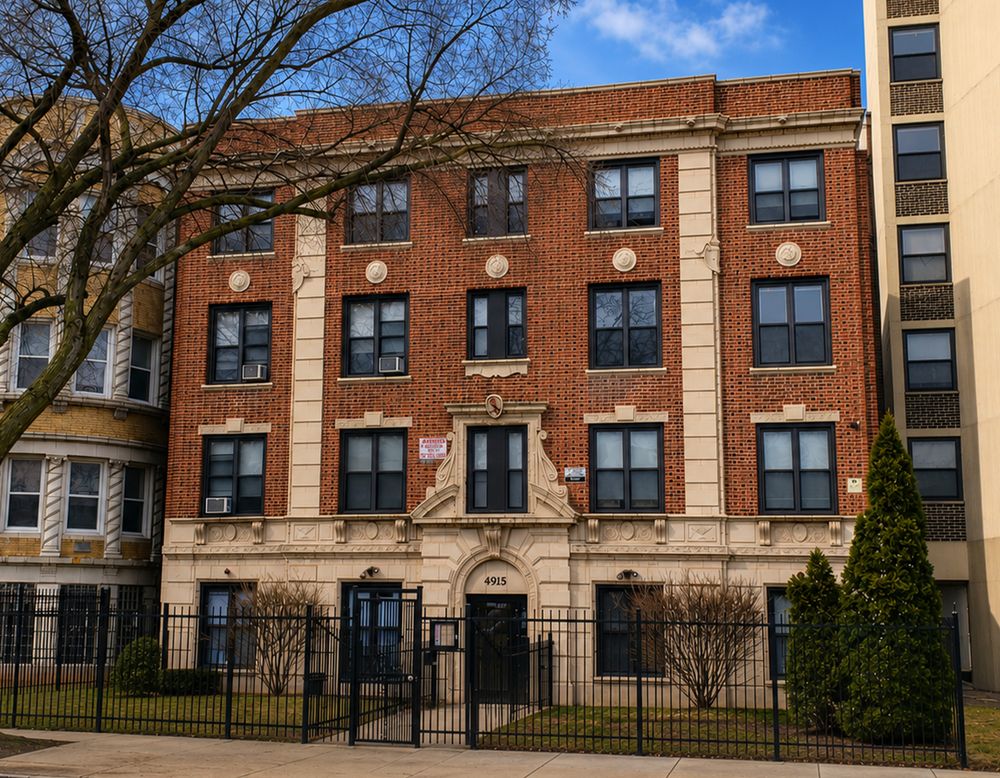
4915 S Drexel Blvd
Chicago, ILChicago & Midwest + Apartment Buildings
Learn MoreListing Status: Available Listing Type: Call for offers Price: $5,300,000 No. of Units: 31 Year Built: 1926 Lot Size: 0.22901744719927 Acres Opportunity Zone: No Price per unit: $170,967 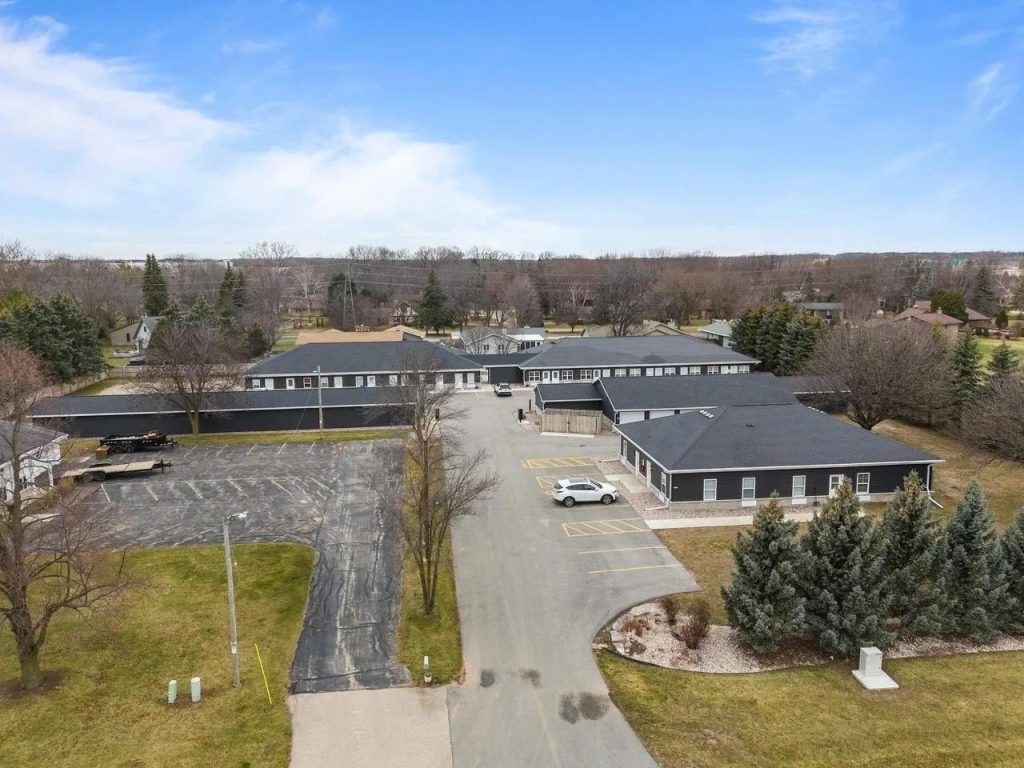
1348 W AMERICAN Drive
NEENAH, WIChicago & Midwest + Apartment Buildings
Learn MoreListing Status: Available Listing Type: Call for offers Price: $3,999,000 No. of Units: 28 Year Built: 2024 Lot Size: 12966 Acres Opportunity Zone: No Price per unit: $142,821

