



National CRE News In Your Inbox.
Sign up for Connect emails to stay informed with CRE stories that are 150 words or less.


Inland Property Management and Leasing Group Takes “360-Degree Approach”
“When you’re presented with a challenge, it actually presents an opportunity,” said Niall Byrne, president of Inland Property Management and Leasing Group, Inc. And although weather events such as the back-to-back Hurricanes Helene and Milton certainly pose hurdles for property management teams, Byrne cited longer-term challenges as motivators for determining how to improve performance at the 328 commercial properties and 21,000 residential units the company manages.
The COVID-19 pandemic, which led to months of isolation and social distancing, represented one such opportunity. Both during the pandemic and coming out of it, “what that really caused us to do was focus on training, recruitment, employee enrichment and in some cases centralization of tasks,” Byrne told Connect CRE. “So it just made us a better operator.”
Fraud, especially on the residential side, is a growing problem—and another opportunity for the IPMLG team. “That’s really challenged us to go out and seek better technology, challenged our teams to be better evaluators of the prospects when they come into the office, and made us a better operator of social media,” said Byrne. The team has stepped up its game on matters ranging from tenant complaints posted on social media to accommodating resident deliveries that may be too large for package lockers.
With approximately 40 properties in Florida, IPMLG certainly has a stake in the outcome of hurricane season. Helene and Milton left the company’s Sunshine State portfolio with generally minimal impact; however, the key is preparing for whatever the seasonal weather brings and mobilizing quickly during and after.
“We’re in constant communication with our tenants and residents,” Byrne said. “We support our properties. Obviously, you can’t control Mother Nature, but we really prepare our properties, we prepare our residents, we prepare our teams for the event.”
Technology is a fundamental element of property management in 2024 and IPMLG makes the most of it. “We embrace and utilize technology wherever we can,” said Byrne. On the residential side, “Each of our sites has a website powered by our software provider. A resident can go in and pay their rent. They can submit a work order. They can apply for renter’s insurance. A prospect that’s looking to rent in one of our locations can go onto our website and take a virtual tour of the apartments.”
After hours, chatbots are available. “If you’re in California and it’s 9:00 at night and you’re looking to rent an apartment in Florida, you’re able to go on to one of our sites and have a discussion with a chatbot, who will then help you make an appointment to meet with one of our leasing assistants,” Byrne explained.
Smart home technology enables residents at many IPMLG properties to control everything from thermostats to door locks. “We also set up a pilot in Arizona where we’re doing self-guided tours,” said Byrne. “On weekends when an apartment community is not open, a person is able to visit a property and receive a code, do a self-guided tour of our models and touch and feel the apartment that they may be interested in.”
Leasing of commercial spaces is generally done in the traditional way: in-person, face to face. “But once a lease is executed, the tenant is able to go online if they choose to pay their rent on an online portal,” Byrne said. “We also arm our property managers with inspection apps. So when they go out to a property and they do their monthly or quarterly tours, they’re able to take notes on an iPad, upload pictures to our system and identify areas that may need some refresh or future capital improvements.”
Property managers are also equipped with apps designed expressly for their requirements, including Facility Manager, Construction Manager and Leasing Manager. “And we’re constantly looking for ways to improve,” said Byrne. “There are a lot of technological tools available, but you also have to vet them because not all of them are as advertised.”
Technology is just one means to an end when it comes to fulfilling the expectations of tenants on both the residential and commercial sides of the IPMLG portfolio. Residents value high-speed internet just as commercial tenants do, but increasingly they also expect amenities focused on their pets. “The people that own pets want dog parks, they want pet wash stations, things like that,” Byrne said. And although tennis courts may not have quite the appeal they once did, pickleball courts are quite popular as far as residents are concerned.
While commercial tenants may not require spaces to walk their dogs or courts to chase a ball around, they do expect amenities. Ample parking is a must, and increasingly, occupants of commercial properties are looking for electric vehicle charging stations.
Another amenity for commercial tenants is community events centered around the properties. “Even though they’re not sleeping at these properties, consumers enjoy visiting the properties and enjoying community events,” said Byrne. “Social media platforms are very important” for getting the word out about these events.
Containing expenses is another priority for IPMLG, and this is an area where the company can rely on both economies of scale and concentration. Having a large concentration of properties in the Phoenix area, for example, helps to control costs. So does maintaining strong partnerships with third-party vendors. “We really try to develop strong vendor partnerships through all lines of expense and get the best cost savings that we can,” Byrne said.
IPMLG is itself a third-party manager of properties not owned by Inland Real Estate Company entities. It’s a capacity the company delves into with the same level of dedication that’s provided to Inland-owned assets.
“In the beginning, we challenge our team to really develop a full understanding of the property, including the staff,” said Byrne. “We inspect it, we walk it, we talk to the teams, we evaluate the teams. And then we really seek to understand the ownership end goal for the property. Are they looking to lease this property up and sell it? Are they looking to do a valuation or are they considering a redevelopment? By learning all of that, we develop an overall plan. Then we demonstrate the Inland value to having us manage that property and execute on that plan.”
Byrne cited the key elements of the Inland value for property owners who bring in IPMLG. “We provide the same services as a as a large operator, but with more of a boutique feel, meaning that when you hire us, you’re hiring me, you’re going to have access to me and my team,” he said. “We take a 360-degree approach to the property and look at it from all angles.”
The IPMLG platform also has the Inland Real Estate Group of Companies’ 55-year track record and breadth of capabilities behind it, from leasing to tax consulting. “Inland is a full-service real estate company, and we offer everything you could find or want in a real estate environment,” Byrne concluded.
- ◦Lease

Apartment buildings for sale
Check out the latest properties available on apartmentbuildings.com
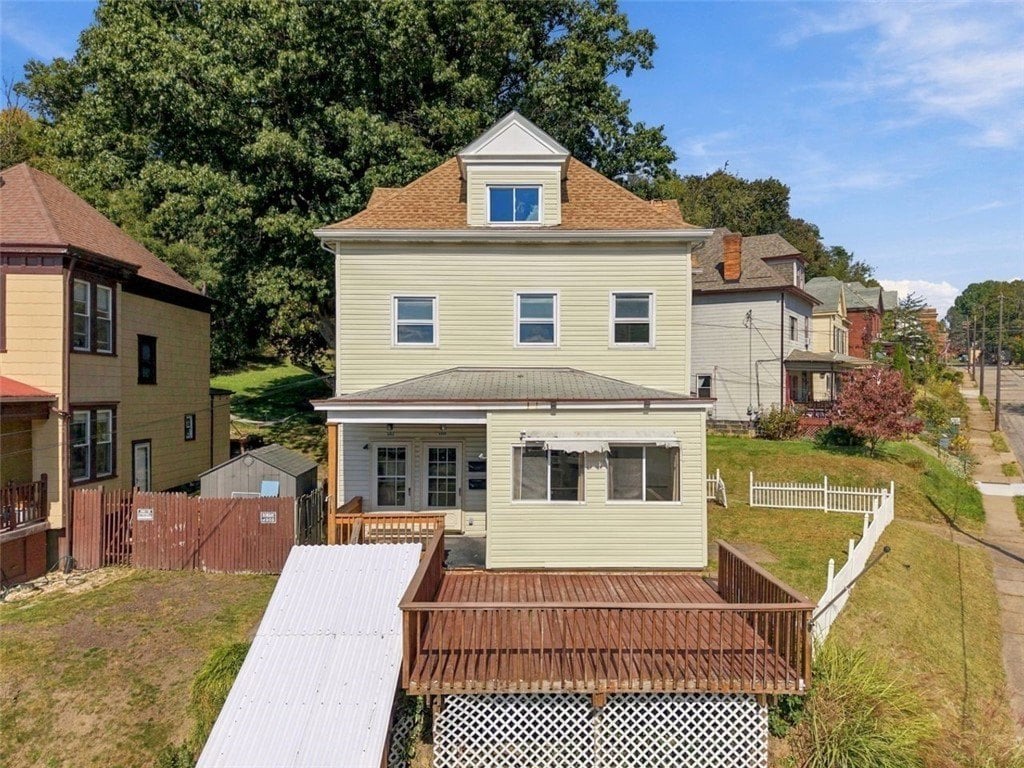
500-502 Tingley Ave
Bellevue, PANew York & Tri-State + 2-4 Units
Learn MoreListing Status: Available Listing Type: Call for offers Price: $235,000 No. of Units: 2 Year Built: 1904 Opportunity Zone: No Price per unit: $117,500 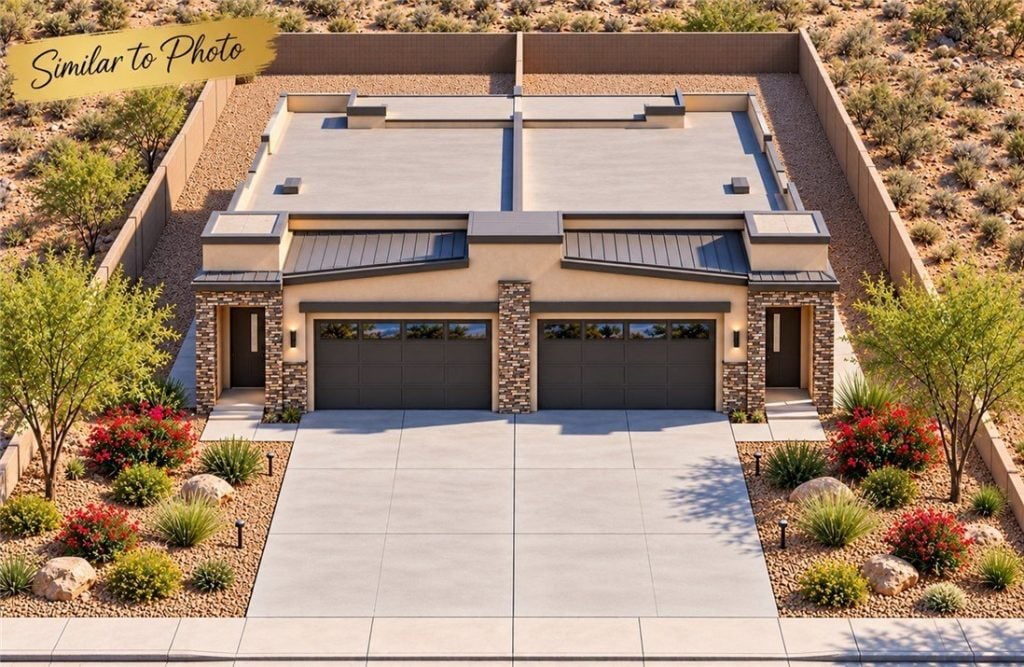
1064 Sheldon Avenue
Kingman, AZPhoenix & Southwest + 2-4 Units
Learn MoreListing Status: Available Listing Type: Call for offers Price: $485,000 No. of Units: 2 Year Built: 2026 Opportunity Zone: No Price per unit: $242,500


