



California CRE News In Your Inbox.
Sign up for Connect emails to stay informed with CRE stories that are 150 words or less.
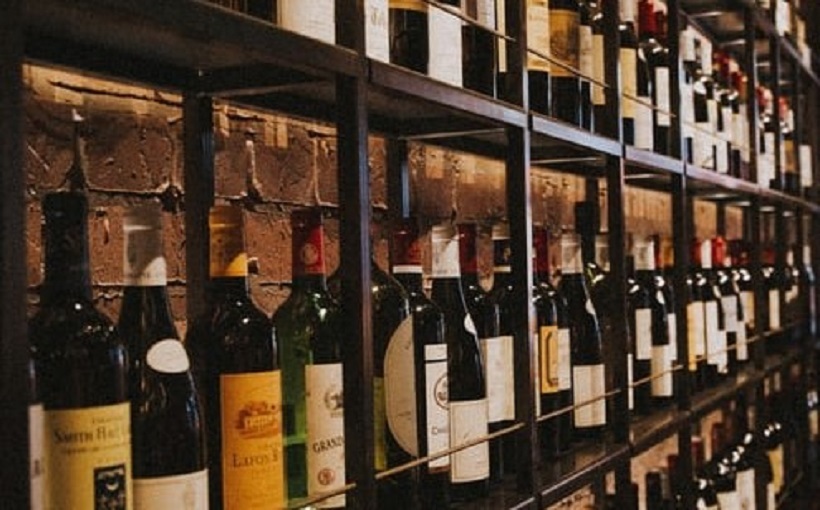

Inaction on California Bottle Deposit Program Equals 160K Cars on the Road
Inattention to California’s bottle deposit program is dramatically growing the state’s carbon footprint, according to analysis by the Container Recycling Institute (CRI). The CRI analysis shows that the state’s low bottle and can recycling rate of traditional deposit and non-deposit beverage containers, a mere 58 percent, means an estimated 13.4 billion bottles and cans were wasted in 2020.
Three quarters of a million tons of greenhouse gases were emitted to replace those bottles and cans with ones made from scratch. That is the equivalent of adding more than 160,000 cars on California’s roads.
California’s deposit program has the third-lowest redemption rate among the 10 U.S. states with bottle bills. If the redemption rate was raised to 90 percent, the rate at which bottles and cans are returned in the most successful deposit states, then California’s existing system could save greenhouse gas emissions equivalent to taking more than 70,000 cars off the roads annually. California’s current system does not include wine and distilled spirits containers.
“Bottle deposit reform is the simplest and easiest way to dramatically reduce California’s carbon footprint, yet it has been the most overlooked,” said Susan Collins, executive director of the Container Recycling Institute. “It’s time for the governor and the legislature to realize the easiest route to help slow climate change is fixing California’s broken bottle deposit system.”
- ◦Policy/Gov't

Apartment buildings for sale
Check out the latest properties available on apartmentbuildings.com
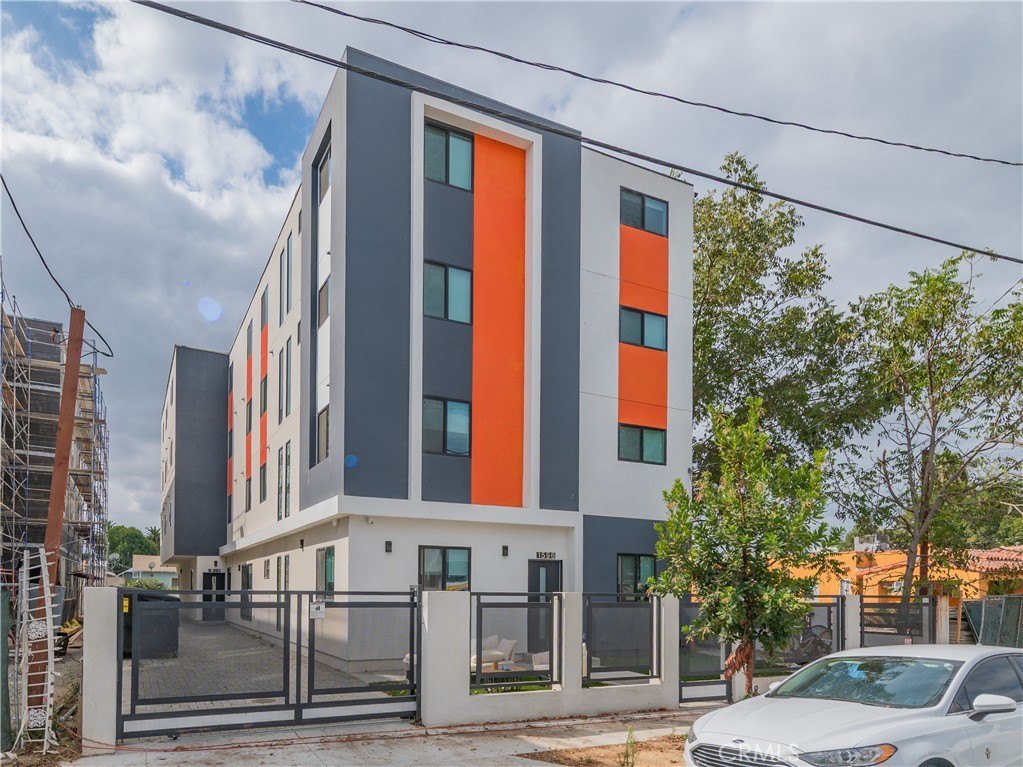
1598 W 36th
Los Angeles, CACalifornia & West + Apartment Buildings
Learn MoreListing Status: Available Listing Type: Call for offers Price: $6,500,000 No. of Units: 45 Year Built: 2025 Opportunity Zone: No Price per unit: $144,444 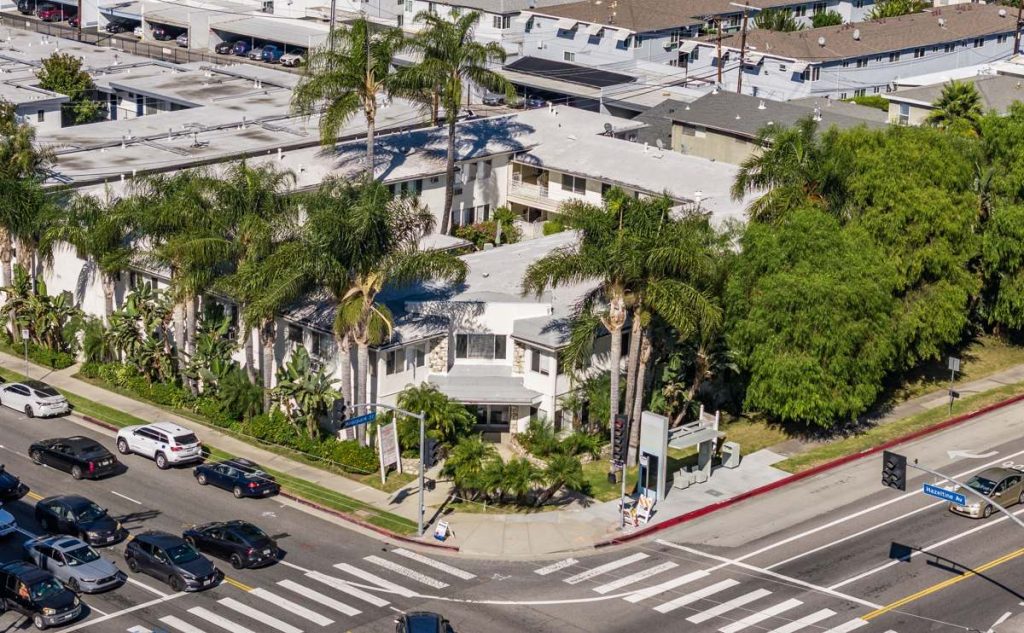
SFR Investment Property Forest Grove OR | 1270 Pacific Ave. 97116
Los Angeles, CACalifornia & West + Apartment Buildings
Learn MoreListing Status: Available Price: $7,490,000 No. of Units: 30 Cap Rate: 5.13 GRM/GIM: 11.39 Year Built: 1956 Building Size: 20182 Sq ft Lot Size: 0.55 Acres Opportunity Zone: No Price per unit: $249,666


