


National CRE News In Your Inbox.
Sign up for Connect emails to stay informed with CRE stories that are 150 words or less.


How to Deliver Certainty in an Uncertain Market
By Dennis Kaiser
Developers face a unique challenge today with their projects. Increased demand for a wide array of commercial and residential projects comes at a time when the country is experiencing historically low unemployment. That perfect storm condition is likely leaving those wanting to bring new projects to market feeling a bit like they’re on unstable ground.
“The market is extremely unpredictable with contractors, subcontractors and the workforce in general,” said Mike Rovner Construction Inc.’s Mike Rovner, a general contractor that’s had success bringing certainty to the mix over the years. “There is a lot of work out there and a lot of choices out there for contractors, so the biggest challenge today is what is it going to cost, and is that cost going to be valid for one or two years down the road.”
Ultimately, developers need to know what the total cost for the construction project will be, and if they will be able to meet the schedule as initially envisioned.
Those goals can be achieved, Rovner said, if this challenge is met with a balanced team-based approach that is built on a strong relationship among contractors, vendors and consultants. “Long-term relationships with contractors is one of the biggest keys in today’s environment to getting projects done on time and within budget without having big overruns,” said Rovner.
He pointed out due to the high demand in today’s market, subcontractors in particular, can almost pick and choose where they go and what jobs they do. Rovner said, “So what we try to do is be the company that pays their subcontractors as fast as possible, and we have been working on that for the last two to three years because subcontractors that are getting paid fast will typically man the job where they get paid the fastest.”
That approach focuses on being proactive with subcontractors and vendors to find ways to achieve their profitability objectives by meeting with them and finding out what they need. “Typically their need is production,” Rovner said. “We have a saying “more production equals more profits”. So we work hard to streamline processes to the benefit of our vendors and our subcontractors, because they will man the jobs that they are profitable on.”
That approach differs from previous environments and philosophies that typically attempted to “strong arm” the subs and the vendors as much as possible. Rovner has found that philosophy does not work because it is very short-sided. “We’ve found taking a look at it from the prospective of trying to make everyone win is the key to winning on your projects today,” said Rovner.
At the top of the list of practical solutions, Rovner suggested, is creating a collaborative environment between consultants, subcontractors and contractors. That starts with getting them all together in a room prior to the project starting, and developing that team environment where everyone is working together for a common goal.
Rovner also suggested conducting as much pre-construction as possible.
“When an owner spends a little seed money on pre-construction, and if you are doing a remodel or renovation, we would say destructive testing, to really get behind walls and find out what is really behind there before you start,” he said. “The more time we put in pre-construction, the more time we really look at the project closer and closer, and sometimes spend up to a year in pre-construction, before a project starts, those are always the jobs that are going to be the most successful.”
To address issues that often come up on a project, Rovner suggested focusing on it as a collaborative relationship between the contractor, the developer and the consultants. “By meeting in person together, face-to-face, we can go over potential strategies in order to get the project done on time and within budget,” he said. “The importance of being in a collaborative teamwork environment can’t be overstated because you may need to ask people to think outside the box to find solutions.”
That approach allows the team to find out how it can best accomplish the task at hand, and look for ways to do things differently than is typically done. “In that environment of collaboration, we have been able to find ways to do things that streamline the process, which has ended up to be very successful for all involved,” Rovner said.
A real-world example of how project challenges were solved by Rovner’s team includes Legacy Partners’ Mariner’s Bay project in Marina del Rey, CA. Mike Rovner Construction started work on the multifamily redevelopment in 2015, and spent a year in pre-construction. A positive relationship was built between the developer and contractor, which helped a difficult, high-profile project in the community navigate through numerous challenges, including regulatory and other reviews. “That relationship Rovner created with Legacy led to exemplary collaboration between us, and ultimately allowed the project to move forward quickly,” said Rovner.
One of the impacts of that teamwork included adjusting the workflow. “During the course of construction, we found out that the original six-month schedule was not feasible and it was taking longer to do each building,” Rovner said. The solution involved Legacy giving Rovner responsibility for multiple buildings at a time. “So, in lieu of receiving 50 to 60 units with each phase, we were given 130 to 181 units, allowing us more time per phase. This enabled us to complete the job within the original 30-month schedule.”
That kind of collaborative environment has proven to deliver greater predictability. It is a formula Mike Rovner Construction deploys to help give developers a firmer foundation with their projects.
For comments, questions or concerns, please contact Dennis Kaiser
- ◦Development

Apartment buildings for sale
Check out the latest properties available on apartmentbuildings.com
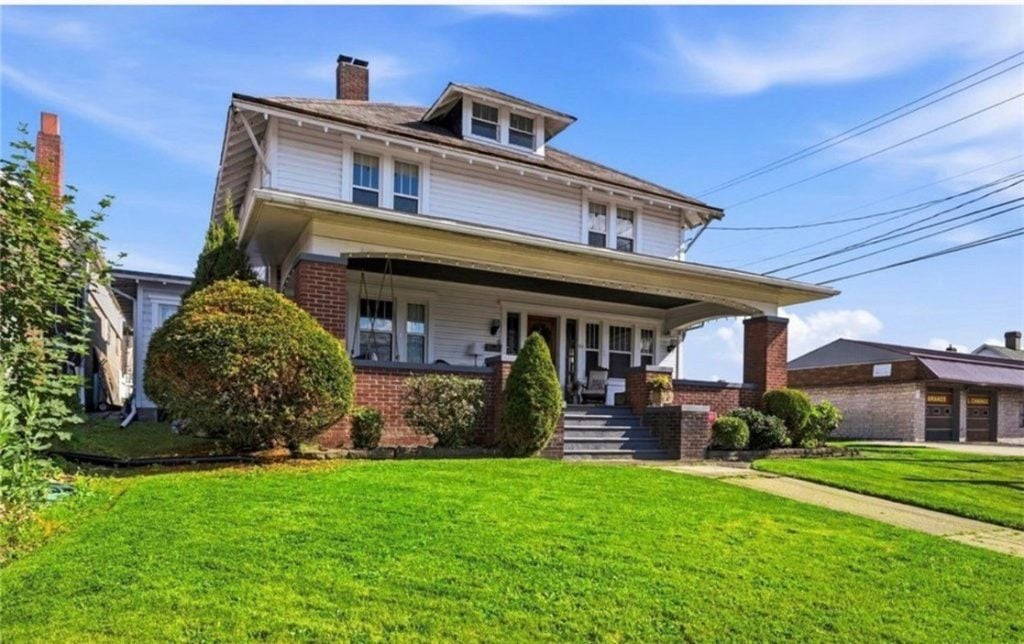
500 Broad Avenue
Belle Vernon, PANew York & Tri-State + Apartment Buildings
Learn MoreListing Status: Available Listing Type: Call for offers Price: $2,000 No. of Units: 1 Year Built: 1903 Opportunity Zone: No Price per unit: $2,000 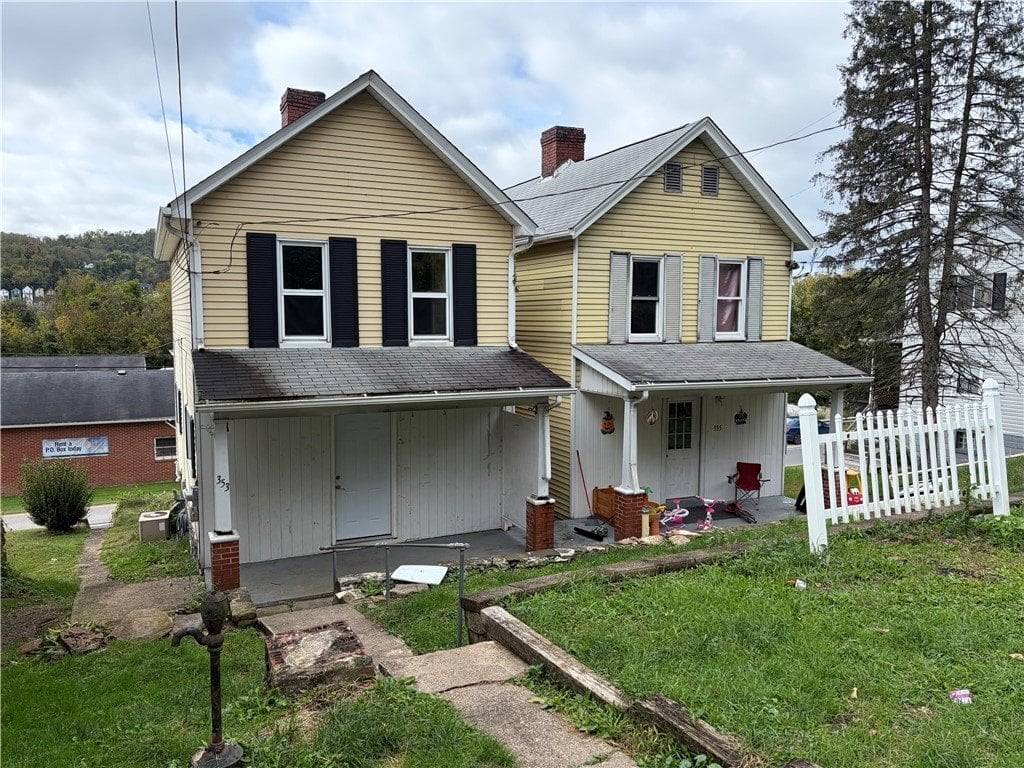
353-355 3rd St
Belle Vernon, PANew York & Tri-State + 2-4 Units
Learn MoreListing Status: Available Listing Type: Call for offers Price: $99,724 No. of Units: 2 Opportunity Zone: No Price per unit: $49,862


