



National CRE News In Your Inbox.
Sign up for Connect emails to stay informed with CRE stories that are 150 words or less.


Holiday Shopping Surge Meets Hampered Supply Chain
On Connect CRE’s recent webinar examining the retail outlook, Anjee Solanki, Colliers’ national director of retail services, expressed concern that supply chain issues could represent the Grinch that stole Christmas even as consumer spending is projected to be way up this year. Over at JLL, James Cook has sounded the same alarm.
“We’re looking at a huge jump in shopper demand this holiday season,” said Cook, JLL’s Americas director of research in retail. “There are fears now that supply issues will mean bare shelves.”
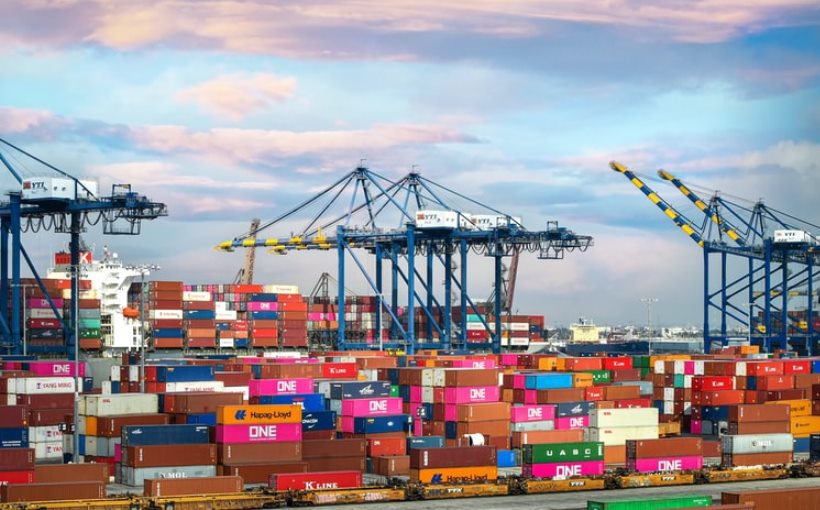
News footage of container-ship traffic jams outside the Port of Los Angeles represents only the most visible manifestation of these issues. Even prior to the pandemic, demand for warehouse space reached record levels and is only intensifying.
“And then there’s the issue of labor,” JLL reports. “Dock workers, truck drivers and even retail clerks are all in short supply. With what is expected to be the busiest quarter since the pandemic began, disruptions could drive industrial rents even higher, and leave retailers scrambling.”
While the situation may not reach the definition of a “perfect storm”— i.e. that weather conditions related to the storm couldn’t possibly be worse—another meteorological metaphor comes to mind: when it rains, it pours.
Although logistics real estate inventory has grown substantially across the U.S., in many markets, there isn’t much more land on which to build new product. U.S. vacancy has reached an all-time low at 4.3%, according to Mehtab Randhawa, senior director, industrial research, JLL. The result has been a scramble to build more, and in the meantime, dramatic increases in rents.
At the store level, assuming that truckers are available to move the goods from the warehouses, “it has been an in-store issue to get store associates because of the competition from big box warehouses,” said Cook. “Warehouses pay wages typically higher than in store associate jobs.”
Big-box retailers of all stripes are better positioned to absorb the shock of supply chain issues that result in these product shortages at the worst possible time. Some of them, including Target, have charted their own cargo ships and stockpiled goods ahead of the holidays, creating additional demand for warehousing.
Separately, JLL reports that the supply chain backlog has focused attention on a niche asset class. Although truck terminals have been around for more than 70 years, they’re now receiving increased occupier and investor attention because of their critical role in the movement of goods amidst supply chain backlogs.
Truck terminals were once primarily the domain of LTL (less-than-truckload) operators, but JLL says the growth of e-commerce and the need for more forward-deployed inventory to meet increased customer service expectations are driving increased occupier demand for the space.
- ◦Development
- ◦Economy


