



National CRE News In Your Inbox.
Sign up for Connect emails to stay informed with CRE stories that are 150 words or less.
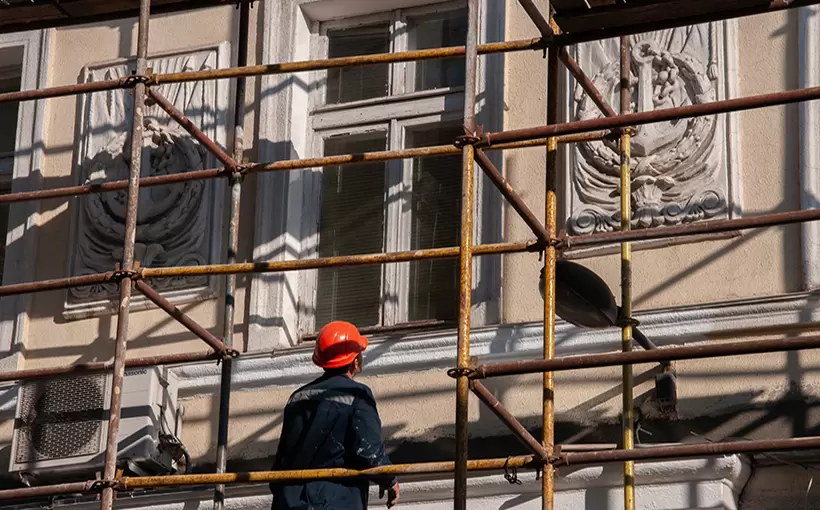

Historic Buildings: Large on Charm, Low on Sustainability
Historic buildings in a city’s center offer charm, nostalgia and character. Regulation and conservation groups work hard to ensure those buildings remain standing rather than being torn down for more “modern” structures.
But according to a recent JLL article, preservation initiatives and legislation are consistently getting in the way of the commercial real estate industry’s efforts to decarbonize. Or, as the article put it: “Retrofitting could improve the carbon footprint of historic buildings by over 60%, yet regulations to preserve heritage can complicate sustainability interventions.”
In many worldwide regions, older buildings have restrictions preventing too much alteration of materials, façades or structures. Meanwhile, others are in areas that might prevent external additions, like rooftop solar panels.
Part of the problem is that the techniques and materials used to boost energy efficiency can negatively impact an older building’s structural integrity. One example the article uses is the traditionally solid walls in an older building. Installing insulation to promote energy efficiency could compromise that structure’s aesthetics.
Additionally, “with historic buildings, it can be harder to get approval for deeper interventions such as onsite renewables, heat pumps, and changes to the building’s fabric,” said Kirsty Draper, Head of Sustainability for UK Agency at JLL, in the article.
What is the solution? The JLL article suggests some ideas:
Embarking on phased retrofits. If retrofits involve particularly large structures, they might need to be accomplished in separate installments. One example is the Empire State Building in New York City, which required more than a decade of renovations. These included installing new elevators and retrofitting more than 6,000 windows. Today, the building is a prime example of a sustainable, historic building.
Involving specialists. Calling in fit-out teams that have experience with historic buildings can help work through the complexities involved with rehabbing heritage structures. The problem, however, is that a limited number of people have these skills. Capital Economics indicated that about 100,000 people work on the UK’s historic buildings, about half of what’s needed.
Providing non-interfering solutions. The article explained that retrofitting efforts encompass modern methods where relevant. For instance, “radiant floors using water pipes for heating can be installed without altering original floorboards,” the article said. Additionally, cross-laminated timber offers durability and structural authenticity when it comes to floor restoration.
Balance is needed when it comes to improving the sustainability of heritage buildings. As such, “Real estate needs to unlock more retrofit opportunities,” Draper said. “Environmental, social and economic growth needs to be considered when assessing these opportunities to ensure iconic buildings remain integrated in communities for generations to come.”
- ◦Development


