



California CRE News In Your Inbox.
Sign up for Connect emails to stay informed with CRE stories that are 150 words or less.


Here’s How a Threat to California’s Multifamily Sector is Shaping Up
By Dennis Kaiser
The nearly 400 attendees at Connect Apartments this week heard a special presentation from two of the key California multifamily industry proponents leading the fight against repeal of the 1995 Costa-Hawkins Rental Housing Act. California Apartment Association’s Tom Bannon and Essex’s John Eudy provided an overview of the issue, and how it will affect the apartment industry, if passed.
The looming threat to multifamily property owners in California is gaining clearer focus. This controversial rent control initiative secured enough valid signatures, and was expected to be certified this week allowing it to be placed it on the California ballot in November. If approved by voters, it would repeal a 23-year-old state law that sets tight limits on all forms of rent control across California.
The Costa-Hawkins law gave landlords more control in setting rents, and the new law will shift power into the jurisdiction of cities and counties to change or set more restrictive policies. Bannon says, “when Costa-Hawkins was passed in 1995, it set the tone for the multifamily rental sector in California, but it is not a God-given right.” He predicts, if repealed, there will be “big changes.” Likely hard hits will be felt by the small “mom and pop” owners, which control 95% of the state’s apartment stock. (Just 5% is owned by bigger institutional investors.)
Analysis by California’s Legislative Analyst’s Office found that a repeal would likely lead to more rent control, lower rents and increased stability for tenants. Currently, 15 California cities have some form of rent control. But repealing Costa-Hawkins will bring some significant economic impacts to the state. Analysts say it could add up to $100’s of millions in cost to the state, not to mention how consumers will be affected.
Bannon notes, it could result in a decline in new rental construction, property owners could remove units from the market, and the value of housing could fall, which could lead to a decline in property taxes causing a drop in money for schools.
“Those looking for housing will pay when there aren’t options,” says Eudy, who also notes it will likely lead to less maintained assets too, since owners won’t keep them up as well.
Supporters of the initiative say stronger tenant protections will help alleviate the state’s housing crisis. They predict that more affordable housing would help those in low-income and moderate-income earning categories afford to stay in California.
Essex’s Eudy confirmed the threat of Costa-Hawkins to apartment owners is real, and says it would be wise for those in the multifamily industry to gain an understanding of what it is, and get educated about how it will affect production and investment in the state. “We need to fight it, and get educated about this existential threat to the multifamily industry,” Eudy says.
The fight is also shaping up to be an expensive one, too. Bannon notes the initiative’s supporters have deep pockets, with one key supporter committed to contribute $20 million to help pass the repeal. The apartment side has received significant financial support, but is seeking $30 million more to beat the challenge.
The apartment industry has been organized around a campaign to inform and educate the CRE industry, and will be turning its attention to voters this summer, now that the initiative qualified for the ballot.
Eudy notes once the repeal is pushed back, it will be time for the industry to work with the state, agencies and communities to find ways to produce low-end housing. Eudy says, “Afterwards, well discuss with the legislature how to fix things, but we need to put to bed the issue for the long haul now.”
For comments, questions or concerns, please contact Dennis Kaiser
- ◦Economy

Apartment buildings for sale
Check out the latest properties available on apartmentbuildings.com
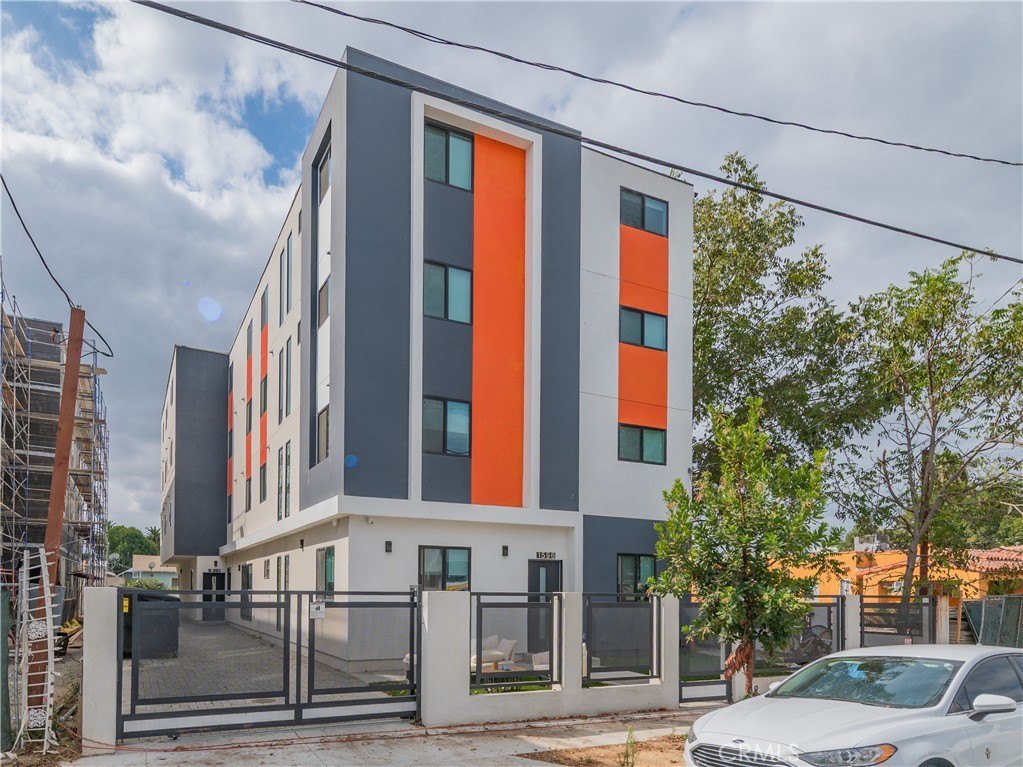
1598 W 36th
Los Angeles, CACalifornia & West + Apartment Buildings
Learn MoreListing Status: Available Listing Type: Call for offers Price: $6,500,000 No. of Units: 45 Year Built: 2025 Opportunity Zone: No Price per unit: $144,444 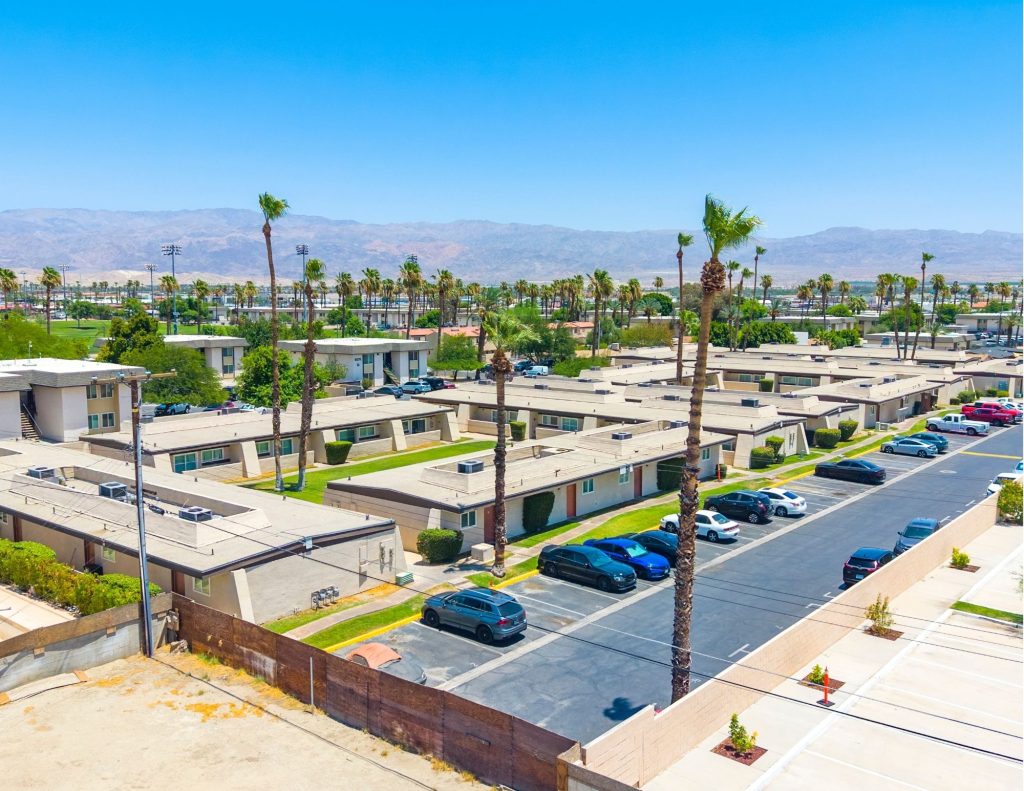
Casa Serena Apartments | Multifamily Property in Indio, CA
Indio, CACalifornia & West + Apartment Buildings
Learn MoreListing Status: Available Price: $8,400,000 No. of Units: 51 Cap Rate: 6.61 GRM/GIM: 9.13 Year Built: 1982 Building Size: 29376 Sq ft Lot Size: 106286 Acres No. of Stories: 1 APN: 612-064-001 to 612-064-052 Opportunity Zone: No Price per unit: $164,705


