



National CRE News In Your Inbox.
Sign up for Connect emails to stay informed with CRE stories that are 150 words or less.
Hear from the Experts at Transwestern Capital Markets Symposium
Even as the pandemic recedes in the rear-view mirror, 2022 has brought its own set of challenges to commercial real estate investment. For market participants seeking guidance on navigating through these challenges, it’s always instructive to glean insights from veteran institutional investors. That’s what Transwestern will be providing with its 15th Annual Transwestern Capital Markets Symposium on Wednesday, June 15 in Chicago.
Moderating the discussion will be Steve Pumper, executive managing partner of Transwestern’s Capital Markets and Asset Strategies Group. Confirmed speakers include Tuba Malinowski of Stockbridge Capital Group, Craig Tagen of Clarion Partners, Tim Ellsworth of DWS, Gio Cordoves of KBS, Paul Ketterer of AEW Capital Management and Jim Halliwell of Principal Real Estate Investors.
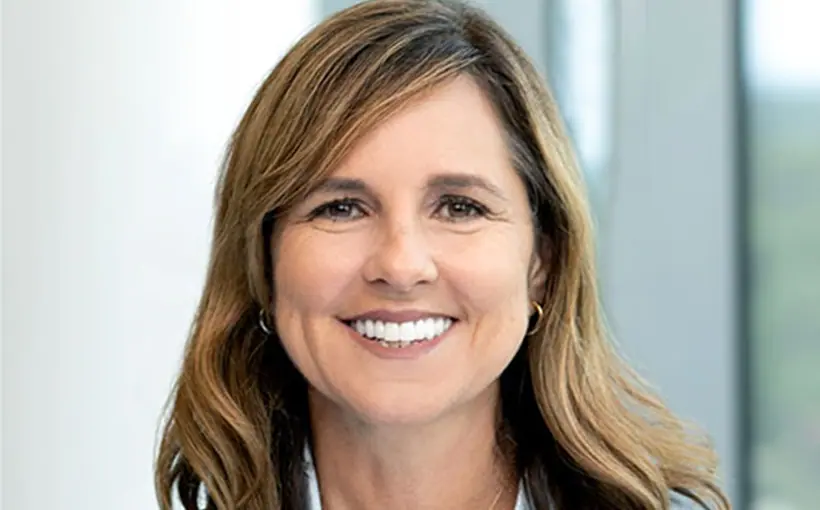
Connect CRE will be providing post-event coverage of the symposium. To provide a sample of the insights that the conversation will yield, we sounded out the panelists for their observations on current market conditions. Below are responses from Tuba Malinowski, head of portfolio strategy at Stockbridge.
Q: 2022 has seen its share of surprises year-to-date, from stock market gyrations to the Russian invasion of Ukraine. Have these affected your investment outlook, and if so, how?
A: Yes, soaring inflation and the Fed interest rate hikes have affected our investment outlook. We have started considering the possibility of a recession in our underwriting. Prior to the surge in inflation, the consumer was healthy and real estate fundamentals reflected that consumer and business strength. Today, we are adjusting our underwriting to assume a 50% chance of recession. The combination of interest rate increases and concern for inflation have led us to increase our exit cap rates and adjust pricing for some property types down 3% to 8%.
Q: Is your investment strategy a continuation of 2021, or have you been seeking out newly discovered opportunities?
A: In 2022, our acquisitions have been a combination of new opportunities and a continuation of the strategy. We remain bullish on multifamily and industrial in specific markets. The increase in interest rates should afford us more opportunities as an all-cash buyer. Recently, we have seen debt-driven buyers dropping out of the buying pools allowing us to purchase at higher cap rates than six months ago. We think there are going to be opportunities and see ourselves as relative opportunity buyers. The current market disruptions create a lot of opportunity.
Q: What are the key elements of your investment thesis for 2022?
A: Across the country we buy and develop industrial. We prefer the Southeast markets because of their high growth and performance over the past few years. Particularly, the Southeast markets with a lower relative cost of living and which were more “open” during the COVID pandemic have attracted individuals who can work from anywhere and companies that seek a business-friendly environment. Additionally, we have a large presence in industrial in the Inland Empire of Southern California and continue to be both active in developing and buying in that market.
Due to the crisis in affordable housing across the U.S., we have pivoted toward affordable housing in our multifamily property type. The vast majority of new apartments are unaffordable, and we have started both developing and buying this product.
Currently for retail, we like grocery-anchored centers. In what many would consider a contrarian play, we recently acquired a large portfolio of grocery-anchored centers across the Southeast. These centers have always been seen as defensive property type, but during the COVID pandemic they were shunned with the rest of retail. Centers with a strong anchor grocer were proven to be pandemic resistant and have performed well over the last couple of years. We have seen them as a valuable income component of our strategy as they have higher cap rates than multifamily and industrial properties.
Q: As far as your acquisition activity is concerned, are the Fed’s actions on rates likely to impact the cost of capital to a meaningful degree by the end of this year and going into 2023?
A: We believe it will and are already seeing an impact. In talking with our brokers there is somewhere between a 3% to 5% price adjustment in most property types. We are seeing an over-5% price adjustment in long-term, credit leased properties. Frankly, we think there might be some good buying opportunities.
- ◦Sale/Acquisition


