



California CRE News In Your Inbox.
Sign up for Connect emails to stay informed with CRE stories that are 150 words or less.
Financing Expert Shares Impact of Tariffs and CRE Investment
By Dennis Kaiser
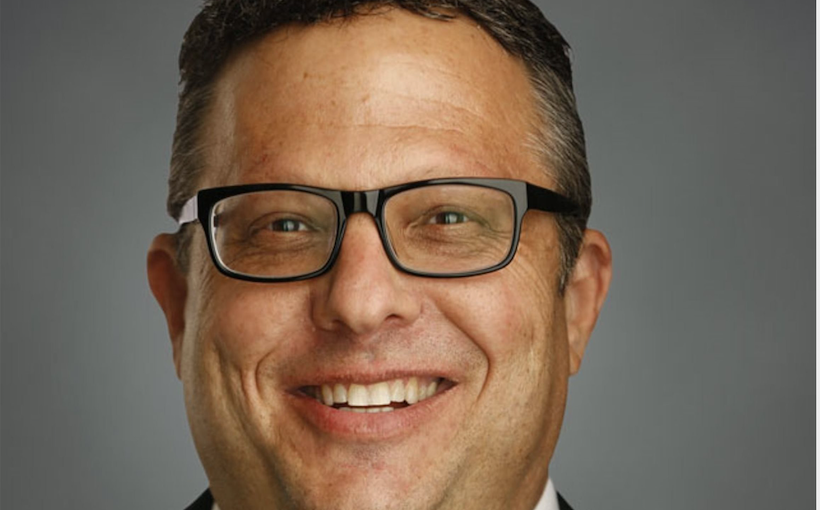
The recent trade war with China comes with a host of complex and perplexing implications for industries across the U.S. While much is still to be worked out, tariffs ultimately impact real estate. Connect Media asked George Smith Partners’ Bryan Shaffer to share a few insights on tariffs and construction from an investors’ perspective. Check out our latest 3 CRE Q&A to find out what the biggest concerns are, what they will mean for construction costs, and what may be around the corner.
Q: What are the biggest concerns for investors regarding the rising trade war tensions with China?
A: Most investors are mainly concerned about how the trade war impacts the U.S. economy. The impact varies among different economic groups, whether you’re a farmer, a retailer, or a real estate investor. As for the general economy, everyone is looking at whether this trade war will push us into a recession, and it’s probably too early to say whether or not this will happen. The conflict has been good in the short term, at least, in that it’s caused the Fed to pull back. They recognize that the U.S. economy could slow because of the trade issues, and this is stopping them from raising interest rates. We’ve seen a fairly stable 30-day LIBOR, but 10-year treasuries have dropped significantly. If the United States attains what it wants from China, it will help real estate, but if both sides refuse to move or take too long to move, it will hurt the U.S. economy and move us into a recession. This would have a negative effect on the real estate industry, and likely not benefit anyone. For the short term, the trade war has been good for real estate because it’s driven down interest rates, which makes borrowing on properties more favorable.
Q: Will recent tariffs have a significant impact on construction costs?
A: Yes. We’ve seen a huge increase in construction costs across the board in the U.S., and as tariffs rise there will be even more upward pressure on construction costs. This will impact whether or not projects get built—if they pencil, generating enough cash flow to compensate for the increased costs, they will get completed. The rise in costs for materials like drywall is partially due to fear of the unknown. Since people don’t know what the costs are going to be, they mark up the prices now to ensure some level of protection in the future.
Q: Do you expect to see more tariffs in the near future? If so, what are some ways investors are preparing for and/or combating this?
A: It’s difficult to predict what will happen since we don’t know what action the president is going to take from day to day, but the media is reporting that no resolution is in sight, which is concerning. If things go well, it will be beneficial, but if we push too hard, we might not like the final result.
We have seen developer clients hedge some of their construction costs by choosing options or advance purchases of materials. They protect themselves by buying materials in advance for a certain price, and that way they’re not subject to a worsening market. We’re also seeing a lot of people rush into the financing market to lock in rates while they are low.
At the end of last year, everybody was worried about 3-3.5% Treasury yields, but now we’re looking at 2% Treasury yields, which is a long way from where we were last year. It’s hard to predict the next step.
It’s important for investors to realize rates are down because of risk to both the U.S. and global economies, and the president’s actions could lead to economic decline. The administration is not looking at the situation from a long-term perspective, so the current lower rates that the industry is thankful for may be a warning sign of long-term economic pain. Overall, having lenders who are actively deploying capital is more important to real estate than construction cost or rates.
For comments, questions or concerns, please contact Dennis Kaiser
- ◦Financing


